Bare-Board PCB Manufacturing
Low-Volume PCB Fabrication for Pilot Runs & Small Batch Production
Move beyond your first prototypes with bare PCBs for pilot runs, pre-production builds, and repeat small-batch orders. Send PCBELEC your fabrication files, target quantity, and delivery requirements to discuss your next production run.
- Pilot Runs
- Small Batch Production
- Repeat Low-Volume Orders
For your inquiry: fabrication files, board specifications, order quantity, and required delivery date.
Still refining your design? Explore our PCB prototyping services.
From Prototypes to Small Batch Orders
What Is Low-Volume PCB Fabrication?
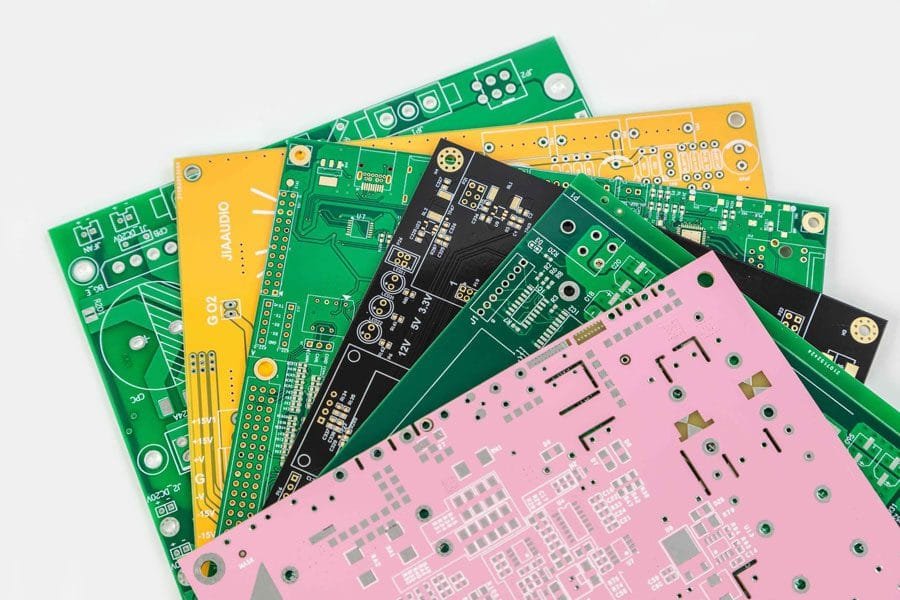
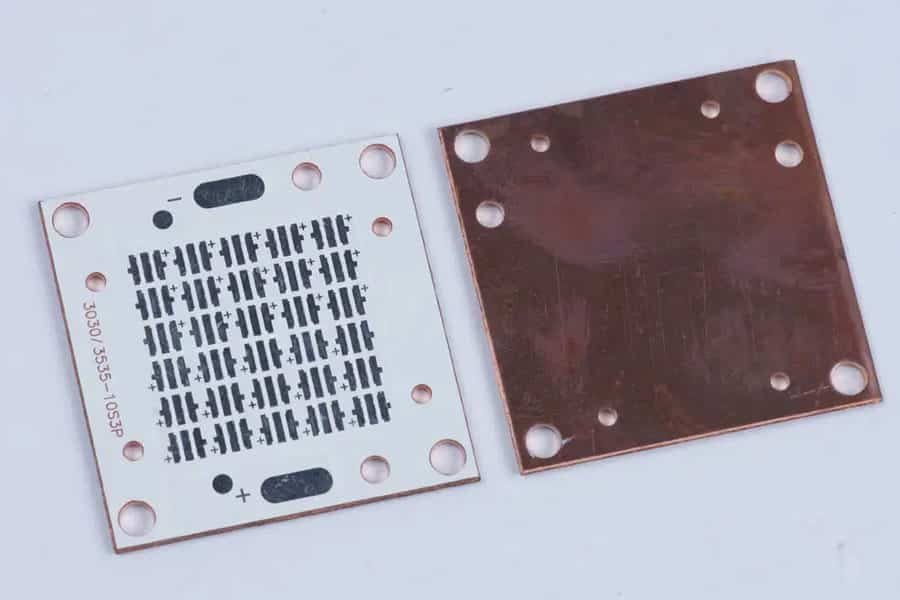
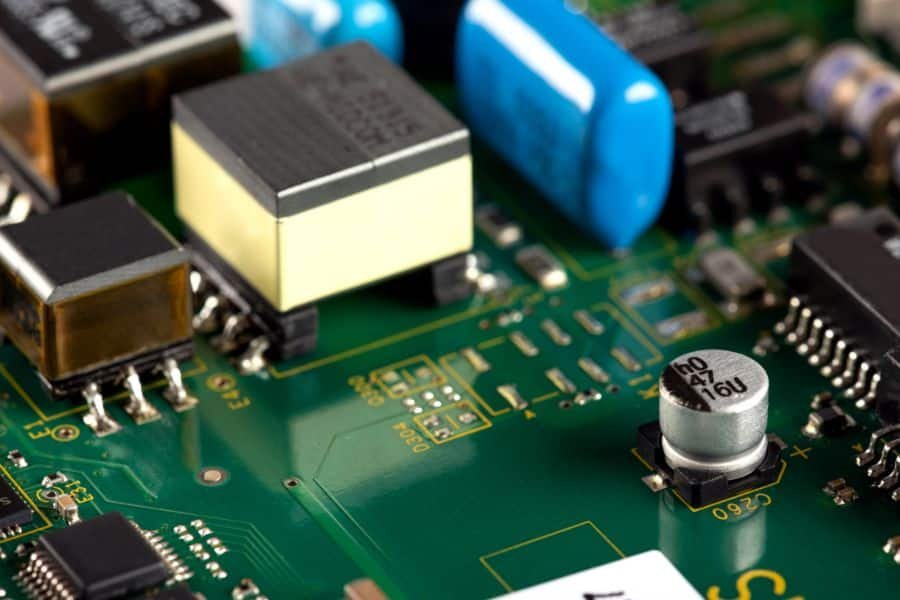
Low-volume PCB fabrication is the manufacture of a limited batch of bare printed circuit boards, without mounted electronic components. It serves projects that need more than initial prototypes but do not require a large production order, as well as products supplied in recurring small batches.
Small batch describes the order size; a pilot run describes its purpose. A pilot run may use a small batch to evaluate fabrication requirements and manufacturing readiness before larger orders. Low-volume production can also continue as a long-term supply approach for products with limited demand.
There is no single quantity threshold that fits every PCB project. Board size, layer count, PCB materials, and fabrication requirements all influence how a small batch is planned and quoted.
For projects moving toward volume PCB production, use the low-volume stage to confirm the fabrication specification and document any changes needed for future orders.
Service scope: this page covers bare-board PCB fabrication. Component sourcing, component mounting, and assembled-board functional testing are not included in this service.
Choose the Right Production Stage
PCB Prototype vs. Pilot Run vs. Low-Volume Production
PCB prototyping, pilot runs, and low-volume production solve different problems. Understanding the difference helps you request the right bare-board fabrication service at the right stage.
| Stage | Typical Quantity | Primary Purpose | What Is Verified | PCBELEC Focus |
|---|---|---|---|---|
| PCB Prototype Design validation stage | 1–10 pcs | Build initial boards to test a new circuit design and support engineering iteration. | Design functionality Circuit layout, connectivity, dimensions, and basic fabrication requirements. | Quick-turn bare-board fabrication for engineering evaluation and design revisions. |
| Pilot Run Pre-production validation stage | 10–100 pcs | Manufacture a controlled first batch before committing to larger production quantities. | Manufacturing readiness Material selection, fabrication consistency, yield, and production documentation. | Pilot-run PCB fabrication with a clear fabrication specification and quality-control requirements. |
| Low-Volume Production Small batch supply stage | 50–1,000+ pcs | Supply repeatable small batches for early market demand, specialized products, or ongoing customer requirements. | Repeatable supply Consistent board quality, stable specifications, and reliable delivery across repeat orders. | Small-batch bare-board fabrication with support for repeat orders and production planning. |
These quantity ranges are typical planning references, not fixed industry standards. The most suitable stage depends on your board complexity, target market, certification needs, and production plan. If your project is still at the design-validation stage, start with PCB prototyping services. For larger recurring orders, review our PCB mass production services. Material selection should also be confirmed early, using our PCB materials resources.
Reduce Risk Before Larger Orders
Why Low-Volume PCB Fabrication Matters
Low-volume fabrication gives engineering and purchasing teams a controlled way to move from validated prototypes to repeatable bare-board supply without immediately committing to a large production order.
Validate Fabrication Readiness
A pilot run helps confirm that the chosen materials, stackup, surface finish, and fabrication requirements can be produced consistently before a larger order is placed.
Match Real Market Demand
Small batch production supports early customer deliveries, field trials, and market evaluation while avoiding excess inventory for products with uncertain demand.
Support Certification Builds
Certification, compliance, and customer-evaluation projects often require a defined batch of bare boards produced to a documented specification.
Manage Engineering Changes
When a design is revised, low-volume fabrication allows you to produce updated boards without replacing an entire large-volume inventory.
Bridge Prototype to Production
Low-volume orders create a practical transition between initial prototypes and larger production runs, especially for complex multilayer or specialized PCB projects.
Supply Niche Products
Some products do not require mass production. Low-volume fabrication can support specialized equipment, industrial systems, and products with limited but recurring demand.
Planning a Pilot Run or Small Batch PCB Order?
Send PCBELEC your fabrication files, board specification, quantity, and required delivery date. Our team will review your requirements and provide a low-volume PCB fabrication quotation.
Request a Low-Volume PCB QuotePrototype & Small Batch Process Limits
Low-Volume PCB Fabrication Capabilities
Compare prototype and small-batch fabrication parameters before releasing your next build. The values below are selected process references; applicability depends on the material, stackup, copper specification, surface finish, and approved fabrication data.
The process categories below are based on delivery area: prototype builds below 1 m² and small-to-medium batches at or above 1 m². These categories are not defined by board count alone. Confirm the applicable category and all special requirements during quotation.
Board Construction & General Tolerances
Scroll horizontally to compare both categories →
| Parameter | Prototype: Delivery Area <1 m² | Small / Medium Batch: Delivery Area ≥1 m² |
|---|---|---|
| Layer Count | 1–30 layers; more than 30 requires engineering review. | 1–30 layers; more than 30 requires engineering review. |
| Board Thickness | 0.1–8.0 mm Below 0.2 mm or above 6.5 mm requires review. | 0.3–5.0 mm |
| Minimum Finished Board Size | 3 × 3 mm; smaller dimensions require review. | 5 × 5 mm |
| Maximum Finished Copper | Outer: 8 oz; inner: 6 oz. Higher copper weights require review. | Outer: 8 oz; inner: 6 oz. Higher copper weights require review. |
| Minimum Finished Copper | 0.5 oz | 0.5 oz |
| HDI Laser Build-Up Levels | 1–5 levels; 6 or more requires review. | 1–3 levels |
| Layer-to-Layer Registration | ≤3 mil | ≤3 mil |
| Standard Board Thickness Tolerance | ≤1.0 mm: ±0.1 mm >1.0 mm: ±10% | ≤1.0 mm: ±0.1 mm >1.0 mm: ±10% |
| Controlled Impedance Tolerance |
Below 50 Ω: ±5 Ω At or above 50 Ω: ±10% ±8% at or above 50 Ω requires review. |
Below 50 Ω: ±5 Ω At or above 50 Ω: ±10% ±8% at or above 50 Ω requires review. |
| Standard Bow & Twist | 0.75%; a tighter 0.5% requirement needs review. | 0.75% |
Material and stackup selection should be confirmed separately. Explore our PCB materials and controlled impedance PCB resources.
Minimum Trace Width / Spacing by Copper Specification
Scroll horizontally to compare both categories →
| Layer & Listed Copper Thickness | Prototype Width / Spacing | Small / Medium Batch Width / Spacing |
|---|---|---|
| Inner: 18 µm (0.5 oz) | 2 / 2 mil | 3 / 3 mil |
| Inner: 35 µm (1 oz) | 3 / 3 mil | 3 / 3 mil |
| Inner: 70 µm (2 oz) | 5 / 5 mil or 4 / 5 mil | 5 / 5 mil |
| Inner: 105 µm (3 oz) | 6.5 / 6.5 mil | 6.5 / 6.5 mil |
| Inner: 140 µm (4 oz) | 8 / 8 mil | 8 / 8 mil |
| Inner: 175 µm (5 oz) | 10 / 10 mil | 10 / 10 mil |
| Inner: 210 µm (6 oz) | 12 / 12 mil | 12 / 12 mil |
| Outer: 12 µm (approx. 1/3 oz) | 2 / 2 mil | 2.5 / 2.5 mil |
| Outer: 18 µm (0.5 oz) | 3 / 3 mil | 3 / 3 mil |
| Outer: 35 µm (1 oz) | 5 / 5 mil | 5 / 5 mil |
| Outer: 70 µm (2 oz) | 8 / 8 mil | 9 / 9 mil |
| Outer: 105 µm (3 oz) | 10 / 10 mil | 10 / 10 mil |
| Outer: 140 µm (4 oz) | 10 / 13 mil | 13 / 13 mil |
| Outer: 175 µm (5 oz) | 12 / 15 mil | 14 / 14 mil |
Width / spacing values are paired requirements, not one universal minimum for every copper weight. Confirm the copper basis and finished copper requirement during engineering review. See our PCB copper thickness capabilities.
Drilling, Vias & Hole Tolerances
Scroll horizontally to compare both categories →
| Parameter | Prototype | Small / Medium Batch |
|---|---|---|
| Mechanical Drill Tool Diameter Range | 0.15–6.3 mm | 0.15–6.3 mm |
| Small Drill / Board Thickness Conditions | 0.15 mm: board ≤1.6 mm 0.20 mm: board ≤2.4 mm | 0.15 mm: board ≤1.4 mm 0.20 mm: board ≤2.0 mm |
| Board Thickness / Hole Diameter Ratio | Up to 20:1; above 12:1 requires process review. | 10:1 listed limit; exceptions require separate confirmation. |
| Hole Position Tolerance vs. CAD | ±3 mil | ±3 mil |
| PTH Diameter Tolerance | ±2 mil | ±3 mil |
| Press-Fit Hole Diameter Tolerance | ±2 mil | ±2 mil |
| NPTH Diameter Tolerance | ±2 mil; unilateral +2/−0 or +0/−2 mil also listed. | ±2 mil |
| Minimum Laser Hole Diameter | Standard: 4 mil. A 3 mil hole with a single 106 prepreg ply requires review. | 4 mil |
| Maximum Laser Hole Diameter | 8 mil; corresponding dielectric thickness ≤0.15 mm. | 8 mil; corresponding dielectric thickness ≤0.15 mm. |
| Resin-Filled Hole Diameter Range | 0.1–2.0 mm; recesses permitted for holes above 0.7 mm. | 0.1–2.0 mm; recesses permitted for holes above 0.7 mm. |
| Resin-Fill Board Thickness Range | 0.254–6.0 mm; PTFE boards require review. | 0.254–6.0 mm |
| Backdrill Depth Tolerance | ±0.02 mm | ±0.03 mm |
| Minimum Castellated-Hole Drill Diameter | 0.3 mm | 0.3 mm |
Mechanical drill tool diameter is not the same as finished plated-hole diameter. Laser-hole limits must also be checked against the selected dielectric and material system.
Surface Finish, Profiling & Solder Mask
Scroll horizontally to compare both categories →
| Parameter | Prototype | Small / Medium Batch |
|---|---|---|
| Selected Surface Finish Options | Lead-free HASL, leaded HASL, ENIG, immersion tin, immersion silver, OSP, ENEPIG, and electroplated hard gold. | Lead-free HASL, leaded HASL, ENIG, immersion tin, immersion silver, OSP, ENEPIG, and electroplated hard gold. |
| ENIG Plating Thickness | Nickel: 3–5 µm Gold: 1–4 µin; ≥4 µin requires review. | Nickel: 3–5 µm Gold: 1–4 µin |
| Profile Dimension Tolerance | Standard: ±0.1 mm Listed limit: ±0.05 mm | Standard: ±0.1 mm Listed limit: ±0.05 mm |
| Minimum Internal Corner Radius | 0.3 mm | 0.4 mm |
| V-Score Board Thickness | 0.4–3.2 mm | 0.4–3.2 mm |
| V-Score Angles | 20°, 30°, 45° | 20°, 30°, 45° |
| Minimum Solder Mask Dam | Green: 4 mil; other colors: 5 mil, with base copper ≤1 oz. Below 4 mil requires review. | Green: 4 mil; other colors: 5 mil, with base copper ≤1 oz. |
| Solder Mask Colors | Green, yellow, black, blue, red, white, matte green, matte black, orange; other colors subject to confirmation. | Green, yellow, black, blue, red, white, matte green, matte black, orange; other colors subject to confirmation. |
| Minimum Legend-to-Pad Clearance | 4 mil | 4 mil |
Surface finishes have their own board-thickness and processing-size restrictions. The general board-thickness range does not apply automatically to every finish. Confirm tighter profile tolerances and any combined finish requirements before production.
These selected parameters are not a guarantee that all listed limits can be combined in one design. Send your fabrication files and requirements for project-specific confirmation. Review the technical capabilities and specify the required bare-board testing and inspection scope with your inquiry.
Request a Fabrication ReviewFrom File Review to Bare-Board Delivery
Low-Volume PCB Fabrication Process
A clear low-volume build starts with complete fabrication data and an agreed specification. The workflow below outlines the key stages from an initial inquiry to delivery of the finished bare boards.
-
01
Submit Files & Request a Quote
Send your fabrication files, board specification, quantity, and required delivery date. Identify the file revision and include any special manufacturing or documentation requirements.
-
02
Review & Confirm the Specification
Resolve fabrication questions before production release. Confirm the material, stackup, finished thickness, copper, surface finish, and any agreed changes to the submitted design.
-
03
Prepare Materials & Production Data
Confirm the required materials and prepare manufacturing data for the approved revision. Include panelization and delivery-format requirements where applicable.
-
04
Fabricate the Bare PCBs
Produce the boards to the agreed construction and process requirements. The fabrication sequence depends on the board type, layer structure, and specified features.
-
05
Complete Testing & Final Inspection
Complete the electrical testing and inspection specified for the order. Confirm acceptance requirements and any requested records before the boards are released for shipment.
-
06
Package & Ship the Boards
Package the finished bare boards for delivery in the agreed format. Confirm the shipping destination and any labeling or accompanying documentation requirements.
Planning Repeat Orders or a Larger Run?
Keep the approved fabrication revision and specification clearly identified for repeat orders. If quantity, material, or design requirements change, request a new review before moving to volume PCB production. Recurring small-batch supply can also remain the right approach when larger orders are not needed.
This workflow covers bare-board fabrication only. Exact process steps, inspection scope, and delivery timing depend on the confirmed board construction and order requirements.
Find the Right Fit for Your Project
Ideal Applications for Low-Volume PCB Fabrication
Low-volume bare-board manufacturing is useful when a project needs a defined batch rather than a large production commitment. Identify the purpose of your build so the fabrication specification, documentation, and delivery plan can be aligned.
NPI & Pre-Production
Pilot Runs for New Products
Order a controlled batch after initial prototype work to evaluate the agreed bare-board construction and identify fabrication changes before a larger release.
Define before ordering Approved revision, material, stackup, acceptance requirements, and the purpose of the pilot build.
Evaluation Builds
Customer Samples & Field Trials
Supply bare boards for subsequent assembly into evaluation units, demonstration products, or field-trial equipment without ordering a full production quantity.
Define before ordering Required board quantity, downstream build schedule, and any differences from the intended production design.
Compliance Preparation
Boards for Certification Builds
Provide a specified batch of bare boards for products that will undergo downstream compliance or customer evaluation. PCB fabrication itself does not certify the finished product.
Define before ordering Required material identification, fabrication records, and restrictions on substitutions.
Design Updates
Engineering Changes & Revisions
Manufacture a limited batch of a revised PCB before committing to additional inventory. Clearly separate the updated fabrication package from previous versions.
Define before ordering New revision identifier, change notes, and any updated stackup or manufacturing requirements.
Specialized Equipment
Recurring Small-Batch Supply
Plan repeat orders for specialized products whose demand remains limited. Low-volume supply does not have to be a temporary stage before mass production.
Define before ordering Expected reorder pattern, material requirements, and how changes will be approved between batches.
Initial Deliveries
Bridge Production Before Scale-Up
Order an initial production batch while demand and the next release are being planned. Reconfirm the quotation and fabrication requirements before increasing order volume.
Define before ordering First-batch quantity, required delivery date, and the anticipated timing of subsequent orders.
The application helps explain your build purpose, but it does not replace a complete fabrication specification. Explore our PCB applications and industries, or review volume PCB production when larger orders become appropriate.
A Clearer Basis for Your Next Build
Why Choose PCBELEC for Low-Volume PCB Fabrication?
Bring your pilot-run or small-batch requirements to a bare-board manufacturing discussion. With PCBELEC, the focus is on defining what must be fabricated, what needs engineering confirmation, and what should remain consistent on future orders.
A Dedicated Bare-Board Focus
Keep the quotation centered on PCB construction, materials, copper, holes, surface finish, and delivery format. This service covers fabrication of the bare boards, not component sourcing or assembly.
Engineering Questions Up Front
Identify special features and unclear fabrication notes before production release. Use the engineering confirmation stage to resolve proposed changes rather than leaving critical assumptions unanswered.
Material & Process Clarity
Specify the required laminate and identify whether substitutions are permitted. Check demanding features against the applicable process category instead of assuming every prototype limit carries into batch production.
Defined Quality Requirements
Make acceptance criteria and required documentation part of the order discussion. State any application-specific requirements explicitly rather than relying on a general request for production-quality boards.
An Agreed Inspection Scope
Identify the electrical testing, inspection, and records needed for your batch. Separate bare-board verification from the functional testing that takes place after components are assembled.
A Plan for Repeat Orders
Clearly identify the approved revision and specifications for subsequent batches. Share expected reorder quantities early and request a fresh review when the design, materials, or production volume changes.
Tell Us What Your Next Batch Needs to Achieve
Include your fabrication files, revision, board specifications, quantity, and target delivery date. Highlight any requirements that cannot change so they can be addressed in the quotation and engineering confirmation.
Plan the Right Order Strategy
Low-Volume PCB vs. Volume PCB Production
Choose your production approach around demand, design stability, and purchasing requirements—not board count alone. A larger order is not always the right next step after a successful small batch.
Scroll horizontally to compare both production approaches →
| Planning Factor | Low-Volume PCB Fabrication | Volume PCB Production |
|---|---|---|
| Typical Order Purpose | Pilot builds, initial deliveries, revised designs, and recurring small-batch supply. | Larger production releases for products with established demand and an approved specification. |
| Demand Planning | Match the order to a limited requirement or a demand forecast that is still developing. | Plan larger quantities against an established forecast or scheduled production releases. |
| Design & Revision Control | Useful when design changes remain possible, provided each batch has a clearly approved revision. | Requires particular care with specification approval, since changes may affect more boards and inventory. |
| Cost Evaluation | Consider total order cost and the risk of unused boards, rather than unit price alone. | Evaluate volume pricing alongside material commitments, inventory, and the planned release schedule. |
| Material Planning | Confirm availability for each build and identify whether substitutions are permitted. | Discuss material continuity and purchasing arrangements against the expected production schedule. |
| Quality Requirements | Define acceptance criteria, testing, and documentation for the intended application. | Define the same application-driven requirements, with additional attention to consistency across releases. |
| Delivery Planning | Confirm the quoted lead time for the specific quantity, materials, construction, and shipping destination. | Confirm capacity, release dates, and shipping arrangements for the planned production quantities. |
When Should You Move to a Larger Production Order?
Consider a larger release when the fabrication specification is approved, demand supports the quantity, and the purchasing commitment fits your inventory plan. Request an updated review before moving to volume PCB production. If demand remains limited, recurring low-volume orders may continue to fit your project.
Answers Before You Order
Low-Volume PCB Fabrication FAQs
Find answers about small-batch quantities, pilot runs, fabrication files, process limits, and repeat orders.
What quantity is considered low-volume PCB fabrication?
There is no single board-count threshold for every project. Low-volume fabrication describes limited or recurring small batches rather than a large production commitment. Board dimensions, construction, and total delivery area also matter.
The capability table on this page uses delivery-area categories: below 1 m² for prototype processing and at or above 1 m² for small-to-medium batch processing. These are process categories, not a universal definition of low volume.
What is the difference between a pilot run and small-batch production?
A pilot run describes the purpose of a build: evaluating manufacturing readiness before a wider production release. Small batch describes the order size. A pilot run can be a small batch, but recurring small-batch orders do not necessarily serve a pilot or validation purpose.
Should I order prototypes or a low-volume production batch?
Start with prototypes when the design still needs initial evaluation or frequent revision. Consider a low-volume batch when you need boards for a defined pilot build, first delivery, or recurring supply. Approve the fabrication revision and specifications for either type of order.
If you are still refining the design, explore our PCB prototyping services.
What files are needed for a low-volume PCB quote?
Provide a complete fabrication data package, such as Gerber files with drill data and fabrication notes. Include the board revision, quantity, dimensions, layer count, material, thickness, copper requirements, surface finish, and target delivery date.
Identify special tolerances, impedance requirements, testing, or documentation needs. Check our PCB manufacturing file requirements before submitting your inquiry.
Can prototype process limits be used for repeat small-batch orders?
Not automatically. Some minimum features and tolerances differ between the prototype and small-to-medium batch categories. Check the applicable column in the capability table, including copper-dependent trace and spacing limits.
Features that require review should be confirmed against the actual material, stackup, and order requirements before release.
How are low-volume PCB cost and lead time determined?
Request a project-specific quotation based on quantity, dimensions, layers, materials, copper, drilling, finish, tolerances, and inspection requirements. Material availability and the requested delivery schedule also need confirmation.
Do not assume that a small order automatically has a short lead time. Confirm production timing and shipping arrangements in the quotation.
What testing should I specify for bare PCBs?
State your electrical testing, inspection, acceptance criteria, and required documentation in the inquiry. Additional checks, such as impedance verification, should be identified where required by the design.
Bare-board verification is separate from assembled-board functional testing. Review our PCB testing and inspection information when defining the order.
Can I use the same PCB specification for later production orders?
Use the approved fabrication revision and specification as the starting point for repeat orders. Reconfirm material availability, process applicability, quantity, and delivery requirements rather than assuming the previous quotation remains unchanged.
If the design or order scale changes, request a new review before moving to volume PCB production.
Does this service include low-volume PCB assembly?
No. PCBELEC focuses on bare-board PCB fabrication. Component sourcing, component mounting, and assembled-board functional testing are outside the scope of this service. For PCB assembly requirements, visit pcbjhy.com.
Start Your Next Bare-Board Build
Ready to Quote Your Pilot Run or Small Batch PCBs?
Send PCBELEC your fabrication files and project requirements. Tell us whether you are planning a pilot run, first production delivery, or repeat low-volume order so the quotation can address your build purpose and specifications.
Request a Low-Volume PCB QuotePreparing your files? Review the PCB manufacturing file requirements →