PCB Types
PCB Types for Different Design Requirements
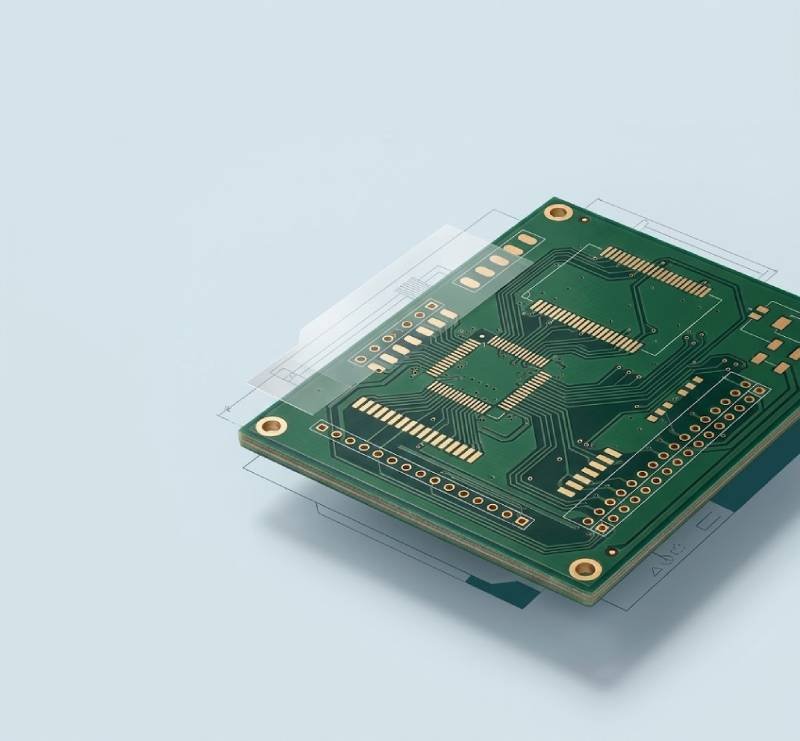
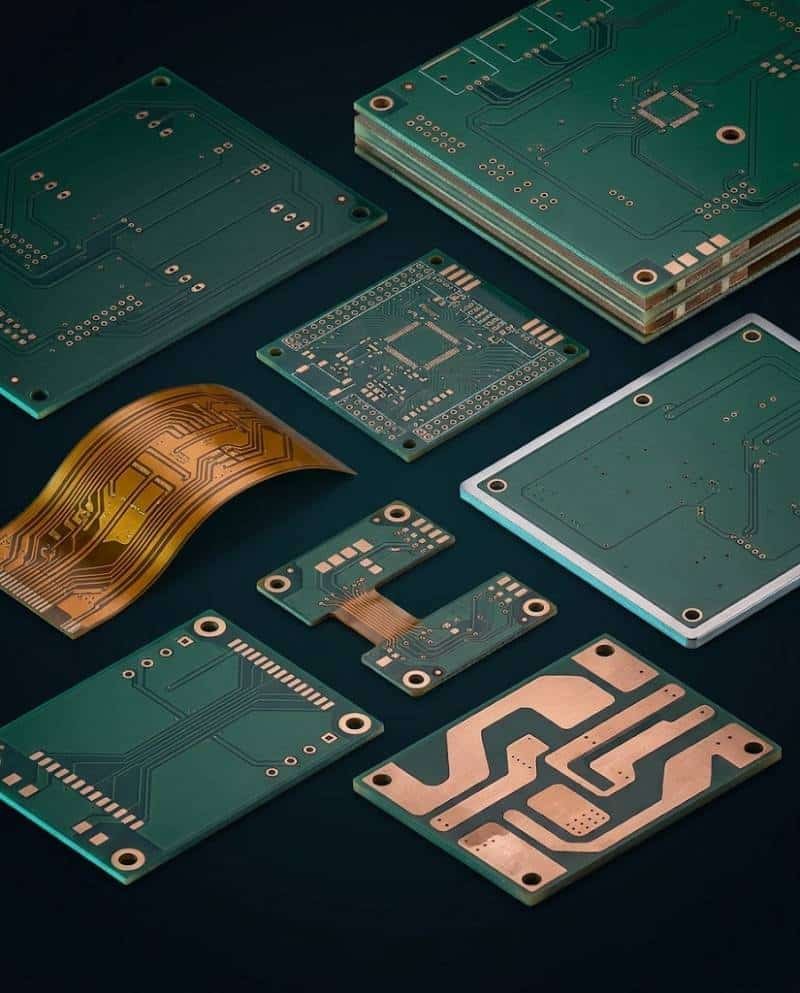
PCBELEC manufactures a wide range of custom bare PCBs for prototype and production needs, including rigid, multilayer, HDI, flexible, rigid-flex, metal core, high-frequency, and heavy copper PCB types. This page helps engineers, OEMs, and sourcing teams compare common PCB categories and identify the most suitable board structure for electrical, mechanical, thermal, and reliability requirements.
Prototype to Production | Engineering Review Before Fabrication | Custom Bare PCB Manufacturing
What Are the Main Types of PCBs?
The main types of printed circuit boards are rigid PCBs, multilayer PCBs, HDI PCBs, flexible PCBs, rigid-flex PCBs, metal core PCBs, high-frequency PCBs, and heavy copper PCBs. PCB types are typically selected based on layer count, circuit density, flexibility, thermal performance, signal requirements, and application environment.
- Choosing the right PCB type helps improve manufacturability, electrical performance, mechanical reliability, and product integration.
PCB Types Overview
PCB Type Selection Overview
Use this quick comparison to understand how different PCB types are typically applied in electronics design and manufacturing.
| PCB Type | Typical Layers | Key Advantage | Best For |
|---|---|---|---|
| Rigid PCB | 1–8+ | Stable, practical, and cost-effective structure | Standard electronic products and general applications |
| Multilayer PCB | 4–20+ | Higher routing density in a compact board | Complex circuits with more interconnections |
| HDI PCB | 4–16+ | Fine features and compact routing capability | Space-constrained and high-density designs |
| Flexible PCB | 1–6+ | Bendable circuit structure for tight spaces | Lightweight, compact, and dynamic applications |
| Rigid-Flex PCB | 4–20+ | Rigid support with integrated flex connectivity | High-reliability and compact electronic designs |
| Metal Core PCB | 1–4+ | Improved heat dissipation and thermal control | LED, power, and thermal-sensitive applications |
| High Frequency PCB | 2–12+ | Stable signal performance at higher frequencies | RF, microwave, and high-speed applications |
| Heavy Copper PCB | 2–12+ | Higher current capacity and stronger durability | Power electronics and thermal-demanding systems |
Explore PCB Types We Manufacture
PCBELEC supports a broad range of PCB technologies for prototype builds and ongoing production. Explore the main PCB types below to find the right manufacturing option for your project requirements.
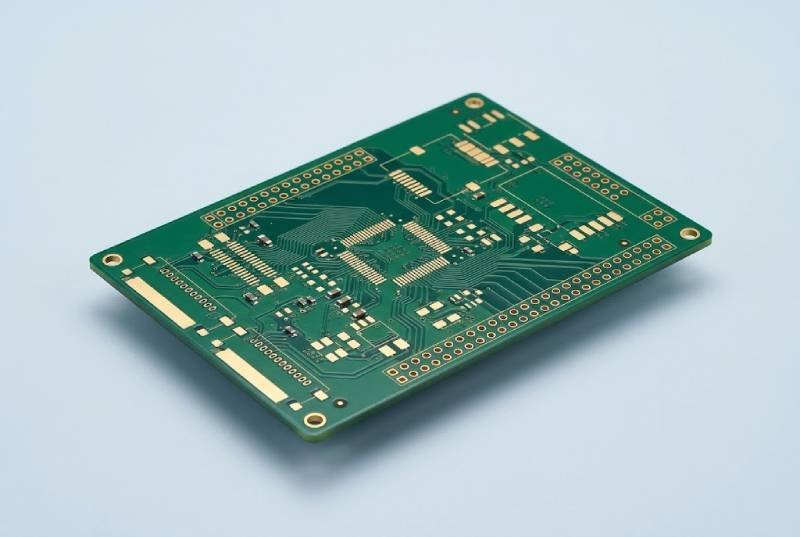
Rigid PCB
Rigid PCBs are standard solid circuit boards used in a wide range of electronic products where the board does not need to bend during installation or operation. They are widely selected for structural stability, broad material options, and cost-effective manufacturability.
Best for consumer electronics, industrial controls, power modules, and general-purpose circuit boards.
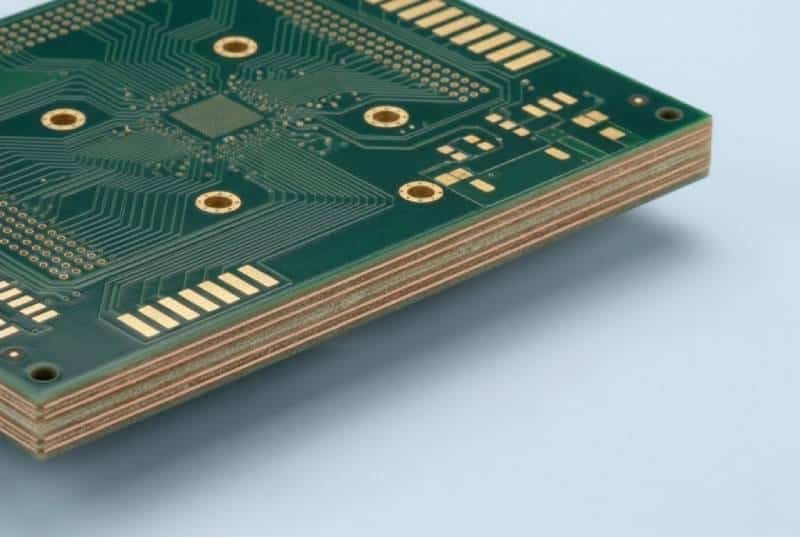
Multilayer PCB
Multilayer PCBs use multiple conductive layers laminated into one board structure, allowing more routing space and greater circuit integration within a compact footprint. They are commonly used when single-sided or double-sided boards cannot support the required complexity.
Best for communication equipment, embedded systems, industrial electronics, and advanced control boards.
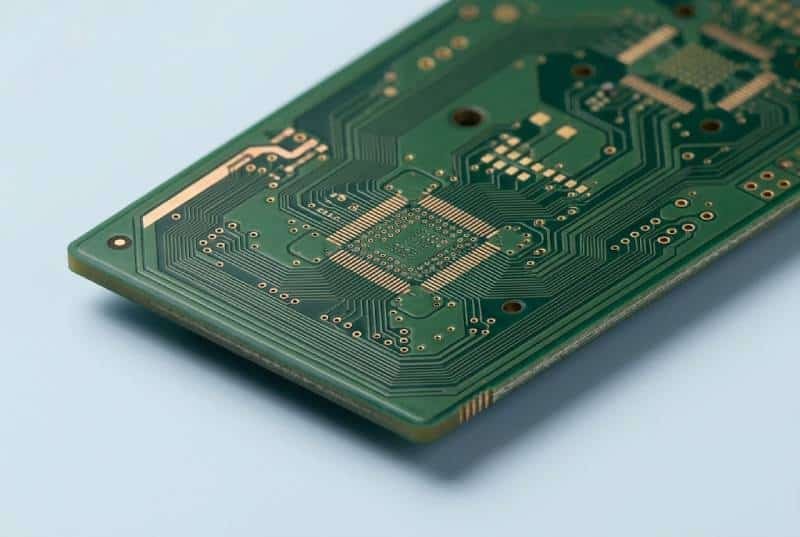
HDI PCB
HDI PCBs are designed with fine lines, smaller vias, and higher interconnection density to support compact and feature-rich electronic designs. They help significantly reduce overall board size while greatly improving routing efficiency for high-density layouts.
Best for compact electronics, wearable devices, medical equipment, and other advanced digital products.
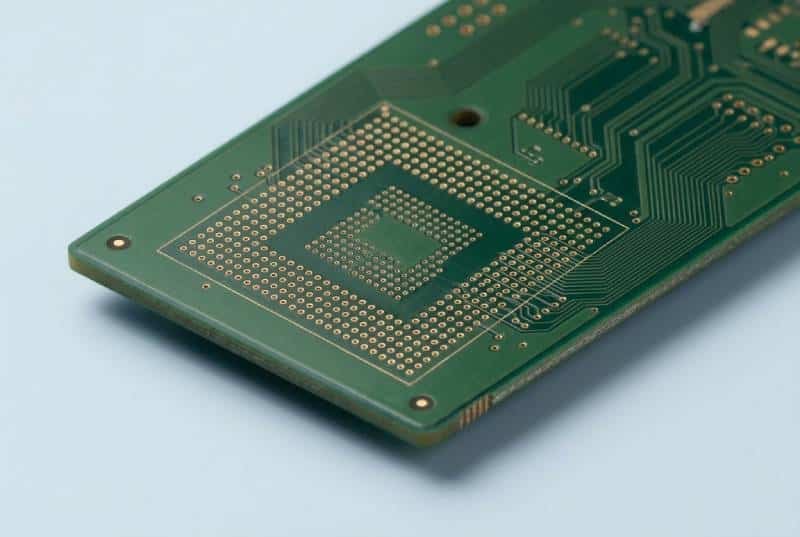
BGA PCB
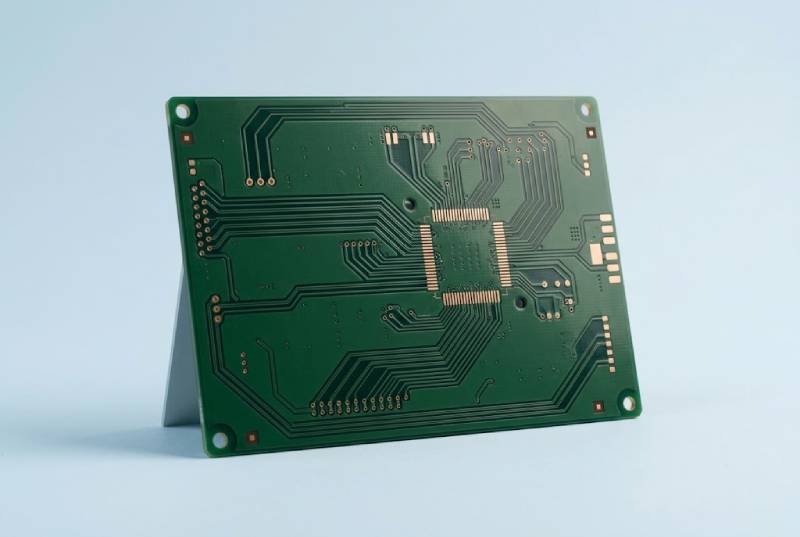
BGA PCBs support ball grid array layouts requiring precise pad geometry, controlled routing, and reliable interconnections. Depending on pitch and density, designs may incorporate fine features, via-in-pad, or HDI structures.
Best for processors, communication modules, compact control boards, and high-density electronic designs using BGA packages.
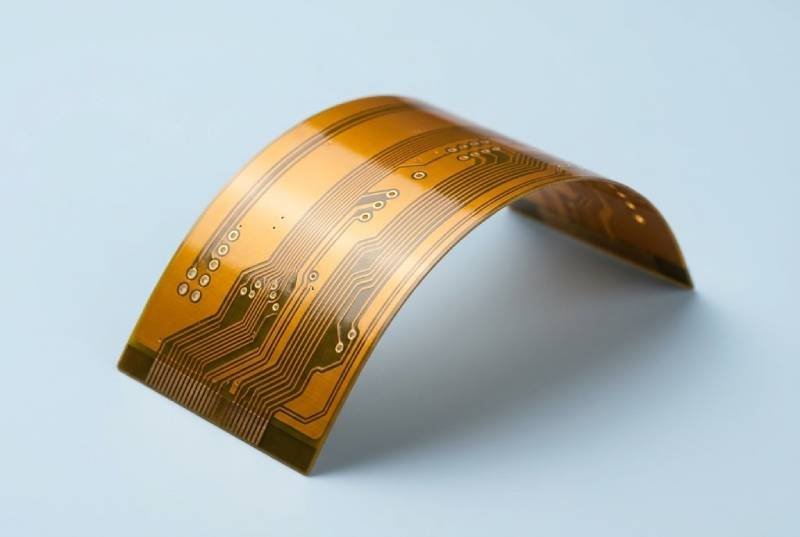
Flexible PCB
Flexible PCBs are built on bendable base materials that allow circuits to flex, fold, or fit into limited spaces. They are often used to reduce interconnections, save installation space, and support lightweight product designs.
Best for compact devices, display connections, dynamic bending applications, and lightweight electronics.
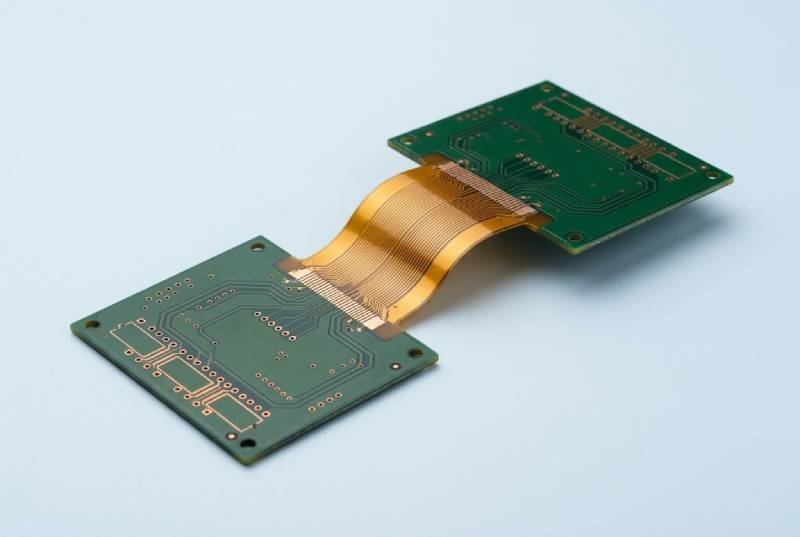
Rigid-Flex PCB
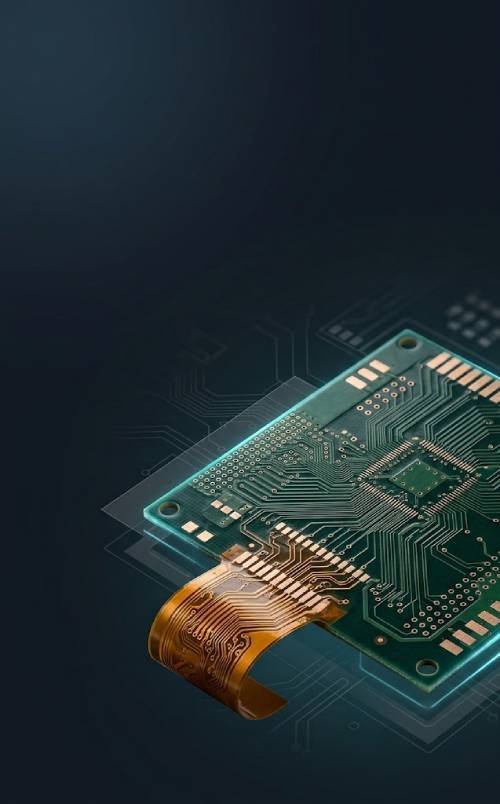
Rigid-flex PCBs combine rigid board sections with flexible circuit areas in one integrated structure. This construction can reduce connectors, improve packaging efficiency, and support more complex mechanical layouts.
Best for aerospace, medical devices, industrial systems, and compact products with demanding interconnect requirements.
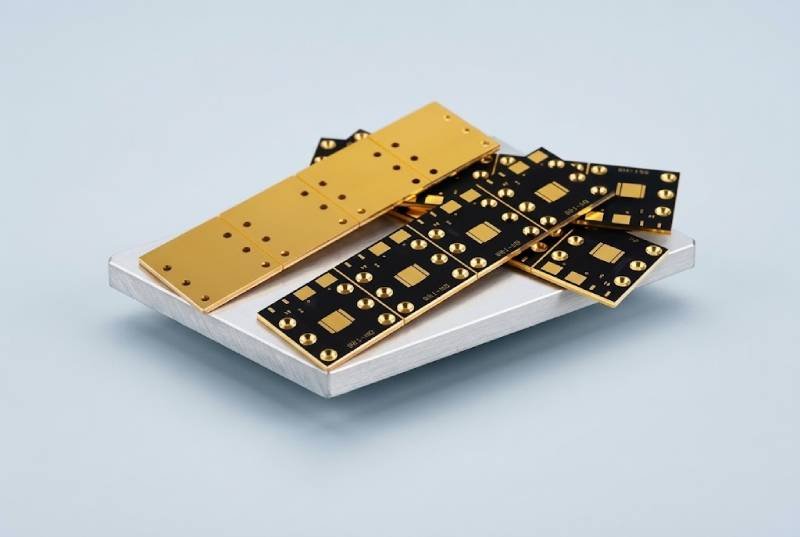
Metal Core PCB
Metal core PCBs use a metal base, often aluminum, to improve heat transfer in high-heat applications. They are ideal when thermal management is a key design requirement.
Best for LED lighting, power conversion, automotive electronics, and thermal-sensitive products.
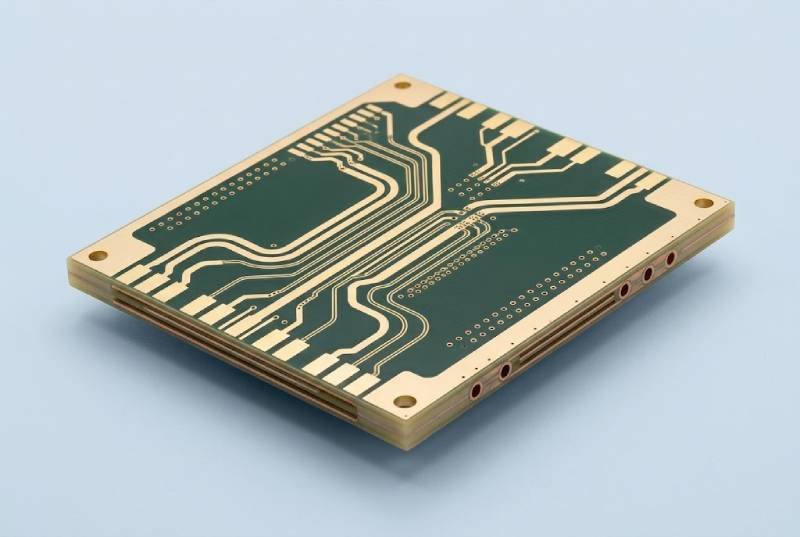
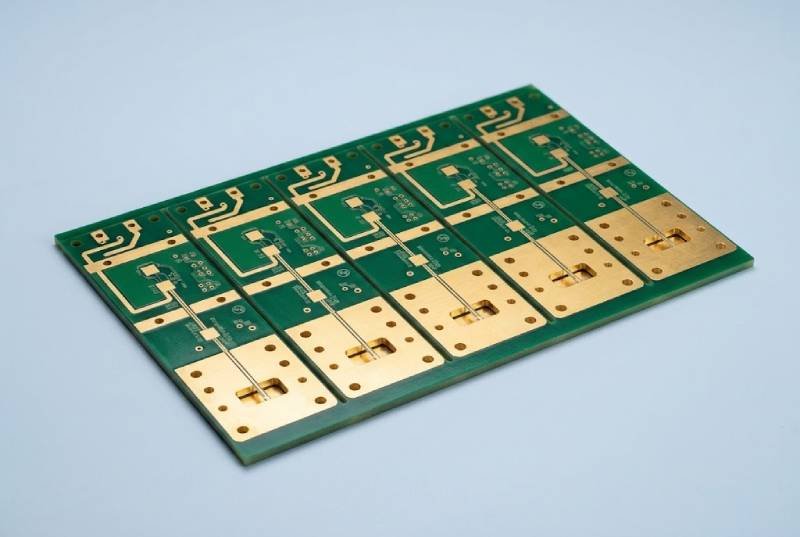
High Frequency PCB
High-frequency PCBs use specialized materials to support stable signal transmission in RF, microwave, and high-speed electronic applications. Material selection is important for these boards.
Best for RF modules, antennas, telecom equipment, radar systems, and high-speed signal applications.
Heavy Copper PCB
Heavy copper PCBs feature thicker copper circuitry to handle higher currents, enhance thermal capacity, and improve mechanical durability in high-power systems.
Best for power electronics, industrial equipment, automotive systems, and high-current applications.
How to Choose the Right PCB Type
The right PCB type depends on your design structure, space limitations, flexibility needs, thermal conditions, signal performance targets, and production goals. Reviewing these factors early helps match the board construction to the real application environment.
By Board Structure
Choose rigid PCBs for standard fixed structures, multilayer PCBs for more routing capacity, and HDI PCBs when your design requires higher interconnection density in a smaller footprint.
By Flexibility Requirement
Choose flexible PCBs when bending, folding, or lightweight integration is required. Choose rigid-flex PCBs when the product needs both mechanical stability and flexible interconnection in one design.
By Thermal Demand
Choose metal core PCBs or heavy copper PCBs when heat dissipation, current load, or thermal performance becomes a major part of the design requirement.
By Signal Performance
Choose high-frequency PCB structures when the application involves RF signals, microwave performance, controlled impedance, or other high-speed electrical requirements.
PCB Materials at a Glance
PCB material selection affects electrical performance, thermal behavior, flexibility, manufacturability, and long-term reliability. Different PCB types often rely on different laminate and base material systems depending on the application.
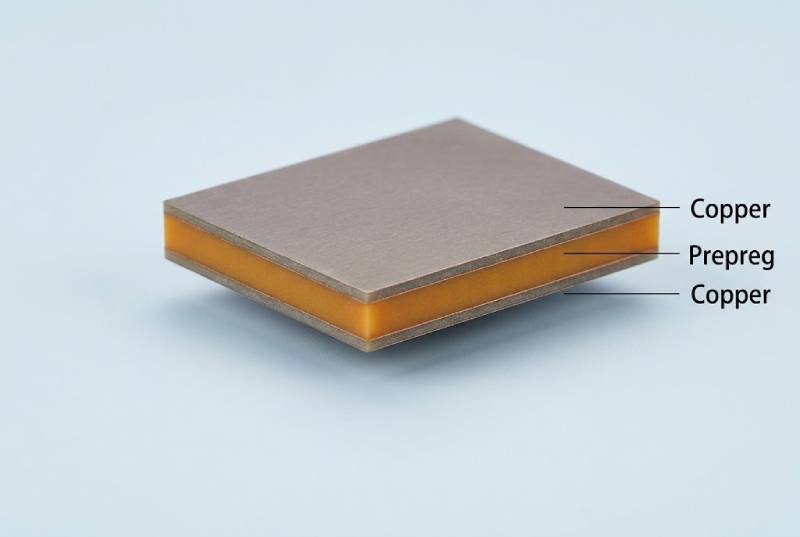
FR-4
FR-4 is a widely used standard PCB material for rigid and multilayer boards, offering balanced electrical insulation, mechanical stability, and cost-effective manufacturing.
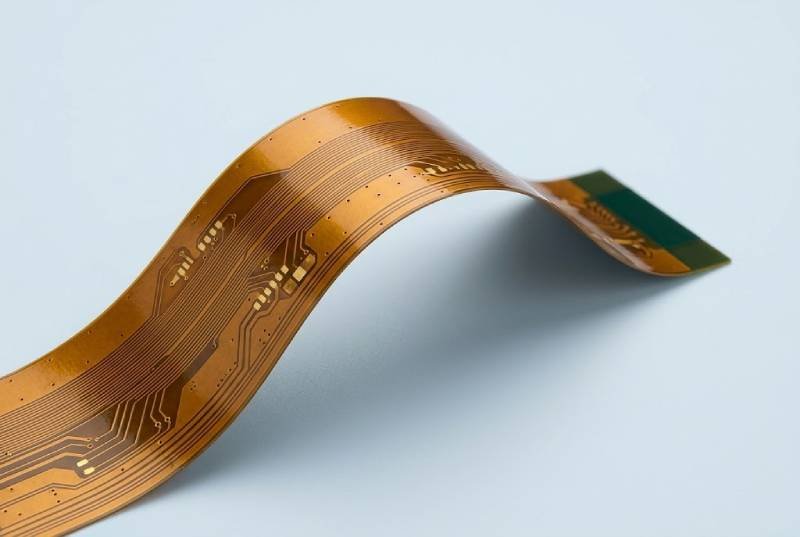
Polyimide
Polyimide is commonly used in flexible and rigid-flex PCB constructions because it supports bending performance, heat resistance, and lightweight circuit design.
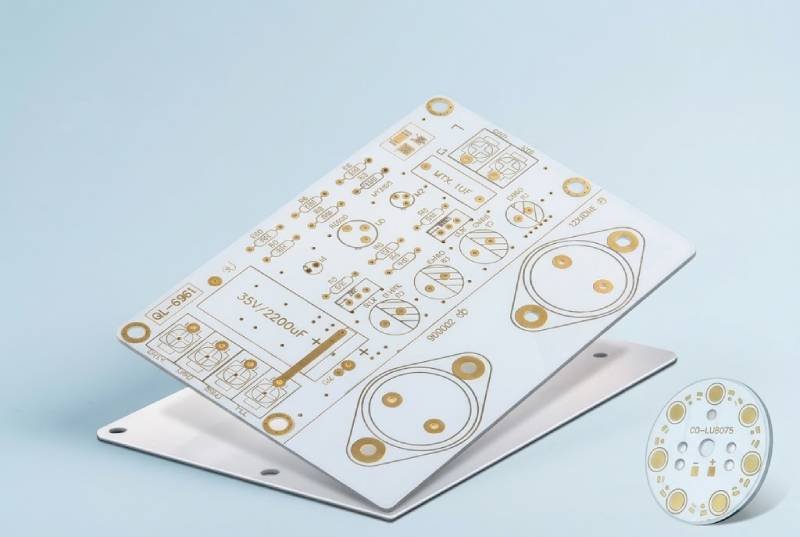
Aluminum
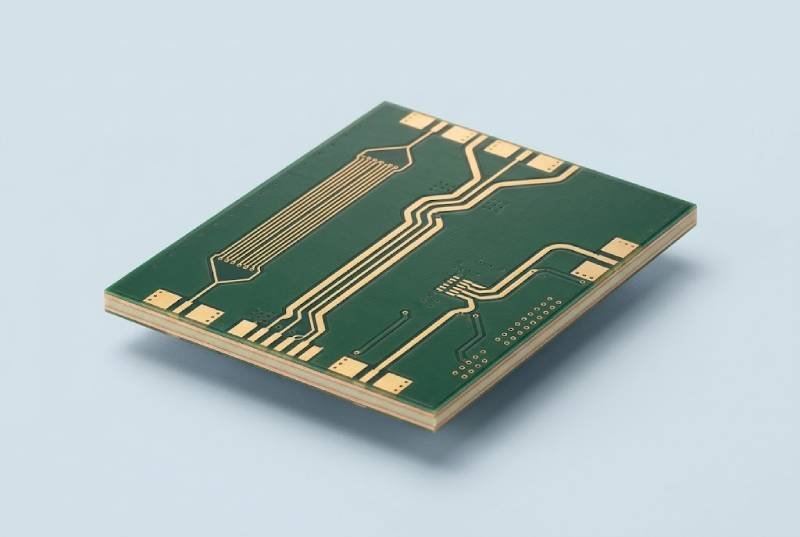
Aluminum-based materials are typically used in metal core PCBs where thermal dissipation is important for product performance and long-term reliability.
Rogers
Rogers and similar high-frequency laminates are used in RF and high-speed applications that require more stable dielectric performance than standard FR-4.
Built for Prototype and Production
Selecting the right PCB type is only part of the decision. Manufacturing capability, material support, engineering review, and process control also affect whether the final board can be produced reliably from prototype through repeat production.
Engineering Review Before Fabrication
Our team reviews production files and critical requirements before fabrication to help clarify manufacturability concerns and confirm key project details.
Material and Stackup Support
We support a range of PCB materials and board constructions based on electrical, thermal, structural, and project-specific manufacturing requirements.
Controlled Manufacturing Process
Board construction, copper features, hole requirements, surface finish, and other approved specifications are aligned with the project documentation during fabrication.
Prototype to Production Support
PCBELEC supports custom bare PCB manufacturing from sample builds and early validation to repeat orders and production requirements.
Frequently Asked Questions About PCB Types
These common questions help explain how different PCB types are selected for prototype and production applications.
A rigid PCB uses a solid board structure that does not bend during use, while a flexible PCB is built on bendable materials that allow folding or dynamic movement in compact product designs.
A multilayer PCB is usually selected when the circuit requires more routing space, more components, or a more compact design than a single-sided or double-sided board can support.
An HDI PCB is used in compact electronic products that require fine routing, smaller vias, and higher interconnection density to fit more functionality into less board space.
A rigid-flex PCB is a better choice when a product needs both rigid board areas and flexible interconnections in one integrated structure, especially in space-constrained or high-reliability applications.
A metal core PCB is used when heat dissipation is important, such as in LED, power, and thermal-sensitive electronic applications where better thermal transfer helps improve performance.
High-frequency PCB structures are typically used for RF, microwave, antenna, and other signal-sensitive applications that require stable electrical performance at higher frequencies.
Yes. Many PCB types can move from prototype to production, but final manufacturability, material choice, tolerances, quantity, and delivery requirements should be reviewed before volume fabrication.
PCB material selection depends on the board structure, thermal demand, electrical performance target, flexibility requirement, and operating environment of the final product.
More PCB Solutions
In addition to the main PCB categories above, PCBELEC also supports other board constructions and feature-specific PCB requirements.
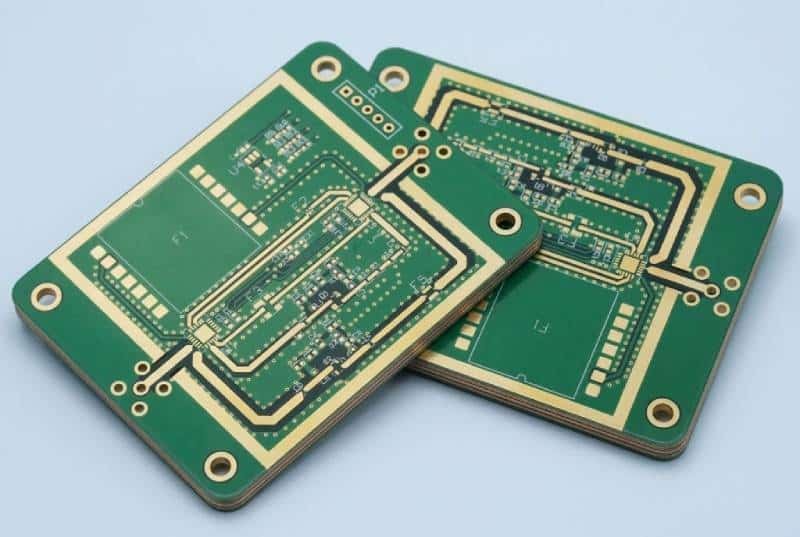
Ready to Discuss Your PCB Requirements?
Send your Gerber files, target specifications, quantity, and delivery requirements for engineering review and custom PCB quotation.
- Gerber File Upload Supported
- Engineering Review Before Fabrication
- Prototype to Production Support