PCB File Guide
PCB Manufacturing File Requirements
Accurate manufacturing files help speed up quotation, reduce engineering clarification, and improve production readiness. Gerber data, drill files, stackup details, fabrication drawings, materials, thickness, copper weight, surface finish, and other board specifications should be prepared clearly before submitting a PCB manufacturing request.
- Gerber, drill, stackup, and fabrication data for PCB manufacturing review.
- Material, thickness, copper, finish, quantity, and lead time information.
What Files Are Needed for PCB Manufacturing?
PCB manufacturing normally begins with a complete and readable set of fabrication data. At a minimum, this usually includes Gerber files, NC drill files, and enough supporting information to confirm layer structure, board dimensions, hole requirements, copper weight, material choice, and surface finish.
For more complex builds, additional information may be needed to avoid delay during engineering review. Controlled impedance requirements, stackup targets, special tolerances, panelization notes, edge plating, castellations, heavy copper details, and other structure-specific instructions should be included whenever they apply to the design.

Essential PCB Manufacturing Files
The following files are the most commonly required for quotation and fabrication review.
Gerber Files
Gerber files remain the standard manufacturing data set for PCB fabrication. They define copper layers, solder mask, silkscreen, paste layers when relevant, board outline, and other image-based layer information needed to prepare production tooling.
NC Drill Files
NC drill files provide hole size, drill position, and routing-related drilling data for plated and non-plated holes. Drill files should match the board design data and include clear unit settings and tool definitions whenever possible.
Fabrication Drawing
A fabrication drawing helps confirm board size, finished thickness, hole tolerances, board contour, slots, cutouts, surface finish, marking requirements, and other manufacturing instructions that may not be obvious from Gerber data alone.
Stackup Information
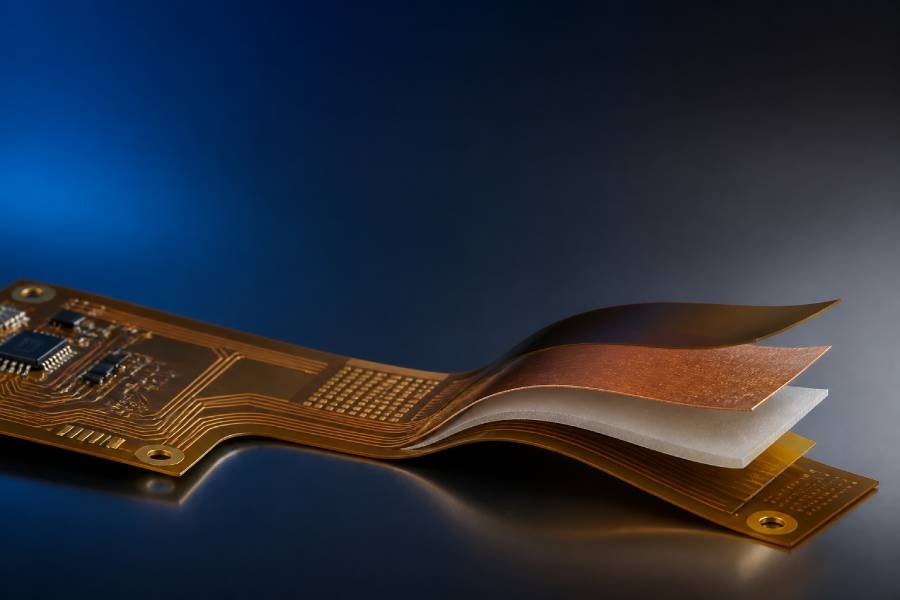
Stackup information becomes especially important for multilayer, impedance-controlled, HDI, heavy copper, rigid-flex, and other structure-sensitive PCB designs. Layer count, copper distribution, dielectric thickness, and material system should be defined as clearly as possible.

Additional Manufacturing Information to Include
Besides the file set itself, quotation accuracy and engineering review also depend on whether key manufacturing specifications are provided clearly.
- Board dimensions and required quantity.
- Number of layers and finished board thickness.
- Base material and Tg requirement if specified.
- Copper weight for outer and inner layers.
- Surface finish requirement such as HASL, lead-free HASL, ENIG, OSP, immersion silver, immersion tin, or hard gold.
- Solder mask color and silkscreen color if needed.
- Controlled impedance requirement and target values where applicable.
- Panelization preference, breakaway method, rails, or tooling hole requirements if applicable.
- Special notes such as blind vias, buried vias, HDI structure, edge plating, gold fingers, heavy copper, or half-holes.
- Expected lead time, prototype or production quantity, and any project-specific delivery notes.
The more complete these specifications are at the start, the easier it becomes to confirm manufacturability, avoid repeated file clarification, and provide a more accurate quotation.
Accepted PCB File Formats
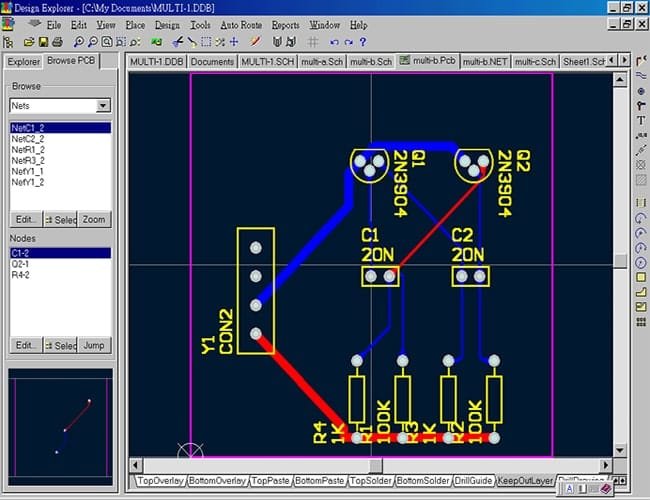
PCB manufacturing requests are often submitted in Gerber-based or native design-file formats, depending on the design system being used. Gerber RS-274X remains the most common output format for production release, while some projects may also include ODB++, IPC-2581, or native files from major PCB design platforms for review support.
If native design files are submitted, they should still be accompanied by clear manufacturing notes and, when possible, standard production outputs such as Gerber and NC drill files. This helps reduce interpretation risk and keeps the engineering review process more efficient.
Suggested Formats List
- Gerber RS-274X
- NC Drill / Excellon
- ODB++
- IPC-2581
- Altium Designer files
- Eagle, KiCad, or other native PCB layout files for reference when needed
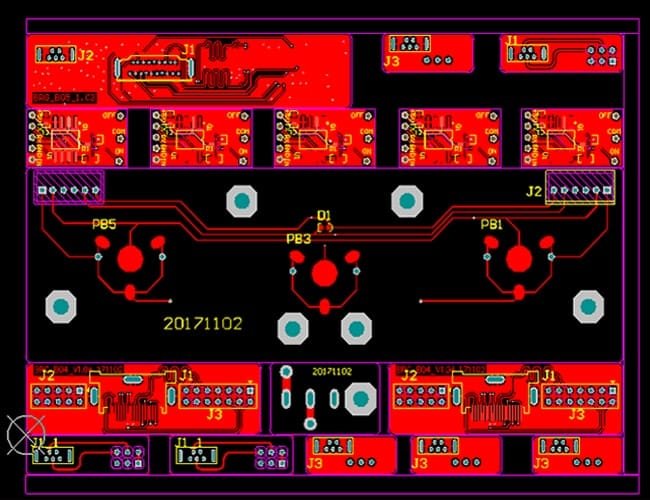

Common File Problems That Delay PCB Quotation
Many quotation delays are caused not by the board itself, but by missing or incomplete file information.
- Missing drill file or mismatched hole data.
- Unclear board outline or mechanical contour.
- Stackup not provided for multilayer or impedance-controlled boards.
- Surface finish not specified.
- Copper weight or finished thickness not defined clearly.
- Ambiguous slots, cutouts, or routing notes.
- Layer naming confusion in Gerber output.
- Special structures such as half-holes, edge plating, or blind vias not called out in supporting notes.
File packages that are complete, organized, and supported by basic manufacturing notes are much easier to review, quote, and release into production without repeated clarification.


Before You Submit PCB Manufacturing Files
Before sending your files, it is helpful to confirm that the production data matches the latest revision of the design and that the essential manufacturing specifications are included. Gerber files, drill data, board outline, stackup, material requirement, copper weight, finish, quantity, and delivery expectations should all be checked once before submission.
- Latest Gerber revision confirmed.
- NC drill file included.
- Board size and outline confirmed.
- Layer count and thickness defined.
- Material and copper weight specified.
- Surface finish selected.
- Quantity and lead time provided.
- Special fabrication notes attached if needed.
Frequently Asked Questions About PCB Manufacturing Files
Gerber files are often the starting point, but they are not always enough by themselves. Drill data, board thickness, material, copper weight, finish, quantity, and other fabrication notes are often needed to provide an accurate quotation.
Gerber files describe the image data for copper, solder mask, silkscreen, and related production layers, while NC drill files define hole positions, hole sizes, and drill instructions for fabrication.
For simple 2-layer boards, a full stackup may not always be necessary if standard material and thickness are acceptable. For multilayer, impedance-controlled, HDI, heavy copper, or other advanced boards, stackup information becomes much more important.
Gerber RS-274X remains the most widely used production format, but ODB++, IPC-2581, and certain native PCB design formats may also be accepted for engineering review depending on the project.
Clear material selection, board thickness, copper weight, finish requirement, quantity, lead time, and any special process notes can significantly improve quotation speed and reduce clarification rounds.
Yes. If the PCB requires controlled impedance, the target values and related stackup expectations should be included so the design can be reviewed correctly for manufacturability.
Ready to Submit Your PCB Files?
Send your Gerber files, drill data, stackup details, fabrication drawing, and key manufacturing requirements for engineering review and quotation. Clear and complete production information helps shorten response time and improves manufacturing readiness from the start.