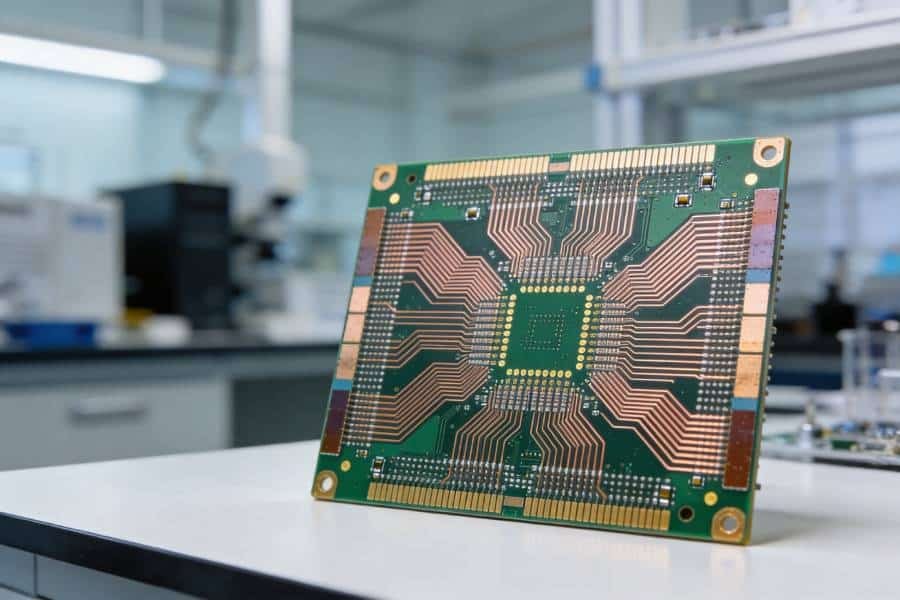
PCB Materials Selection Guide
PCB Materials and How to Choose the Right Material for Your Board
PCB material selection affects electrical performance, thermal behavior, mechanical reliability, manufacturing feasibility, and overall project cost. The right material depends on how your board will operate, the environment it will face, the signal and power requirements it must meet, and the production goals of the project.
PCBELEC supports a broad range of PCB materials for standard, high-temperature, high-frequency, thermal-management, flexible, and specialized board requirements. Use this guide to compare material options, understand the main selection factors, and identify the best starting point for your PCB fabrication project.
- Electrical and signal-performance requirements
- Thermal and environmental operating conditions
- Mechanical structure and flexibility needs
- Manufacturing feasibility and cost targets
How Do You Choose the Right PCB Material?
Choose a PCB material by matching its electrical, thermal, mechanical, reliability, and manufacturing characteristics to the actual needs of the board. For standard electronics, FR-4 is often a practical starting point. Higher thermal stress may require high-Tg materials; RF and high-speed designs may need low-loss laminates such as Rogers or PTFE-based materials; thermal-management applications may benefit from aluminum, copper-core, or ceramic structures; and flexible circuits typically require polyimide-based materials.
The right choice should also consider layer structure, copper weight, impedance requirements, operating temperature, expected environment, expected volume, and cost constraints. Engineering review before fabrication helps confirm that the selected material is compatible with both design performance and manufacturing requirements.
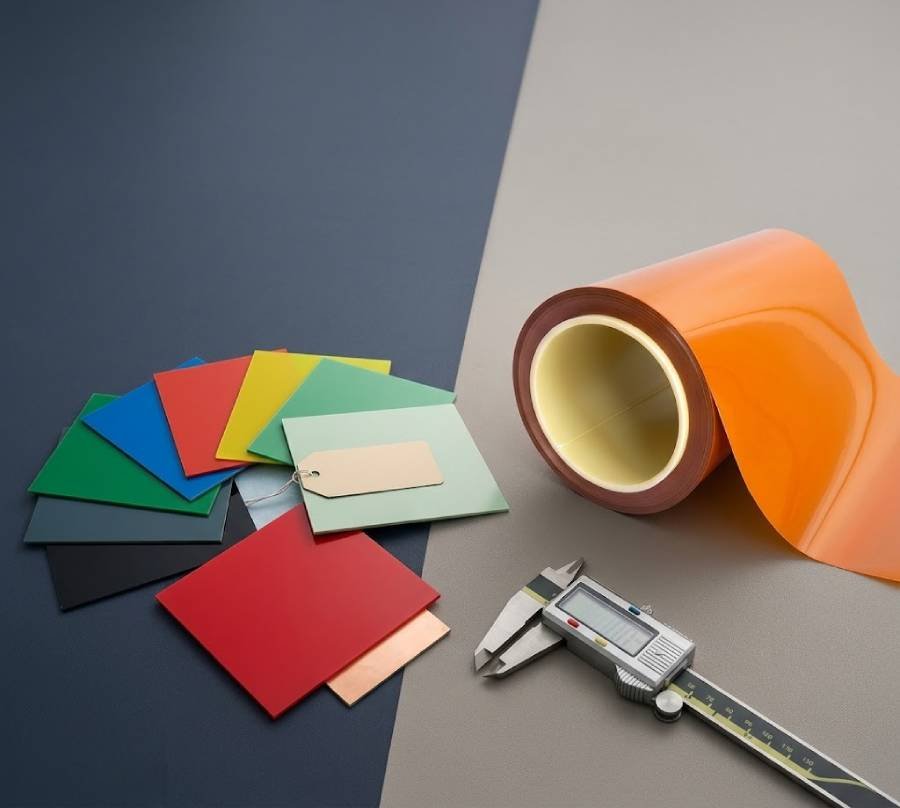
Main PCB Material Families
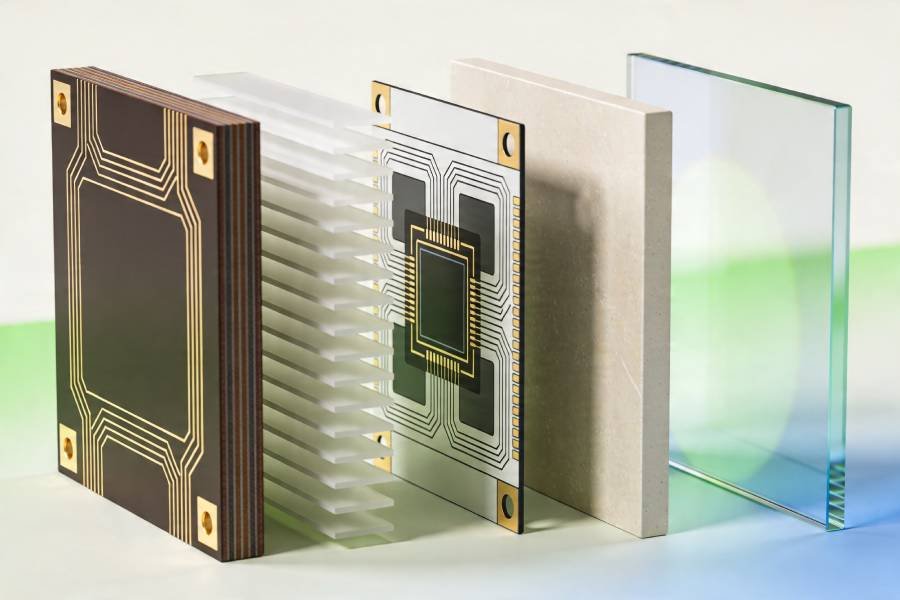
PCB materials can be organized into several material families, each designed to address different electrical, thermal, mechanical, and reliability requirements. Understanding these families helps narrow the selection before comparing specific laminate grades or manufacturer options.
01.
Standard Epoxy-Glass Materials
Standard epoxy-glass laminates, commonly represented by FR-4, are widely used for general-purpose rigid PCBs. They offer a practical balance of electrical insulation, mechanical strength, availability, and cost for many standard electronic applications.
02.
High Thermal-Performance Materials
High-Tg and other thermally robust materials are used where boards face higher processing temperatures, repeated thermal cycling, or more demanding operating conditions. They can support improved thermal stability compared with standard materials when the application requires it.
03.
RF and High-Frequency Materials
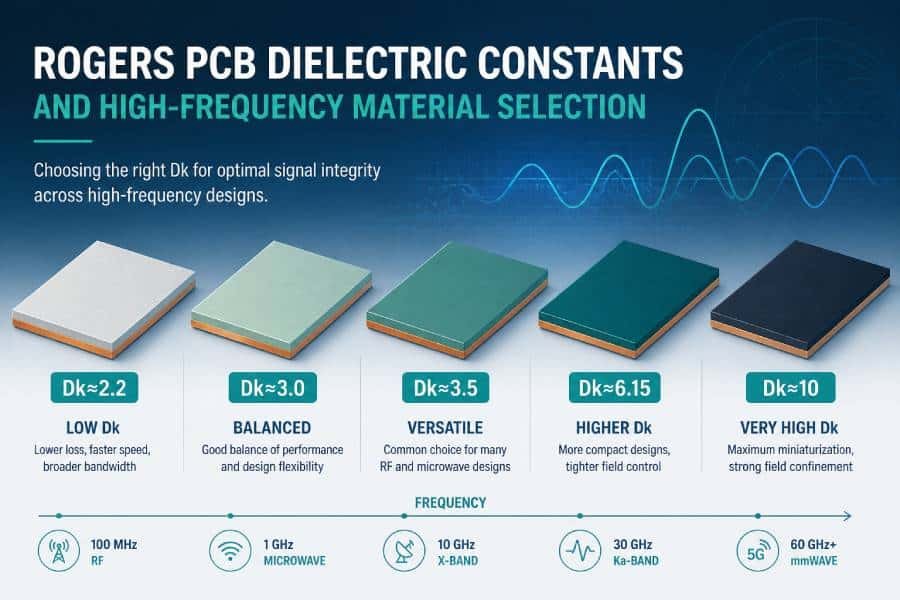
RF, microwave, high-speed, and low-loss designs may require materials with more stable dielectric properties and lower signal loss. Rogers, PTFE-based materials, and other specialized laminates are commonly considered for these applications.
04.
Metal-Based Materials
Aluminum and copper-core structures are used when thermal management is a primary design concern. These materials are commonly evaluated for power electronics, LED systems, and other applications that need to transfer heat away from active areas efficiently.
05.
Flexible Base Materials
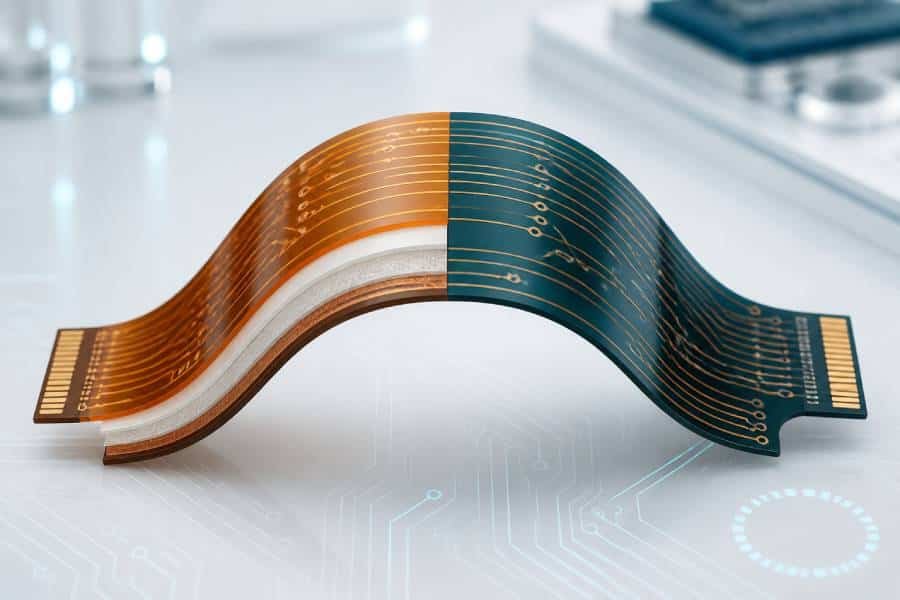
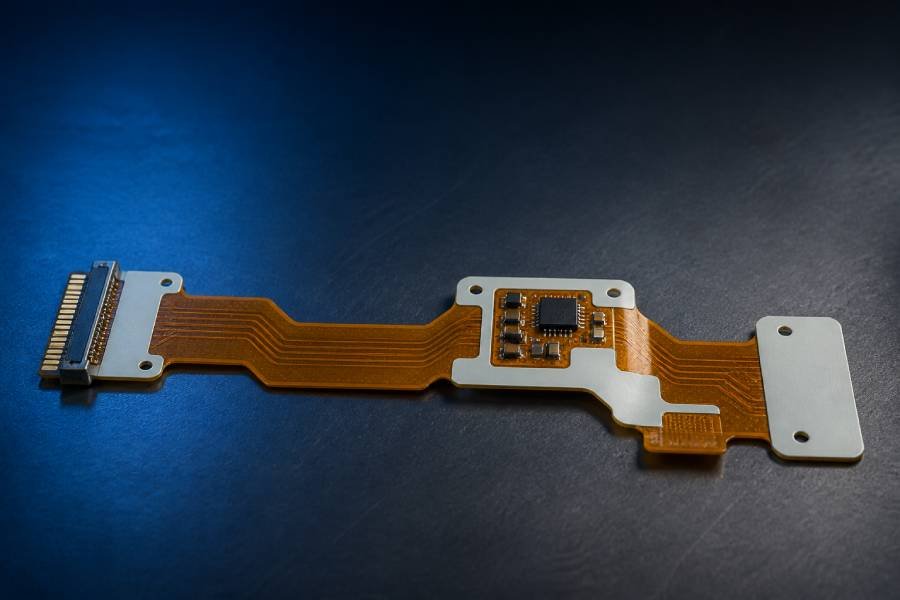
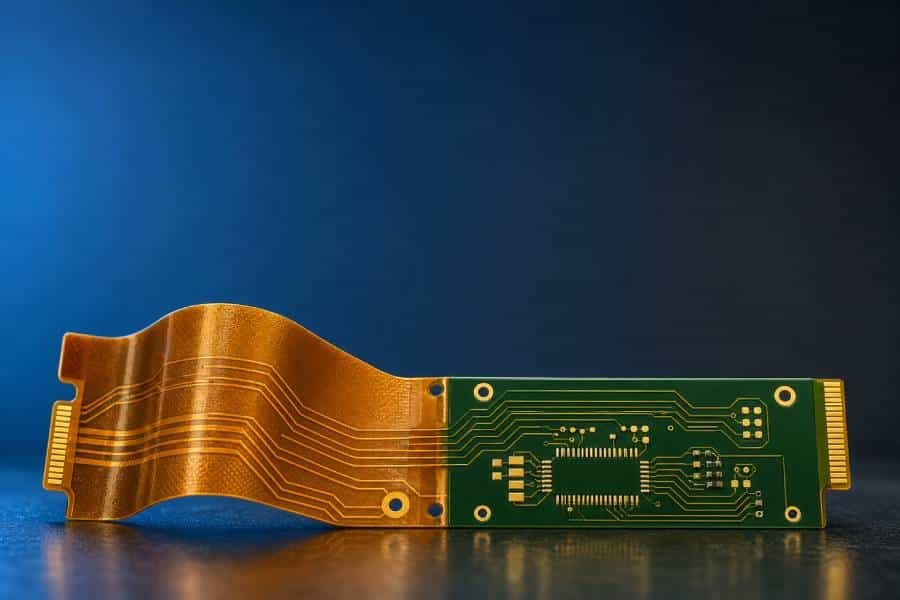
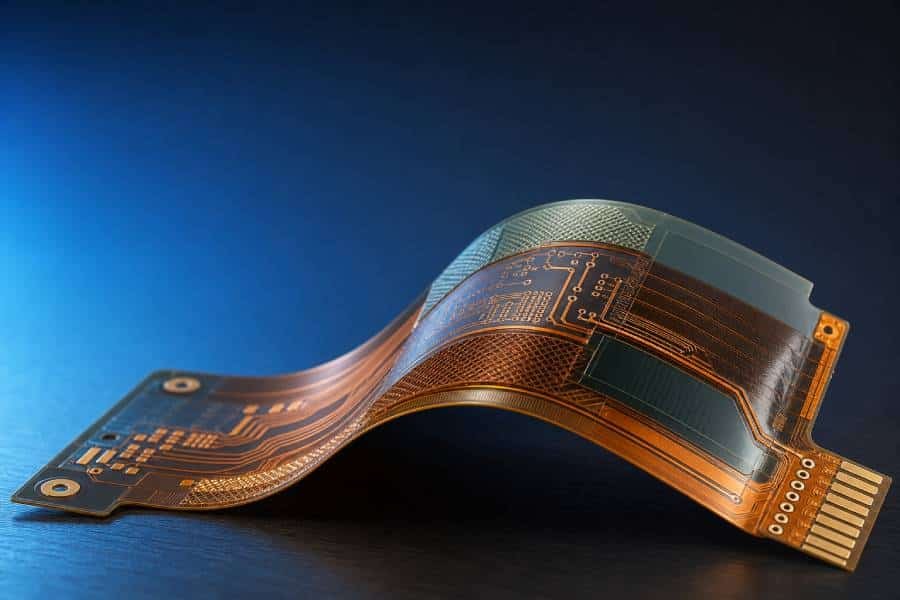
Polyimide-based materials are widely used for flexible and rigid-flex circuit structures because they can support bending, compact packaging, and elevated-temperature environments.
06.
Advanced and Specialty Materials
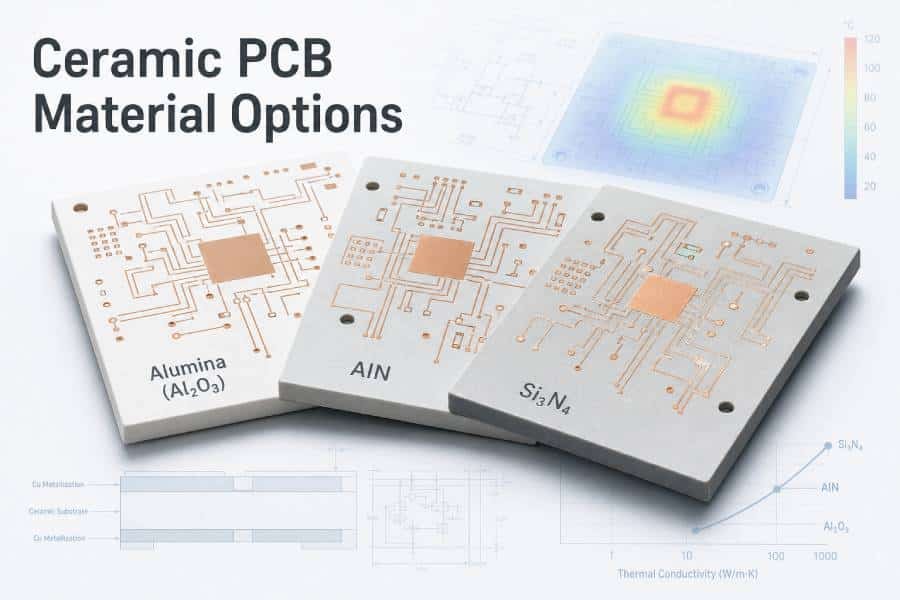
Ceramic substrates, specialty laminates, hybrid constructions, and customer-specified materials may be required for demanding electrical, thermal, mechanical, or environmental conditions that standard materials cannot address efficiently.








And many more!
Match Material to Performance Requirements
The most effective material-selection process starts with the board’s performance requirements rather than a preference for a specific material name. Consider the following starting points when comparing material options.
| Project Requirement | Typical Material Starting Point | Why It May Fit |
|---|---|---|
| General-purpose rigid electronics | FR-4 PCB Material | A practical balance of insulation, mechanical strength, availability, and cost for many standard boards. |
| Higher thermal stress or thermal cycling | High Tg PCB Material | Improved thermal stability can support projects exposed to higher temperatures or more demanding thermal conditions. |
| RF, microwave, or high-speed signals | Rogers PCB Material or RF / High Frequency PCB Materials | More stable dielectric behavior and lower loss can help support signal integrity requirements. |
| Very low-loss or demanding high-frequency performance | PTFE or Specialty Laminates | Specialized low-loss materials may be needed when electrical performance is the main priority. |
| Heat dissipation | Aluminum PCB Material or Copper Core PCB Material | Metal-based structures can help manage heat in power, LED, and thermally demanding applications. |
| Flexibility or dynamic bending | Polyimide PCB Material | Polyimide is commonly used for flexible circuit structures and high-temperature flex applications. |
| Extreme thermal or specialized reliability requirements | Ceramic PCB Materials | Ceramic materials can be evaluated where thermal performance, stability, or demanding environmental performance is required. |
Material selection should always be confirmed against the full stackup, circuit design, operating environment, and fabrication requirements. A material that is suitable for one application may add unnecessary cost or manufacturing complexity to another.
Explore PCB Material Types
Explore the material categories below to understand common uses, selection considerations, and fabrication planning factors for each material family. Each page provides a more focused starting point for a specific PCB material requirement.
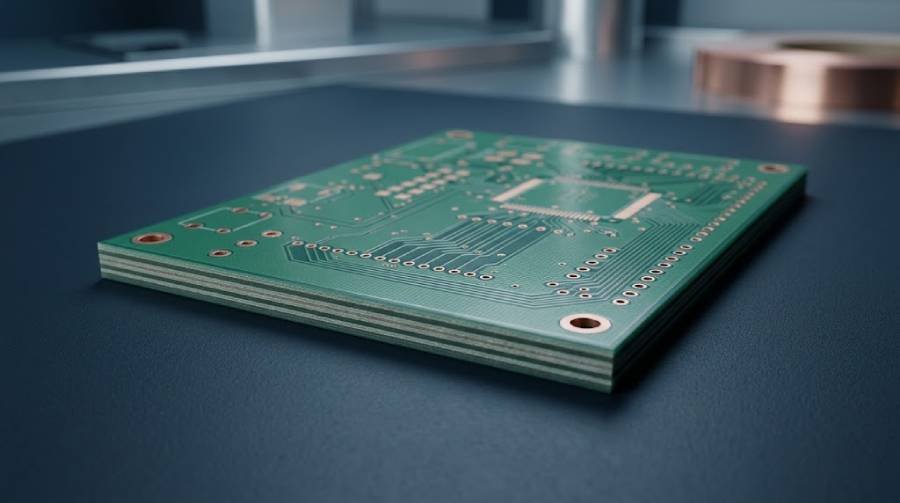
FR-4 PCB Material
A widely used rigid PCB material for general electronics that need a practical balance of performance, manufacturability, and cost.
Explore FR-4 PCB Material
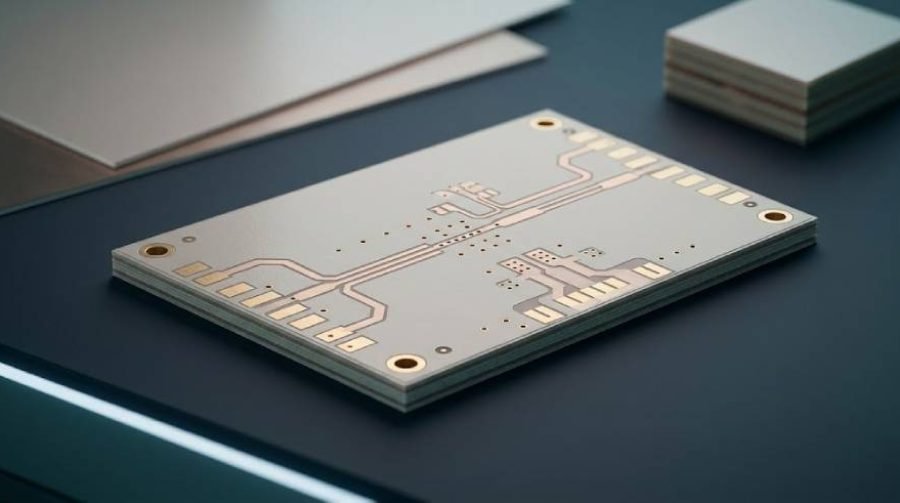
Rogers PCB Material
A high-frequency material option for RF, microwave, and signal-sensitive applications that require more stable dielectric performance and lower loss.
Explore Rogers PCB Material
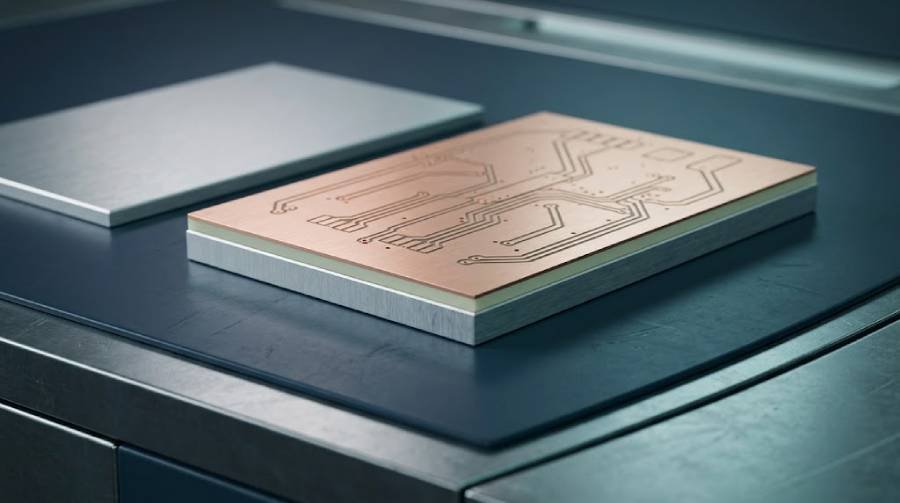
Aluminum PCB Material
A metal-core material option commonly considered for LED, power, and other applications where heat dissipation is important.
Explore Aluminum PCB Material
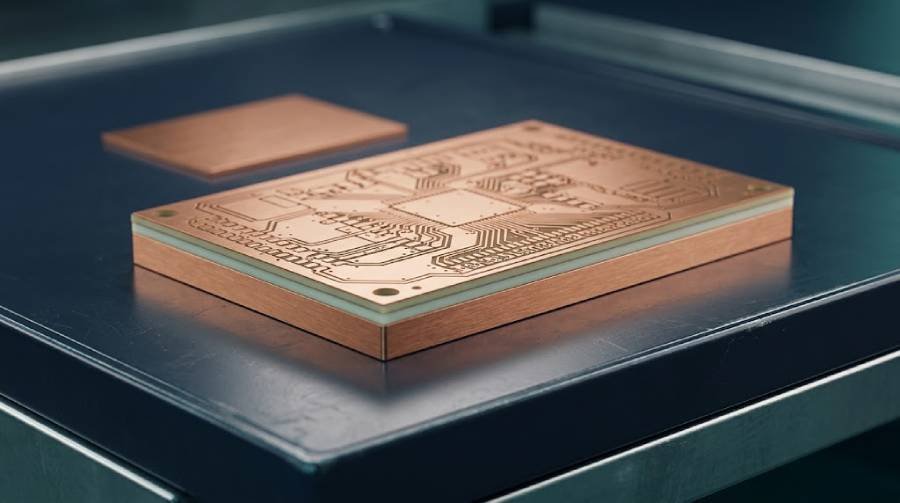
Copper Core PCB Material
A thermally focused board construction for applications that require higher heat-transfer capability and demanding power performance.
Explore Copper Core PCB Material
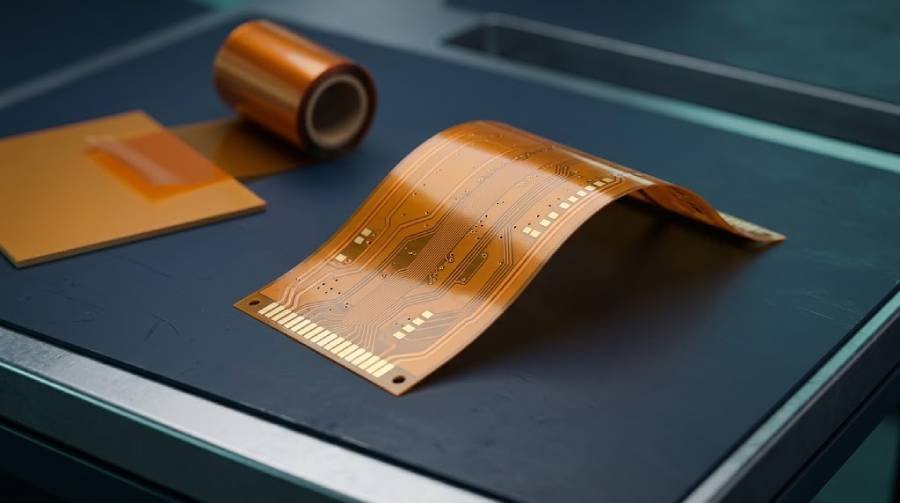
Polyimide PCB Material
A high-performance material used for flexible and rigid-flex circuits that require bending capability, compact integration, or higher temperature resistance.
Explore Polyimide PCB Material
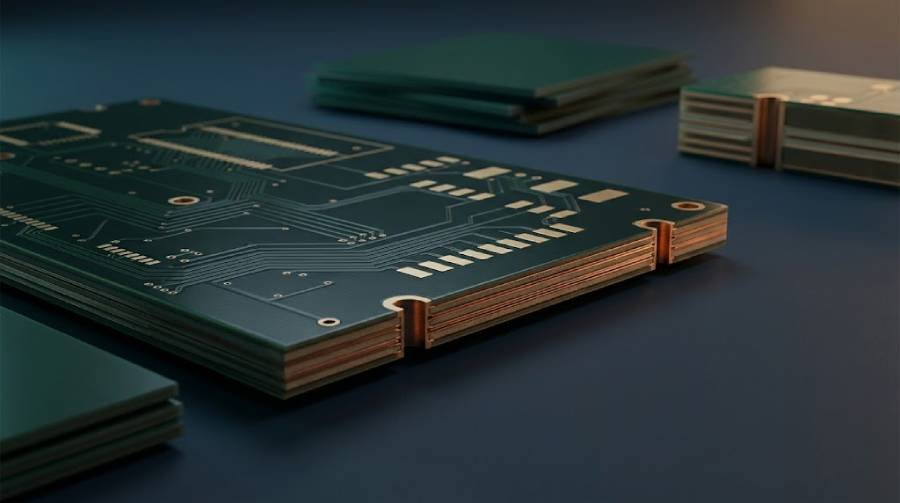
High Tg PCB Material
A material option for boards exposed to higher thermal stress, elevated processing temperatures, or more demanding reliability conditions.
Explore High Tg PCB Material
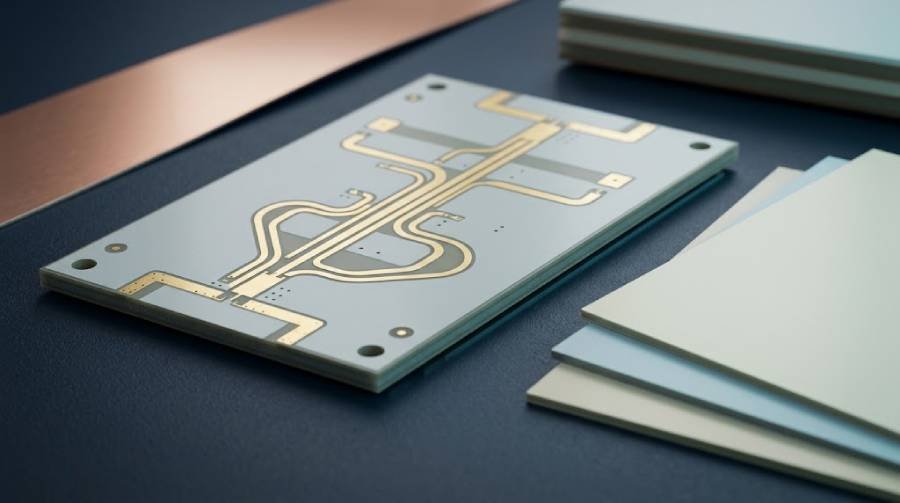
RF / High Frequency PCB Materials
A material category for RF, microwave, high-speed, and low-loss designs where Dk stability and lower Df can affect signal performance.
Explore RF / High Frequency PCB Materials
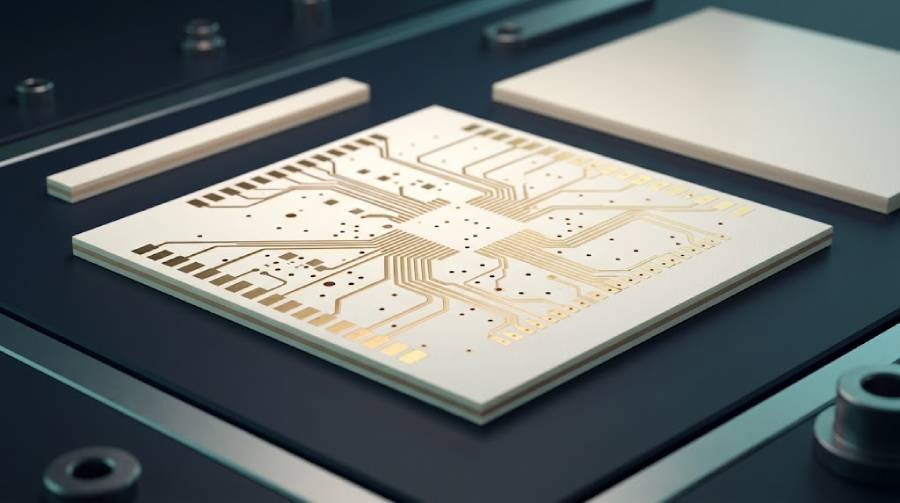
Ceramic PCB Materials
A specialized material option for projects that require high thermal performance, electrical insulation, dimensional stability, or demanding operating conditions.
Explore Ceramic PCB Materials
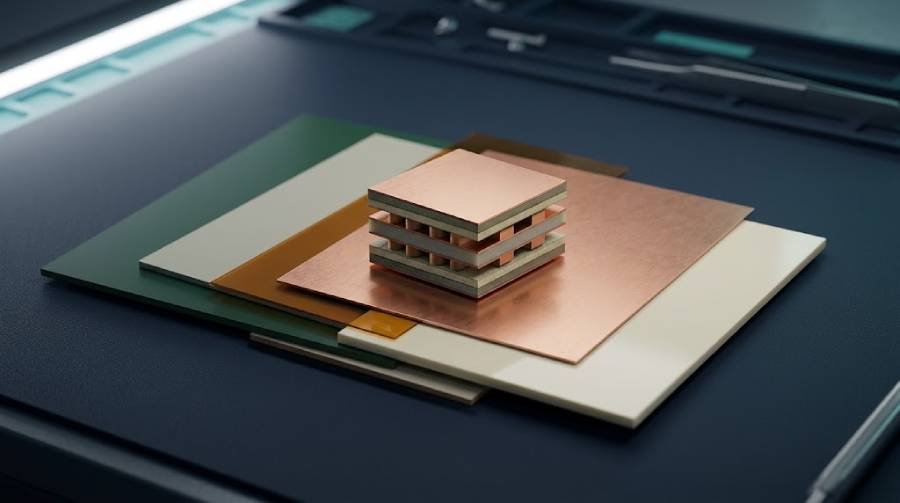
Specialty Laminates / Custom Specified Materials
A project-specific path for hybrid stackups, customer-nominated materials, unusual performance requirements, or non-standard fabrication specifications.
Discuss Custom Material Requirements
Materials We Support at PCBELEC
PCBELEC supports standard and advanced PCB material options based on board structure, electrical performance, thermal requirements, mechanical design, and fabrication feasibility. Material availability and final stackup selection should be reviewed against the project’s complete technical requirements before quotation and production release.
Our support is not limited to selecting a material name from a list. We review how the material works with the layer stackup, copper configuration, impedance expectations, board thickness, surface finish, hole structure, thermal load, and intended fabrication process. This helps customers make material decisions that are practical for both design performance and production.
Implementation note: Replace the “Typical Options / Examples” column below with your verified material brands, series, and actual capability-table entries. Do not publish a brand, laminate series, thickness range, or stock claim unless it is confirmed by your engineering or purchasing team.
| Material Family | Typical Options / Examples | Common Project Fit | Fabrication Review Focus |
|---|---|---|---|
| Standard FR-4 | Standard epoxy-glass laminate systems | General rigid PCBs, common digital and control boards | Stackup, Tg level, board thickness, copper weight, and finish requirements |
| High-Tg FR-4 | High thermal-stability epoxy-glass laminate systems | Higher thermal stress, industrial, power, and reliability-focused designs | Tg requirement, thermal cycling, CTE compatibility, and process conditions |
| Halogen-Free Materials | Halogen-free laminate systems | Projects with material-compliance or environmental requirements | Availability, stackup compatibility, and required documentation |
| Rogers / Low-Loss Laminates | Rogers and comparable high-frequency laminate systems | RF, microwave, high-speed, controlled-impedance designs | Dk / Df targets, impedance structure, hybrid-stackup feasibility, and processing requirements |
| PTFE-Based Materials | PTFE and PTFE-based low-loss laminates | Higher-frequency, low-loss, and specialized RF requirements | Drill, plating, registration, hybrid construction, and process feasibility |
| Aluminum Core Materials | Aluminum-based metal-core structures | LED, power, and thermal-management applications | Dielectric layer, thermal path, copper thickness, and mechanical design |
| Copper Core Materials | Copper-core or high-thermal-conductivity structures | Higher heat loads and demanding power applications | Thermal path, board construction, weight, machining, and fabrication limits |
| Polyimide Materials | Polyimide films and flexible base materials | Flexible PCB, rigid-flex PCB, compact or bendable structures | Flex construction, bend area, coverlay, stiffener, and thermal requirements |
| Ceramic Materials | Ceramic substrate options based on project requirements | High thermal performance, high stability, and specialized applications | Material type, metallization, board geometry, and application environment |
| Custom Specified Materials | Customer-designated or project-specific laminates | Hybrid, advanced, and non-standard PCB requirements | Material sourcing, datasheet review, fabrication feasibility, and production planning |
If your design calls for a specified laminate brand, a special dielectric property, a controlled stackup, or a non-standard material combination, include those requirements with your RFQ. Our engineering team can review feasibility before fabrication planning begins.
How to Match Material to Board Type and Project Needs
Material selection works best when it is evaluated together with the full PCB design and manufacturing plan. The same material may be appropriate for one board structure but unnecessary or unsuitable for another.
Board Type
Rigid, multilayer, HDI, flexible, rigid-flex, metal-core, and ceramic boards each have different material and process considerations. Begin with the board structure, then select a material family that supports its mechanical and electrical requirements.
Signal Frequency and Integrity
For RF, microwave, high-speed, or controlled-impedance designs, consider dielectric constant stability and loss tangent. Dk affects propagation speed and impedance behavior, while lower Df helps reduce dielectric-related signal loss.
Thermal Load
Consider both the operating temperature and the heat generated within the application. High-Tg, aluminum, copper-core, ceramic, or other specialized materials may be appropriate when thermal stability or heat dissipation is a key requirement.
Mechanical Requirements
If the board needs to bend, fold, fit into a compact space, or combine rigid and flexible areas, the material system must support those mechanical conditions. Polyimide is commonly used in flexible and rigid-flex designs for this reason.
Reliability Environment
Operating temperature, humidity, vibration, chemical exposure, thermal cycling, and long-term service expectations can all affect the appropriate material choice. Match the material to the real operating environment, not only to the initial prototype requirement.
Cost and Production Goals
Use a material that meets the performance target without adding unnecessary cost or process complexity. The lowest-cost material is not always suitable, but the highest-performance material is not automatically the right choice either.
Frequently Asked Questions About PCB Materials
FR-4 is one of the most widely used materials for rigid PCBs because it offers a practical balance of electrical insulation, mechanical strength, availability, and cost for many general electronic applications.
Consider high-Tg material when the board is expected to experience higher thermal stress, elevated processing temperatures, repeated thermal cycling, or reliability conditions that exceed the needs of a standard FR-4 design.
FR-4 is generally used for standard rigid PCB applications, while Rogers materials are commonly selected for RF, microwave, high-speed, and signal-sensitive designs that need more stable dielectric behavior and lower loss.
PTFE-based materials may be considered for demanding RF or high-frequency applications where low loss and dielectric performance are critical. Because these materials can introduce additional cost and fabrication complexity, selection should be confirmed through engineering review.
Both can be considered for thermal-management applications, but they differ in construction, thermal path, mechanical characteristics, cost, and fabrication requirements. The right choice depends on the heat load, board design, and application constraints.
Polyimide is commonly used for flexible and rigid-flex PCBs that require bending capability, compact integration, or stronger resistance to elevated temperatures.
Ceramic materials may be appropriate for specialized projects requiring high thermal performance, electrical insulation, dimensional stability, or demanding environmental reliability. Selection depends on the application, geometry, metallization requirements, and project cost target.
Yes. Some projects use hybrid stackups or customer-specified materials to balance signal performance, thermal behavior, mechanical structure, and cost. These designs should be reviewed for material compatibility and fabrication feasibility before production.
Yes. Include your Gerber files, stackup, performance requirements, application details, and preferred material information with your RFQ. Our engineering team can review the material requirements as part of fabrication planning.
Need Help Choosing the Right PCB Material?
Send your Gerber files, stackup details, application requirements, operating conditions, and material preferences for engineering review and quotation support. We can help you evaluate material options based on board structure, electrical performance, thermal needs, manufacturing feasibility, and project goals.
Continue Your PCB Manufacturing Planning
PCB Types
Explore rigid, multilayer, HDI, flexible, rigid-flex, metal-core, and other board structures for different design requirements.
PCB Manufacturing Capabilities
Review fabrication capabilities, process options, and project-fit considerations for prototype and production PCB orders.
PCB Manufacturer in China
Learn how PCBELEC supports global buyers with custom bare PCB fabrication, engineering review, and controlled quality processes.
Request a PCB Quote
Submit Gerber files, stackup details, quantity, materials, and fabrication requirements for engineering review and quotation support.