Turnkey PCB Assembly Services – Full & Partial Turnkey Solutions
Turnkey PCB assembly combines PCB fabrication, component sourcing, SMT/THT assembly and testing into a single streamlined process. Whether you need full turnkey or partial turnkey service, PCBELEC helps you move from Gerber files to assembled, tested boards with less vendor coordination and shorter lead times.
Both full turnkey and partial turnkey PCB assembly modes give you flexibility in how much of the supply chain you outsource. In full turnkey, we handle everything from bare board manufacturing to component procurement and final testing. In partial turnkey, you supply some components and we handle the rest. Use the guides below to understand which option fits your project, what to prepare before ordering, and how the turnkey assembly process works step by step.
Full Turnkey vs Partial Turnkey: Which Option Fits Your Project?
Choosing between full turnkey and partial turnkey PCB assembly depends on how much control you want over component sourcing and how much of the logistics you prefer to delegate. The comparison below shows how the two modes differ across the factors that matter most to your project timeline, cost and management effort.
Key Differences Between Full and Partial Turnkey
| Comparison Factor | Full Turnkey PCB Assembly | Partial Turnkey PCB Assembly |
|---|---|---|
| Who handles component sourcing | The assembly provider purchases all components from authorized distributors and trusted suppliers. | You supply specific components (e.g. proprietary ICs, custom connectors, long-lead parts); the provider sources the rest. |
| Who handles PCB fabrication | Provider fabricates bare boards from your Gerber and stackup files. | Same — provider fabricates bare boards from your Gerber and stackup files. |
| Who handles assembly & testing | Provider performs SMT/THT assembly, AOI, X-ray and functional testing. | Same — provider performs SMT/THT assembly, AOI, X-ray and functional testing. |
| Vendor management | Single point of contact — the provider manages all board, component and assembly vendors for you. | Shared responsibility — you manage your own component vendors; the provider manages the rest. |
| Control over critical parts | Provider follows your BOM and approved manufacturer list, but handles actual purchasing and logistics. | You retain direct control over selected or proprietary components, including sourcing channels and inventory. |
| Impact on lead time | Driven mainly by PCB fabrication and component availability managed by the provider. | Also depends on how quickly you prepare, ship and deliver your customer-supplied components. |
| Cost structure | All costs consolidated into one quote — easier to see total project cost, fewer internal purchasing costs for you. | Potential savings if you have inventory or better pricing on some parts, but you bear more internal purchasing and inventory costs. |
| Best suited for | Startups, design houses and OEMs that want a one-stop solution for prototypes and low-volume production with tight schedules. | Customers with existing component stock, strict sourcing policies or proprietary parts they must purchase themselves. |
| Simplicity | Highest — one supplier, one quote, one point of accountability. | Moderate — you coordinate your parts with the provider’s schedule. |
| Scalability to production | Same process and documentation can scale from prototype to higher volumes without re-qualifying new vendors. | Same, provided your component supply chain can scale alongside the assembly volume. |
A simple way to decide: if your priority is speed and simplicity, full turnkey removes the most friction. If you have strategic components or existing supplier relationships you want to protect, partial turnkey preserves that control while still reducing the burden of fabrication and assembly.

What to Prepare Before Requesting a Turnkey PCB Assembly Quote
A smooth turnkey PCB assembly project starts with well-prepared design and production files. Gathering the right documents before requesting a quote helps your assembly partner review manufacturability, check component availability and return an accurate quotation quickly.
Here is a practical checklist of what you should prepare:
- Gerber Files (RS-274X) — Include copper layers, solder mask, silkscreen, solder paste layers for SMT sides and drill files. These define the bare PCB for fabrication.
- Bill of Materials (BOM) — Provide an Excel or CSV file with reference designators, manufacturer part numbers, package types, quantities and approved alternatives. A complete BOM is essential for both full turnkey sourcing and partial turnkey coordination.
- Pick-and-Place Data (Centroid / XY File) — Specify X/Y coordinates, rotation, side (top/bottom) and reference designator for each component. This file drives automated SMT placement.
- Assembly Drawings — Include PDF drawings showing component orientation, polarity, critical placements, test points, no-pop positions and any special process notes such as conformal coating or selective soldering requirements.
- Stackup and Special Requirements — If your design involves impedance control, blind/buried vias or specific materials, include stackup notes so the fabrication team can review feasibility early.
If any of these files are missing or incomplete, the quoting process may be delayed while the engineering team requests clarification. Preparing them in standard formats upfront is the single most effective way to shorten your turnkey PCB assembly lead time.
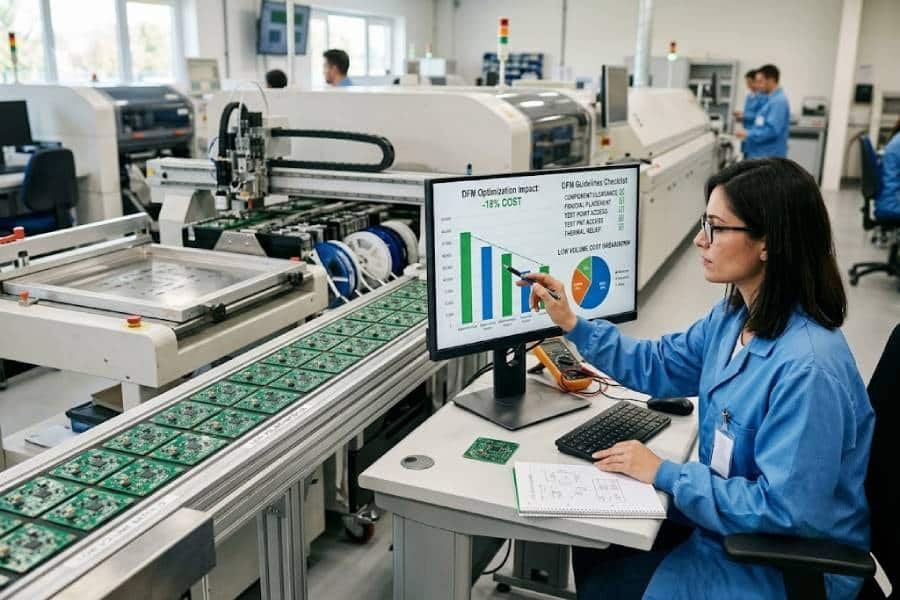
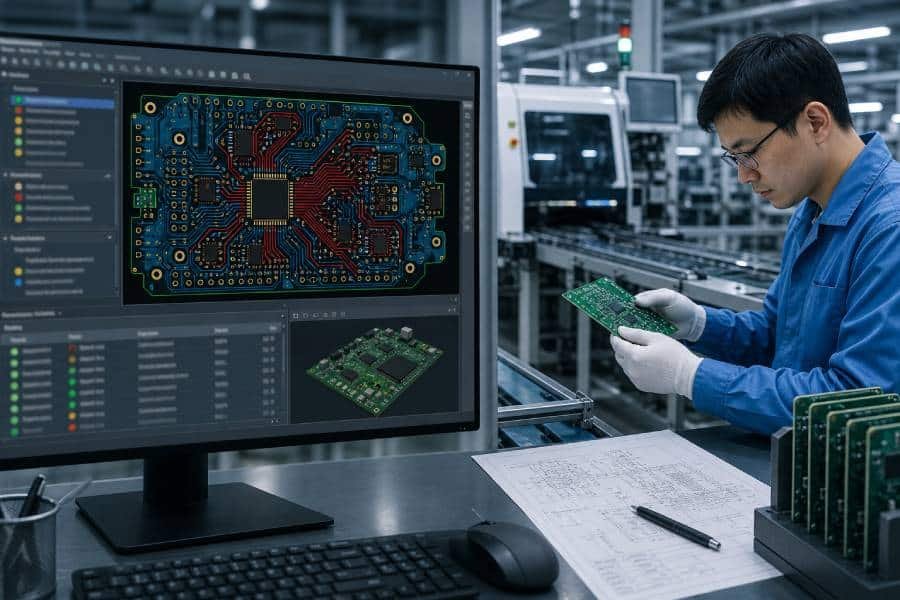
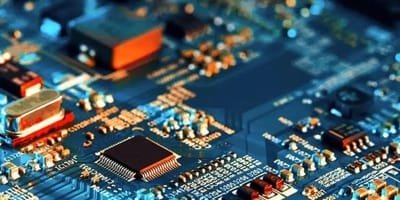
PCB Manufacturing
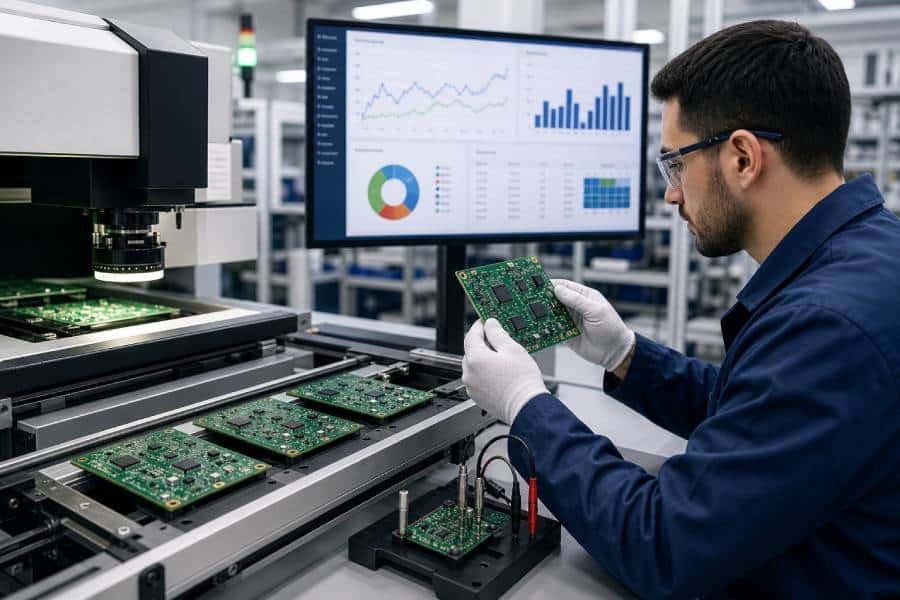
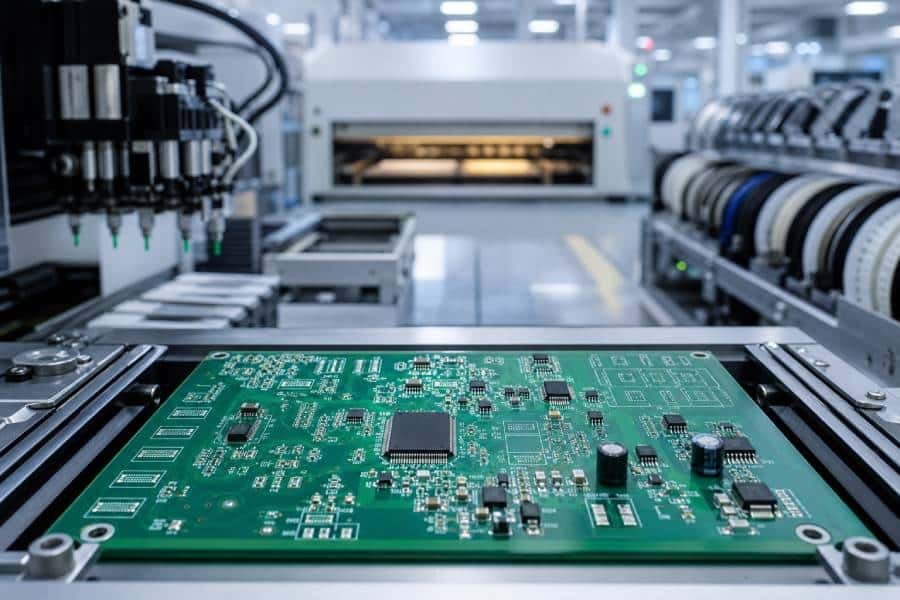
PCB Assembly
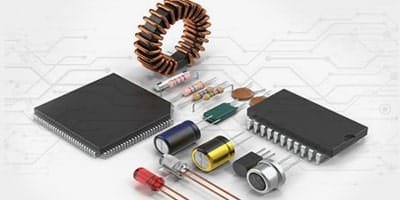
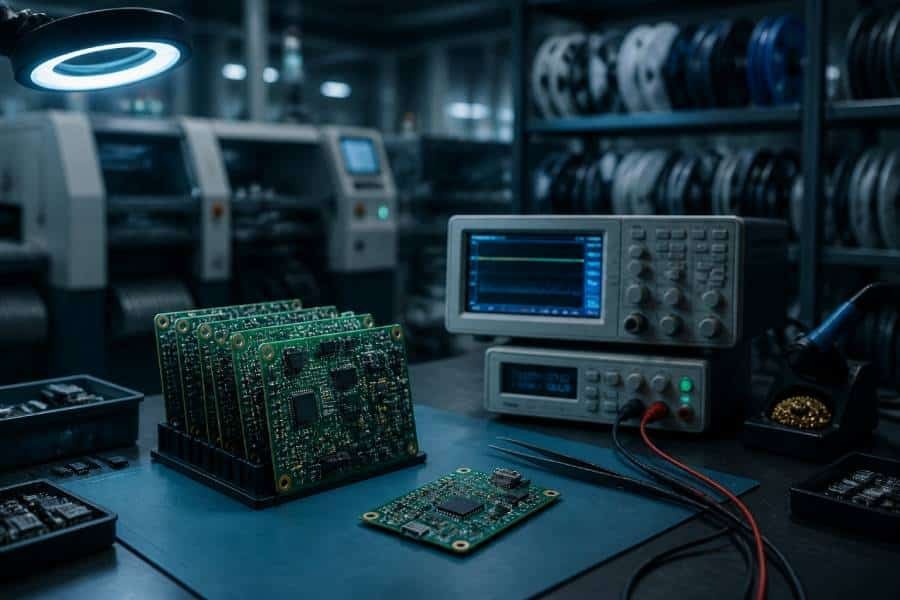
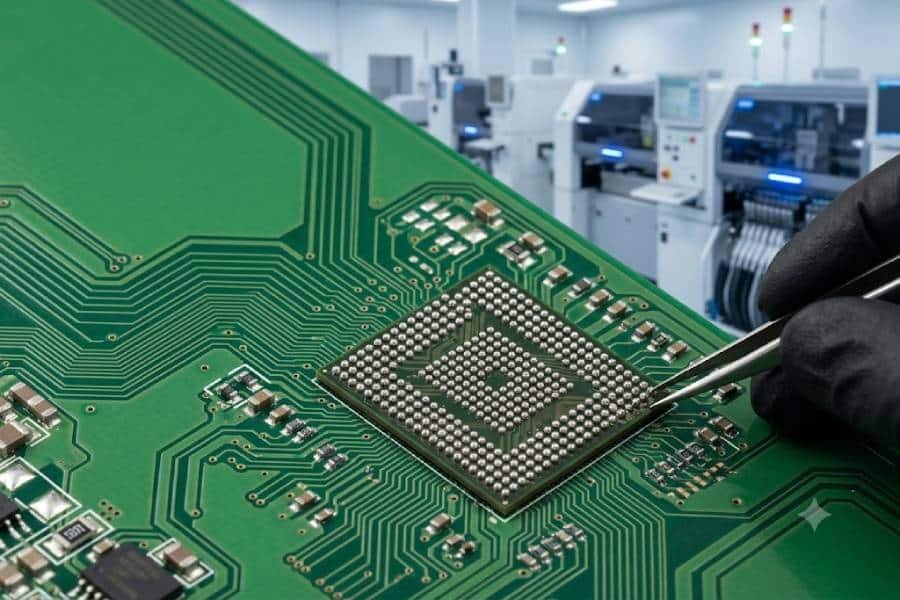
Components Sourcing
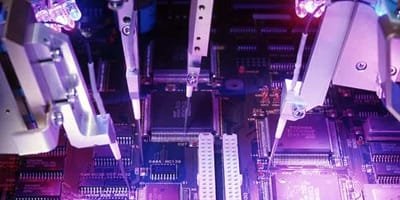
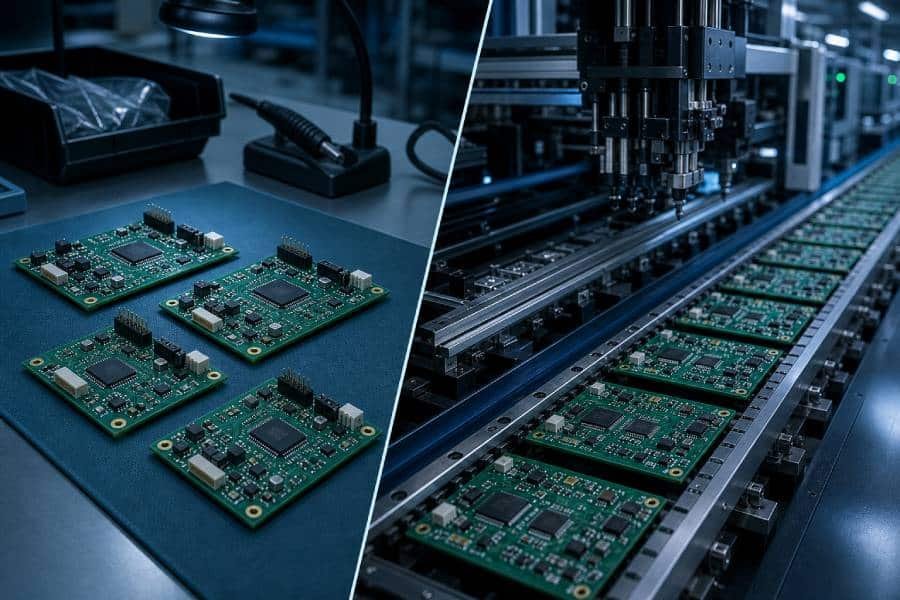
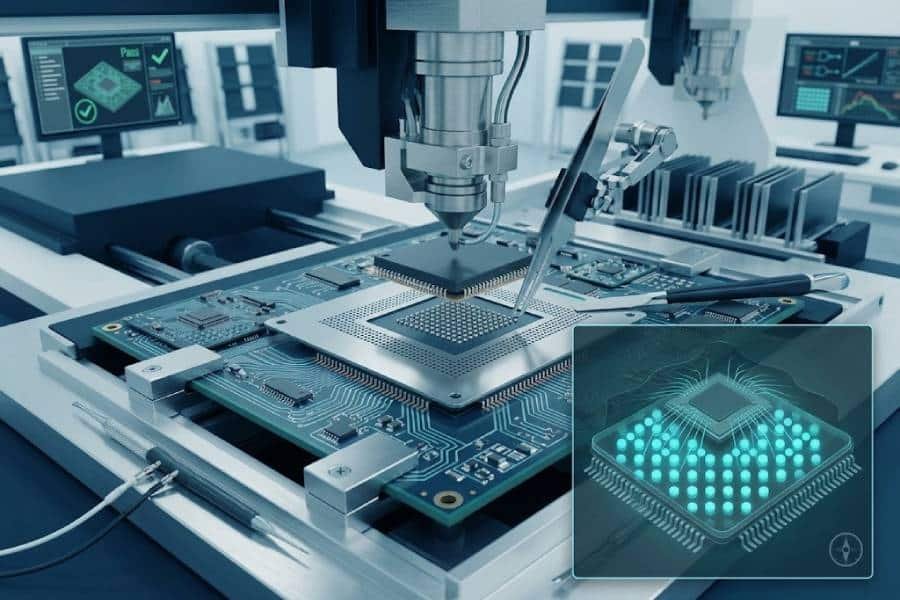
PCB Assembly Testing
What Happens After You Submit Your Files — Turnkey Assembly Workflow
Understanding the turnkey PCB assembly workflow helps you plan your project timeline and know what to expect at each stage. Once you submit your Gerber files, BOM and placement data, the process typically follows these key steps:
- Engineering & DFM Review — The engineering team checks your design for manufacturability, reviews the BOM for component availability and flags any risks such as hard-to-source parts, fine-pitch challenges or stackup concerns. You may receive questions or alternative part suggestions at this stage.
- PCB Fabrication — Bare boards are manufactured according to your stackup, materials and surface finish. For turnkey projects, fabrication typically takes 2–5 days depending on complexity.
- Component Sourcing — In full turnkey mode, the sourcing team purchases all components from authorized distributors and trusted suppliers. For partial turnkey, customer-supplied parts are received, inspected and matched to the BOM before assembly begins.
- SMT & Through-Hole Assembly — Automated SMT lines place components, followed by reflow soldering. Through-hole components are added using wave or selective soldering. Mixed-technology boards combine both processes.
- Inspection & Testing — AOI checks solder quality and placement accuracy. X-ray inspection is used for BGA and hidden-joint components. ICT and functional testing verify electrical performance before boards are approved for shipment.
- Packaging & Shipping — Finished boards are cleaned, packed and shipped via express courier. You receive assembled, tested boards ready for integration into your product.
The entire turnkey process — from file submission to delivered boards — typically takes 1–2 weeks for prototypes and small batches, depending on design complexity and component availability.
Turnkey PCB Assembly FAQ
In full turnkey PCB assembly, the service provider handles everything — PCB fabrication, all component sourcing, assembly, testing and shipping. In partial turnkey, you supply some components (typically critical or proprietary parts) while the provider fabricates the PCBs, sources the remaining components and completes assembly and testing.
You need Gerber files (RS-274X) for PCB fabrication, a complete BOM with part numbers and quantities, pick-and-place (centroid/XY) data for SMT assembly, and assembly drawings showing component orientation and any special process requirements. Stackup notes are also needed if your design involves impedance control or special materials.
Turnkey PCB assembly typically takes 1–2 weeks for prototypes and small batches. The actual lead time depends on PCB complexity, component availability and whether you choose full turnkey or partial turnkey. Full turnkey lead times are mainly driven by fabrication and sourcing, while partial turnkey also depends on how quickly you can supply your components.
Yes. In partial turnkey PCB assembly, you can provide specific components while the assembly partner sources the rest. Customer-supplied components should be clearly labeled and packaged, and the assembly team will perform incoming inspection to verify quantities and quality before production begins.
Turnkey PCB assembly typically includes AOI (Automated Optical Inspection) for solder quality and placement accuracy, X-ray inspection for BGA and hidden-joint components, and visual inspection. ICT (In-Circuit Testing) and functional testing are also available on request to verify electrical performance before shipment.
Turnkey PCB assembly pricing combines PCB fabrication cost, component procurement cost, assembly process cost (SMT/THT operations, setup, stencils), inspection and testing cost, and logistics cost into a single quotation. The total price depends on board complexity, BOM structure, order volume and required lead time. Requesting a quote with complete files is the most accurate way to get pricing for your specific project.