
Bare PCB Requirements for Lighting Products
PCBs for LED Lighting Applications
LED lighting products can use different boards for light sources, power conversion and control. PCBELEC manufactures custom bare PCBs to your specified construction, materials and acceptance requirements. Start by defining the role of each board in the lighting product.
Have a lighting PCB project? sales@pcbelec.com
Lighting Products & Board Roles
Identify the Board’s Role in the Lighting Product
A lighting product can contain more than the board carrying the LEDs. Separate light-source, driver and control requirements before choosing a manufacturing route or preparing the fabrication package.
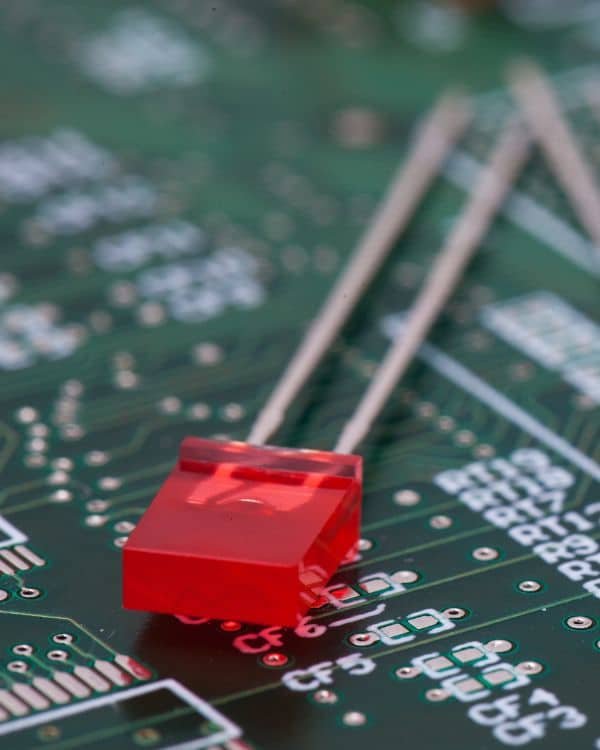
Bare Boards, Not Finished Lighting Products
PCBELEC manufactures the specified bare PCB. Circuit design, LED sourcing, component assembly, optical integration and finished-luminaire validation are separate from this manufacturing scope.
-
01
Light-Source Boards
Bare boards intended to carry the specified LED arrangement. Define the mounting pattern, board form and construction required by the lighting design.
Confirm: LED footprint geometry, outline, mounting holes, material system, thermal-interface dimensions and electrical requirements.
-
02
Driver & Power-Related Boards
Boards for the specified driver or power-conversion circuit. “Driver PCB” describes a function, not a complete material or manufacturing specification.
Confirm: stackup, copper, conductor and hole features, customer-defined spacing, insulation and acceptance requirements.
-
03
Control, Sensing & Connected Lighting Boards
Boards for dimming, sensing, interfaces or communication functions. Specify the actual circuit requirements rather than assuming every connected-lighting board needs the same construction.
Confirm: interfaces, routing density, materials, board format and any specified impedance or RF-related requirements.
Lighting Applications & Project Requirements
Define Requirements from the Lighting Application
Use the lighting application to identify the conditions that must enter the board specification. Then provide the actual construction, dimensions and acceptance requirements for each board in the product.
Swipe horizontally if needed to view all application requirements.
| Lighting Application | Information to Provide | What to Confirm for the Board |
|---|---|---|
| Indoor & Commercial Lighting | Board role, available space, mounting arrangement, connections and the approved relationship between the board and the luminaire structure. | Outline, thickness, hole positions, material requirements and mechanical tolerances. |
| Outdoor & Industrial Lighting | Installation location, enclosure conditions, relevant operating environment and customer-defined evaluation requirements. | Material and construction requirements, the evaluation object and which protective or validation activities sit outside bare-board fabrication. |
| Linear & Decorative Lighting | Rigid or flexible format, length and segmentation, mounting, connections and any specified bend conditions. | Board dimensions, separation features, panel format, connection areas and any coverlay or stiffener requirements. |
| High-Power & Specialty Lighting | Specified board construction, LED arrangement, thermal-interface geometry and required material, dielectric and electrical conditions. | The defined material system, copper, dimensions and acceptance limits. Keep board fabrication separate from complete-luminaire thermal validation. |
| Smart & Connected Lighting | Distribution of light-source, driver, sensing and control functions, with the relevant interfaces and circuit requirements. | Construction for each board, interconnections and any specified impedance, material or RF-related requirements. |
Application categories guide the requirement discussion; they do not establish a universal substrate, current rating, temperature rating, service life or finished-product protection level.
From Application Requirements to Fabrication
Connect the Board Role to a Manufacturing Route
Use the specified design to choose the next manufacturing resource. Light-source, driver and control functions do not by themselves establish a substrate, layer count or fabrication process.
Looking for LED Board Manufacturing Details?
Continue to the LED PCB service page for manufacturing options and fabrication information. Use this application page to define which requirements belong to each board in the lighting product.
-
01
Specified Metal-Base Light-Source Boards
If the drawing calls for a metal-base construction, define the complete material system, copper, dielectric, dimensions and interface conditions. Do not use the base-metal name alone as a thermal specification.
-
02
Rigid Driver & Control Boards
For designs specifying rigid or multilayer construction, provide the stackup, materials, copper, holes and critical electrical or mechanical requirements. Keep circuit function separate from the construction description.
-
03
Specified Flexible Formats & Connections
If a flexible board or connection is specified, define its shape, stackup, bend conditions, connection areas, coverlay and any stiffeners. A linear lighting format alone does not establish a flex requirement.
-
04
Materials & Approved Alternatives
Use a named grade, approved list or measurable criteria. Identify the property being specified and the relevant construction conditions. State whether alternatives require approval before use.
These routes guide further review; they are not a universal selection rule for lighting products. Additional constructions should be identified in the fabrication package and reviewed against the actual design.
Board Acceptance & Product Validation
Separate Bare-Board Acceptance from Luminaire Validation
Define the evidence needed for the manufactured board separately from evaluation of the assembled lighting product. Keep the test object, acceptance limits and responsibility clear.
Manufacturing Scope
Bare-Board Acceptance
Confirm the requirements for the delivered PCB against the released fabrication package and accepted order scope.
Geometry & Interfaces
Outline, thickness, hole positions, mounting features, connection areas and specified dimensional tolerances.
Materials & Construction
Approved material system, copper, dielectric and stackup conditions, with any substitution restrictions.
Electrical & Inspection Requirements
Customer-defined electrical, insulation and inspection criteria, including the method, limits and records where specified.
Identification & Delivery Records
Board and revision references, required markings, packaging and documentation connected to the accepted build.
Separate Project Activities
Assembly & Luminaire Validation
These activities are outside the bare-board service described here. They require their own defined objects, conditions and acceptance criteria.
Component Assembly & Function
LED and component installation, assembly processes, protective treatments and assembled-circuit functional evaluation.
Complete Thermal Performance
Evaluation of the assembled thermal path, interfaces, heat sink and operating conditions of the lighting product.
Optical & Environmental Performance
Light output, color performance and enclosure or environmental protection requirements for the finished product.
Safety & Lifetime Evaluation
Applicable product-level safety, operating-life and compliance assessments are not established by routine bare-board inspection.
Identify additional tests and documentation during inquiry. Confirm their accepted scope before production rather than inferring complete-luminaire performance from bare-board records.
Explore PCB Testing & Inspection →Lighting Project Information & Inquiry
Prepare Your LED Lighting PCB Project
Turn the application requirements into a clear fabrication package. Identify the board role, project stage and mandatory conditions so the manufacturing inquiry refers to the actual design.
-
01
Identify the Board and Project Stage
State whether the inquiry concerns a light-source, driver, control or combined board. Identify preliminary, evaluation or released production data clearly.
-
02
Submit the Fabrication Requirements
Provide the files, drawings, construction and acceptance criteria. Separate fixed requirements from alternatives that may be proposed for customer review.
-
03
Confirm the Build Before Release
Resolve engineering questions and align the revision, quantity, delivery format and required records. Carry approved changes into the fabrication package for the next build.
Include These Details with Your Inquiry
Board Role & Revision
Light-source, driver, control or combined function, with the current revision and project stage.
Fabrication Files
Gerber and drill data, fabrication drawings and any required stackup documentation.
Geometry & Interfaces
Outline, mounting holes, connection areas, panel format and critical interface dimensions.
Materials & Construction
Material system, copper, thickness, specified dielectric conditions, finish, solder mask and markings.
Acceptance & Records
Governing criteria, inspection requirements and any separately requested evaluation or reports.
Quantity & Delivery
Order quantity, packaging, destination, target dates and any planned repeat builds.
LED Lighting PCB Application FAQ
Clarify the Board Requirements Behind the Lighting Product
Answers about board roles, application requirements and the boundary between bare-board manufacturing and finished-lighting product validation.
Need a project-specific answer?
sales@pcbelec.comWhat does a PCB do in an LED lighting product?
A PCB provides the circuit interconnections and component mounting areas specified for its role in the product. That role may concern the light source, driver, power conversion, sensing or control.
These functions may be distributed across several boards or combined in one design. Identify the actual arrangement before defining the fabrication requirements.
Are LED light-source boards and driver boards the same?
Not necessarily. A light-source board carries the specified LED arrangement, while a driver board relates to the circuit supplying and controlling the required electrical output. Some designs integrate these functions.
The function names do not define the material system, layer count or manufacturing process. Specify those details for the actual board.
Do all LED lighting products require metal-core PCBs?
No. Select the construction from the circuit, mechanical and thermal requirements of the particular board. A lighting product may contain different constructions for its light-source, driver and control functions.
Where a metal-base construction is specified, provide the complete material system and acceptance requirements rather than only requesting an “LED metal-core board.”
Does an aluminum or copper base alone define thermal performance?
No. The base-metal name does not define the complete board construction or assembled thermal path. Identify the material system, dielectric conditions, copper, geometry and interface requirements.
Distinguish a material property from complete-board or luminaire performance. The finished thermal arrangement requires its own design and evaluation conditions.
What should be specified for linear or flexible lighting boards?
Define whether the design is rigid or flexible, then provide the length, outline, segmentation, mounting, connections and delivery format. A linear product shape alone does not establish a flex requirement.
For flexible constructions, include the stackup, bend locations and conditions, coverlay, connection areas and any required stiffeners.
Does an outdoor lighting requirement give the bare PCB an IP rating?
No. A luminaire's enclosure protection requirement should not be presented as a protection rating automatically assigned to its bare PCB.
Specify the board's actual material, construction and evaluation requirements separately. Enclosure protection, assembly treatments and finished-product testing are distinct activities.
What information is needed for a lighting PCB inquiry?
Provide the board role, project stage, Gerber and drill data, fabrication drawing, revision and specified construction. Include dimensions, materials, copper, finish and any critical interface requirements.
State acceptance criteria, requested records, quantity, delivery format, destination and target dates. Mark preliminary information and substitution restrictions clearly.
Where can I review LED PCB manufacturing capabilities?
Visit our LED PCB manufacturing page for service and fabrication information. This application page focuses on defining board roles and project requirements.
PCBELEC's scope here is custom bare PCB manufacturing, not component sourcing, assembly or finished-luminaire validation. Assembly inquiries can use the PCBJHY referral in the site footer.