High Tg PCB Material
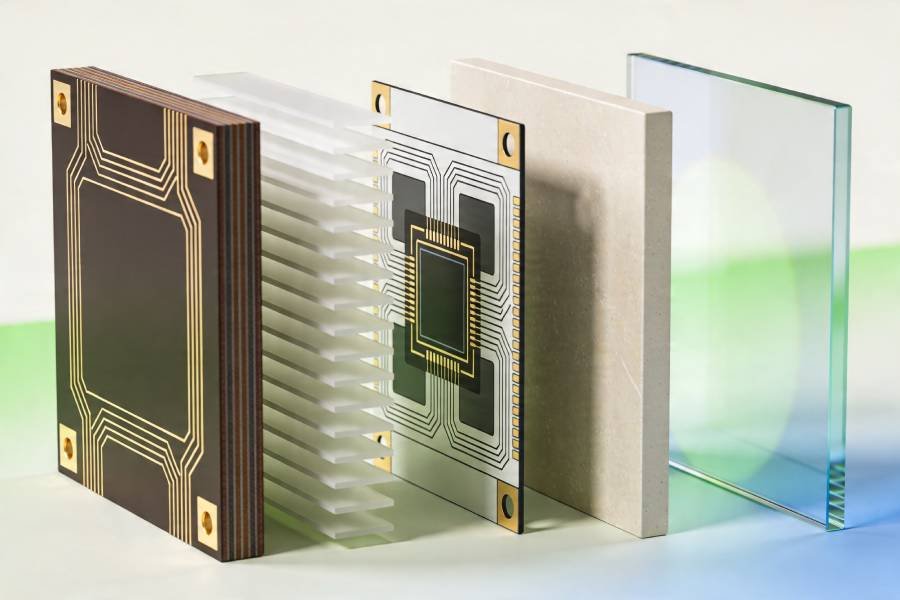
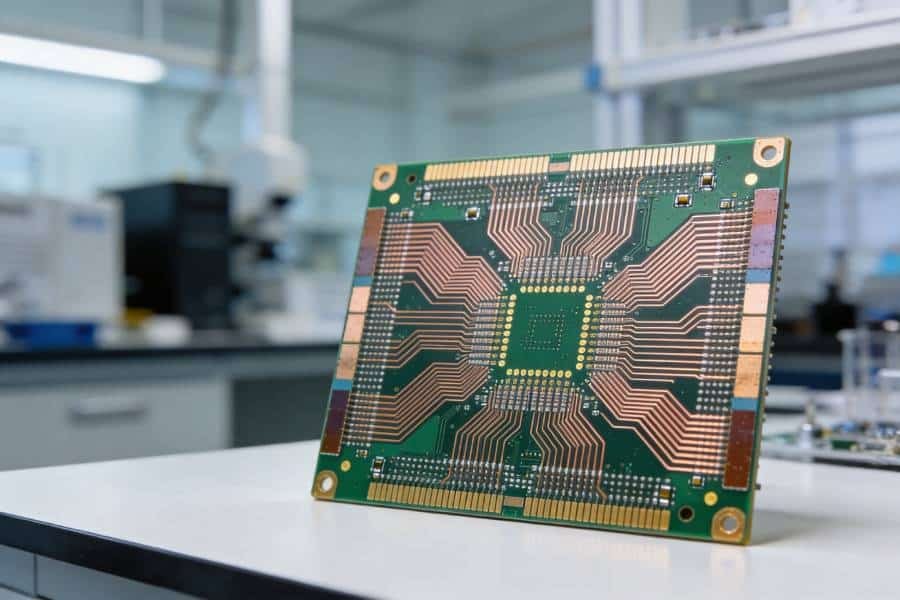
High Tg PCB material is used when a PCB needs better thermal stability, dimensional control, and reliability under elevated processing or operating temperatures. It is commonly selected for lead-free assembly, multilayer boards, and applications where standard FR-4 may not provide enough thermal margin.
High Tg PCB materials are typically laminates with a Tg of 170°C or above and are widely used where higher thermal reliability is required in PCB fabrication.
What Is High Tg PCB Material?
The glass transition temperature, or Tg, is the temperature at which a PCB laminate resin begins to shift from a rigid, glass-like state to a softer, more rubber-like state. Below this temperature, the material remains relatively stable; above it, dimensional and mechanical behavior can change more significantly under heat.
High Tg PCB material is designed to maintain better structural stability at elevated temperatures. In PCB manufacturing, materials with a Tg of 170°C or above are commonly referred to as High Tg materials, although exact ranges may vary by laminate system and supplier.
Standard FR-4 vs High Tg PCB Material
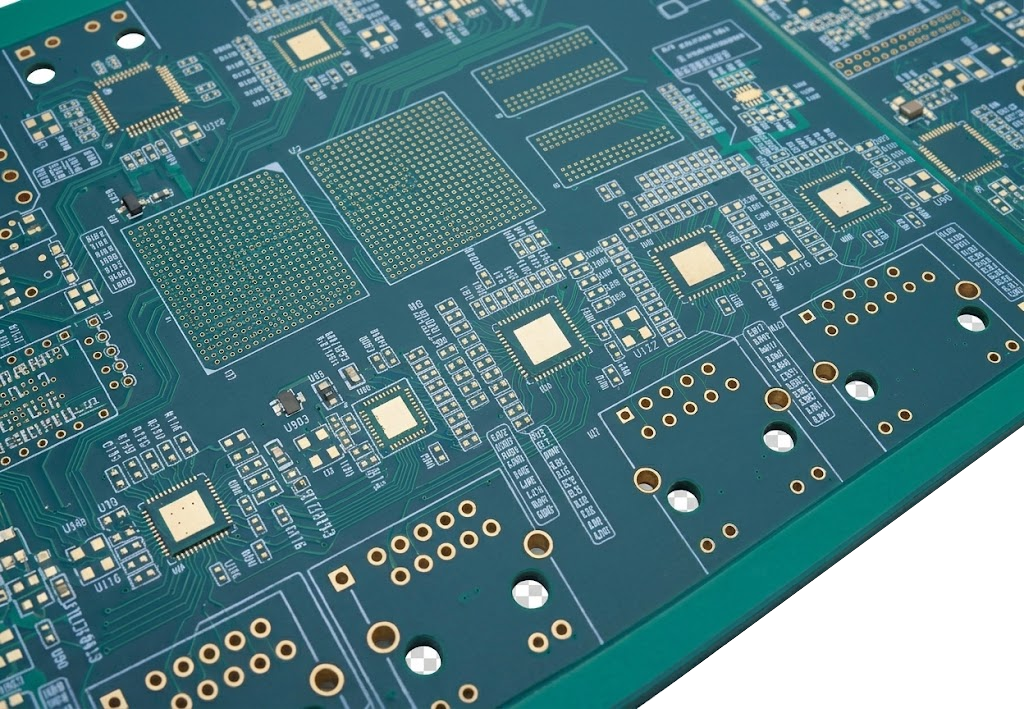
Not every PCB requires High Tg material. However, when fabrication temperatures, thermal cycles, layer count, or long-term reliability become more demanding, High Tg laminates can provide a better process and performance margin.
| Property | Standard FR-4 | High Tg PCB Material |
|---|---|---|
| Typical Tg range | 130–150°C. | 170°C or above. |
| Thermal stability | Suitable for many standard electronics. | Better for elevated thermal stress and repeated heating. |
| Z-axis expansion | Higher expansion risk under heat. | Lower expansion and improved dimensional control. |
| Lead-free assembly | May be sufficient in some builds. | Commonly preferred for higher-temperature lead-free processing. |
| Typical use | General electronics and standard builds. | Multilayer, industrial, automotive, and other high-reliability boards. |
For a broader material overview, you can also visit our PCB Materials page and our FR-4 PCB Material page.
When to Choose High Tg PCB Material
High Tg material is usually considered when the thermal and mechanical demands of the PCB make standard FR-4 less reliable over fabrication or service life. It is especially useful when the temperature margin of standard material starts to become too narrow for the assembly process or the end-use environment.
Lead-Free Assembly
Lead-free soldering typically involves higher reflow temperatures, so High Tg FR-4 is often selected to provide better thermal margin during assembly.
Multilayer PCB Structures
Boards with more layers can benefit from better dimensional stability and lower stress through the stackup during thermal cycling.
High Operating Temperatures
If the PCB will operate in a hotter environment, High Tg material can help maintain structural stability more effectively than standard FR-4.
Industrial and Automotive Use
Industrial controls, power electronics, and automotive systems often face higher and more variable temperatures, making High Tg materials a common choice.
Improved Reliability Margin
Where reduced warpage, lower delamination risk, and better via reliability matter, High Tg material can offer a more robust fabrication option.
Key Properties to Review Beyond Tg
Tg is important, but it should not be the only parameter used for PCB material selection. A better engineering decision also considers how the laminate behaves under real fabrication and operating conditions.
- Tg: Indicates when the resin system begins to change state under heat.
- Td: Helps indicate thermal decomposition resistance at higher temperatures.
- CTE: Lower expansion, especially in the Z-axis, can support better multilayer reliability.
- Delamination resistance: Important for repeated thermal cycles and long-term durability.
- Moisture resistance: Can matter in some demanding environments and processing conditions.
- Cost-performance balance: The right material should match the application without unnecessary over-specification.
Common High Tg Material Manufacturers and Laminate Grades
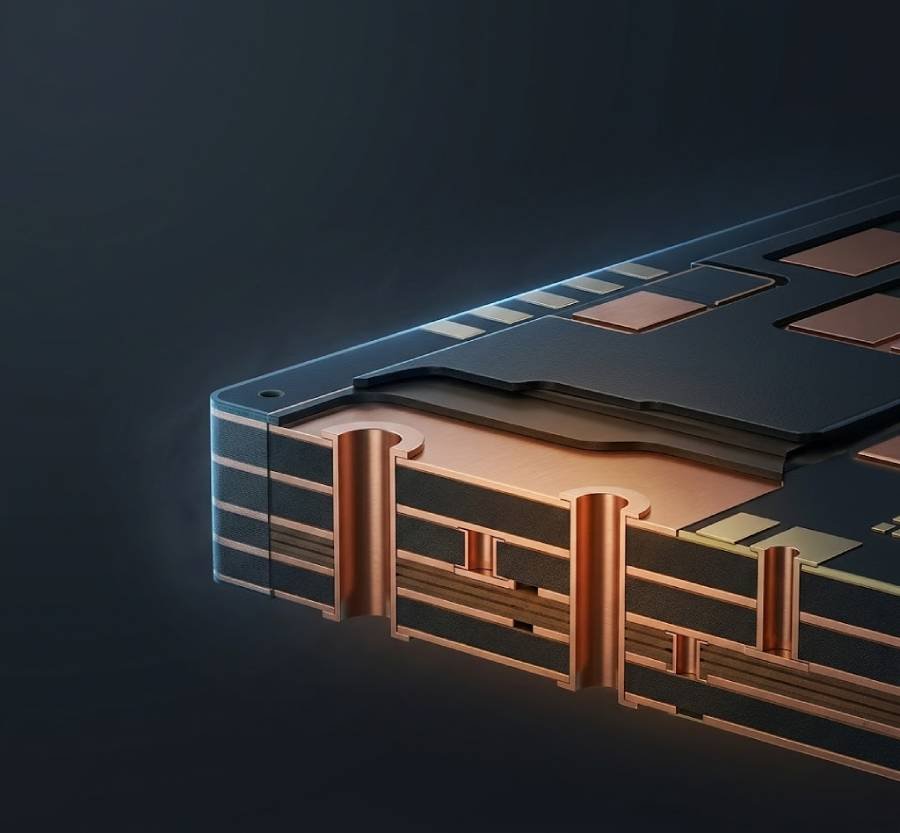
High Tg PCB material is not limited to a single supplier or product family. In practice, engineers and buyers may encounter different High Tg laminate brands and grades depending on the thermal target, reliability requirement, processing condition, and sourcing preference.
The examples below are common market references only. Final material selection should always be based on actual stackup, fabrication requirements, approval needs, and availability at the time of quotation.
| Manufacturer | Example Material Grade | Typical Tg Reference | Notes |
|---|---|---|---|
| Isola | FR370HR | 180°C. | Common High Tg laminate reference for reliability-focused designs. |
| Isola | I-Speed | 180°C. | Often referenced where thermal and electrical performance both matter. |
| Isola | I-Tera MT40 | 200°C. | Higher-performance laminate family. |
| Nelco | N4000-13SI | 210°C. | Used in higher-reliability laminate discussions. |
| Nelco | N4800-20 | 180°C. | Common High Tg example. |
| Shengyi | S1000-2 | 170–180°C class. | Frequently cited for lead-free and industrial applications. |
| TUC | TU-768 | 180°C. | Often referenced for lead-free and multilayer boards. |
| ITEQ | IT-180A | 175°C. | Used for high-reliability multilayer and HDI applications. |
| Panasonic | R-1755V | 180°C. | Example of a High Tg laminate family. |
| Ventec | VT-47 | 180°C. | Common High Tg FR-4 reference in industrial and telecom contexts. |
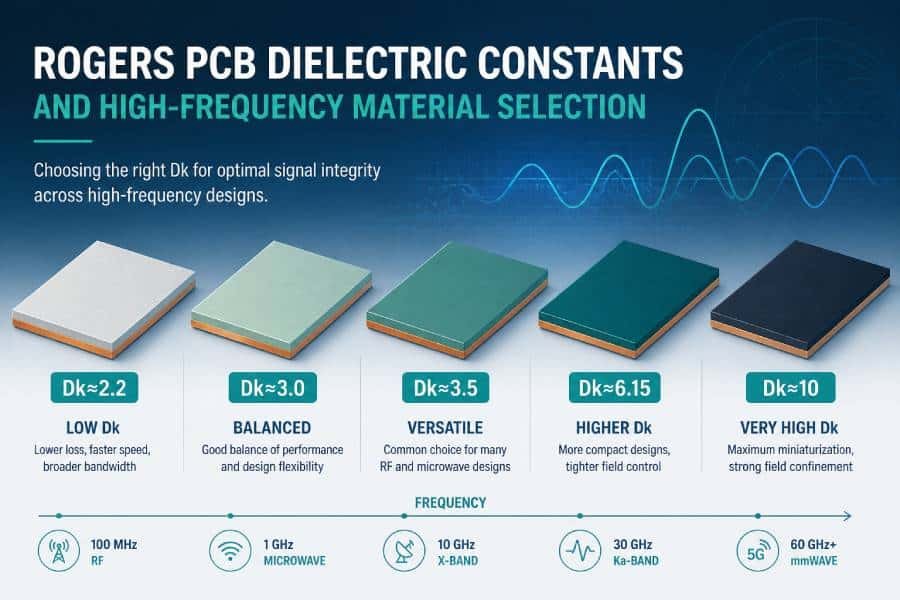
High Tg is not automatically a high-frequency material. High Tg laminates are selected primarily for improved thermal stability, dimensional control, and reliability under heat. If your design also has high-speed digital, RF, or microwave requirements, the material should additionally be evaluated for dielectric constant stability, dissipation factor, and frequency-specific signal-loss performance.
If your design also involves high-frequency performance requirements, see our RF / High Frequency PCB Materials page separately.
Applications of High Tg PCB Material
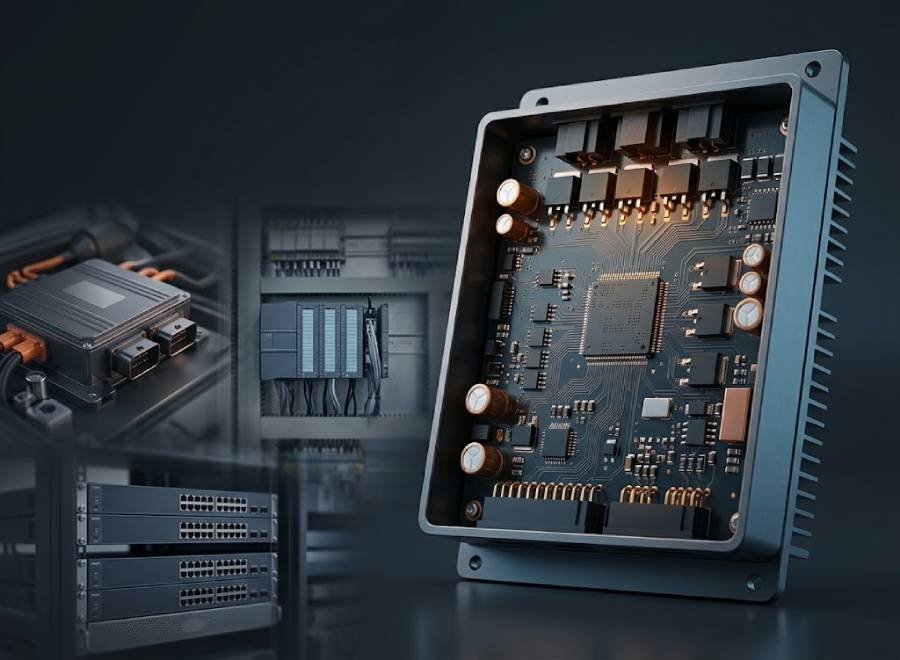
High Tg PCB materials are commonly used in electronics that must maintain performance and reliability under higher thermal stress. They are often selected in industries where fabrication conditions, operating temperatures, or long-term reliability expectations are more demanding than standard consumer-level requirements.
- Automotive electronics.
- Industrial control systems and automation equipment.
- Power supplies and power conversion systems.
- Communication infrastructure and network equipment.
- LED and thermally stressed electronic assemblies.
- Aerospace, defense, and other high-reliability sectors.
Our High Tg PCB Fabrication Support
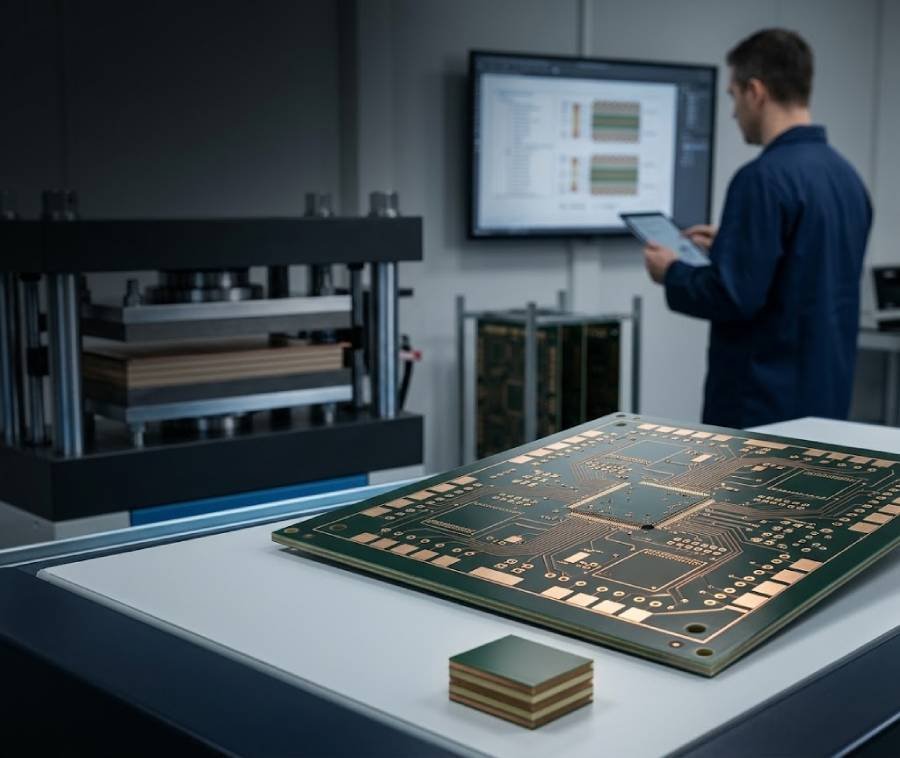
We support PCB fabrication projects that require material selection based on temperature resistance, stackup design, and reliability requirements. High Tg materials can be considered for custom multilayer boards and other builds where additional thermal margin is needed.
For RFQ review, it is helpful to provide Gerber files, layer count, finished board thickness, copper weight, target material or Tg requirement, and any known assembly or operating temperature conditions. This helps align material selection with the actual PCB fabrication and performance target.
FAQ
High Tg PCB material usually refers to a laminate with a glass transition temperature of 170°C or above, although exact classification may vary by supplier and product family.
High Tg is commonly chosen for lead-free assembly, multilayer boards, elevated operating temperatures, and applications where higher thermal reliability is required.allpcb+2
High Tg FR-4 is one common type of high temperature PCB material, but some applications may require other laminate systems depending on performance needs.
Not always. Tg is important, but Td, CTE, delamination resistance, and actual processing conditions should also be considered.
Yes. Material review can be based on your specified brand, approved grade, thermal target, or application requirement, subject to sourcing availability and fabrication suitability.
Need Help Selecting the Right High Tg PCB Material?
If your project involves elevated temperatures, multilayer structures, or lead-free assembly requirements, material selection should be reviewed early in the PCB fabrication process. Send us your files and requirements for a faster technical review and quotation.