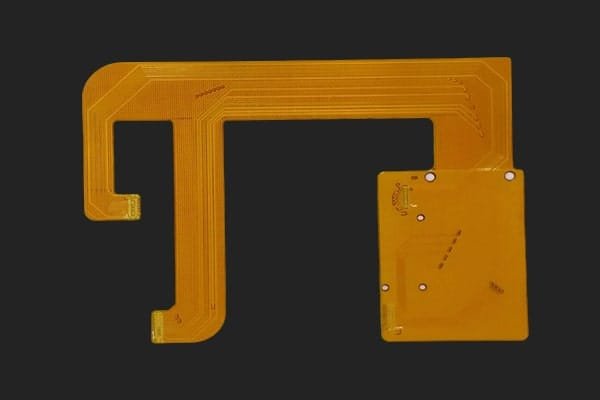
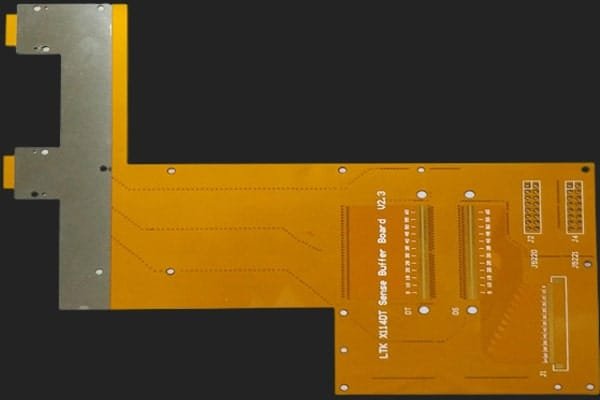
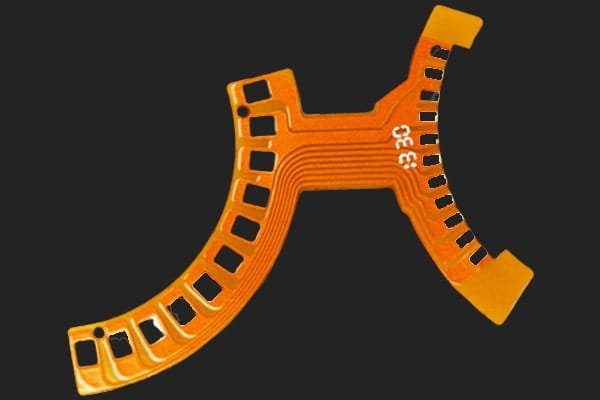
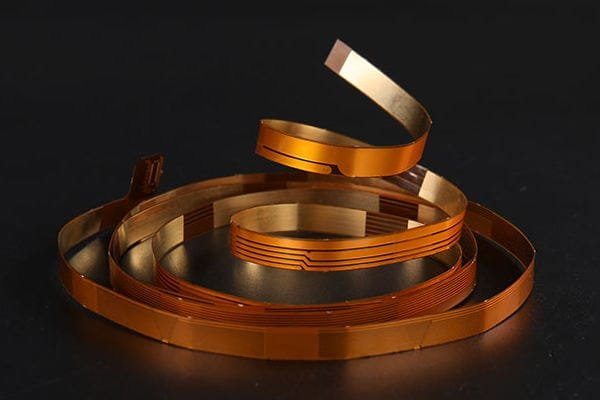
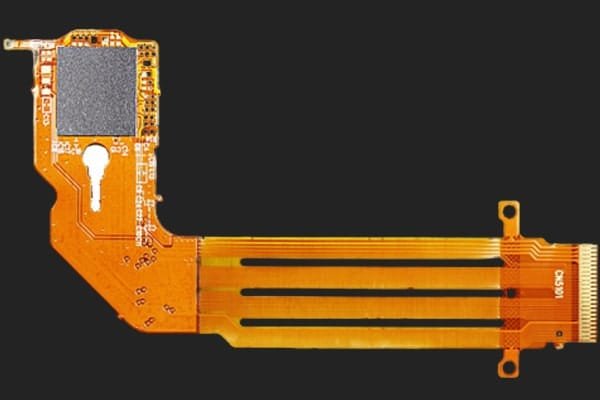
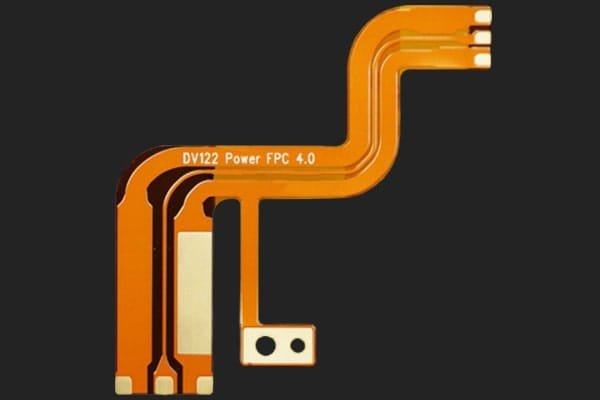
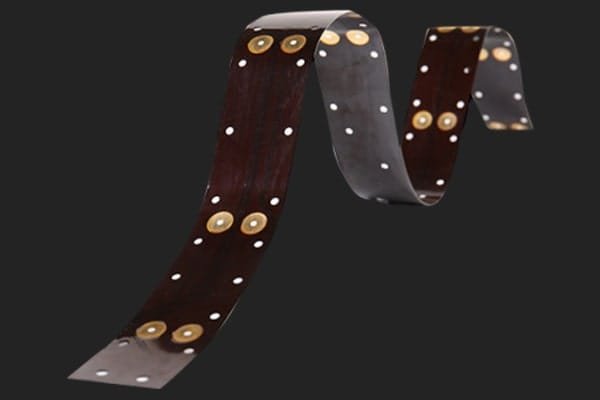
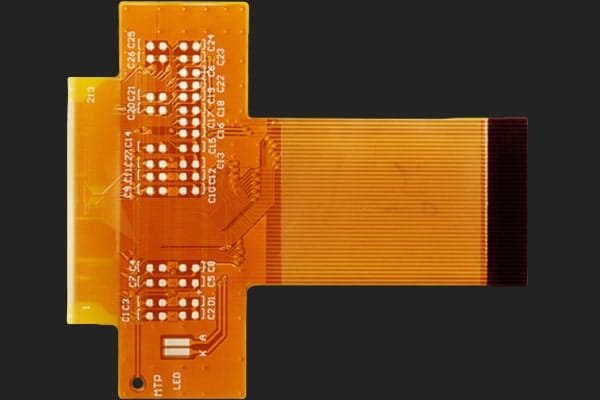


Flexible PCB Manufacturer & Flex PCB Fabrication

Custom single-layer, double-sided, and multilayer flexible PCBs for prototypes and production with fast turnaround and stable quality.

As a dedicated flexible PCB manufacturer in China, JHYPCB supports complex flex and rigid-flex designs for demanding applications.

Rapid-turn flexible PCB manufacturing from prototype to volume production. Get your flex PCB quote in 24 hours — backed by ISO 9001, UL, and RoHS compliance.

Flexible PCB Manufacturing Capabilities

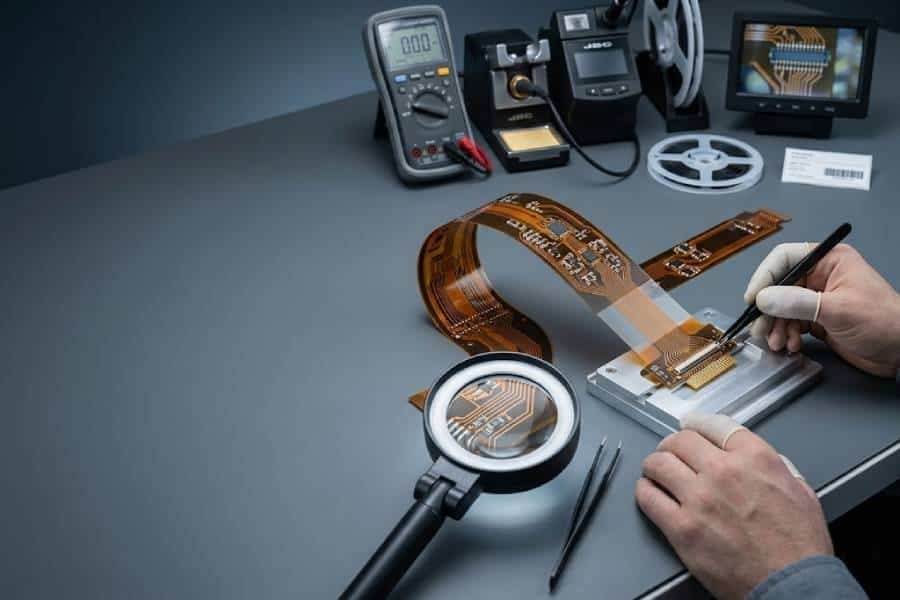
JHYPCB provides flexible PCB manufacturing for prototype and production projects, including single-layer, double-sided, multilayer flex PCB, and rigid-flex PCB solutions. We support quick-turn orders, low-volume builds, and stable production with controlled processes to meet a wide range of technical and commercial requirements.

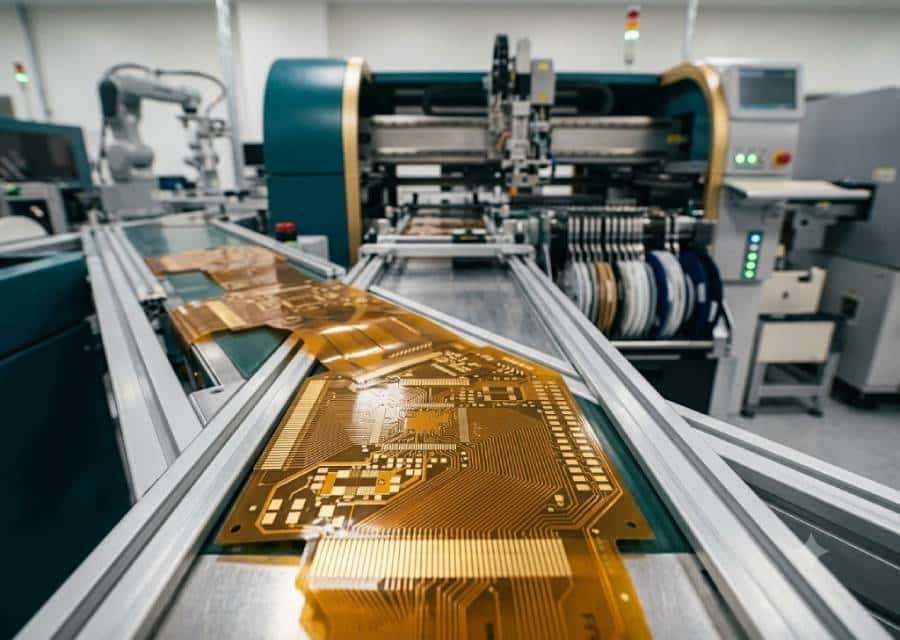
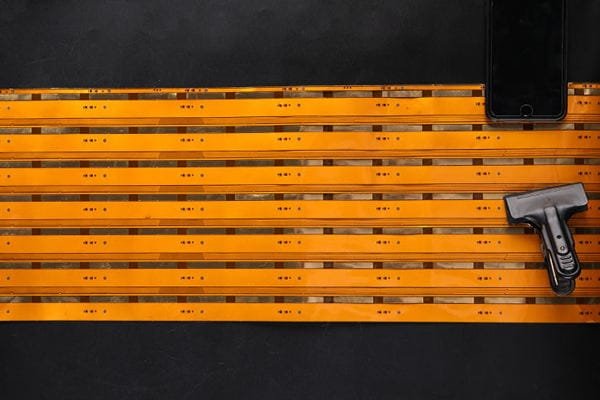
Close-up of a polyimide flexible PCB with fine copper traces and gold ENIG pads on a precision manufacturing conveyor belt inside a clean automated fabrication facility.

What Our Capabilities Mean for Your Project

  • Support for single-layer, double-sided, multilayer flex PCB, and rigid-flex PCB projects from prototype to production.
  • Stable material options and surface finishes to support reliable assembly and long-term product performance.
  • Technical capability suitable for compact, complex, and space-constrained flex PCB applications.
  • Quick-turn prototype service, low MOQ support, and controlled manufacturing processes for faster project execution.

Key Flexible PCB Capabilities

  • Layers
    1–8 layer flexible PCBs, including single-layer, double-sided, and multilayer flex constructions.
  • Base Material
    Polyimide (PI) and other flexible laminates for flex PCB and rigid-flex PCB manufacturing.
  • Board Thickness
    Typical flexible PCB thickness from 0.05 mm to 0.4 mm for standard flex designs.
  • Copper Thickness
    Copper thickness options from 0.5 oz to 2 oz to support different electrical and mechanical requirements.
  • Minimum Trace / Space
    Line width and spacing down to 3/3 mil for fine-feature flexible PCB fabrication.
  • Surface Finish
    ENIG, OSP, Immersion Tin, and other finish options based on assembly and application needs.
Flexible PCB Manufacturing

Flex PCB Materials and Finish Options

Selecting the right materials and surface finish is essential for flex PCB reliability, bending performance, solderability, and long-term product stability. JHYPCB supports a range of flexible PCB material options and finish selections to match different application, assembly, and performance requirements.

Base Materials

Polyimide (PI) is the most widely used base material for flexible PCB fabrication because of its heat resistance, flexibility, and long-term reliability. For projects with different cost or performance priorities, you can also review our guide to PI vs. PET for flexible PCBs.

Copper Thickness Options

Copper thickness affects current capacity, flexibility, and circuit durability in flexible PCB designs. We support copper thickness options from 0.5 oz to 2 oz to match different electrical and mechanical requirements.

Coverlay and Circuit Protection

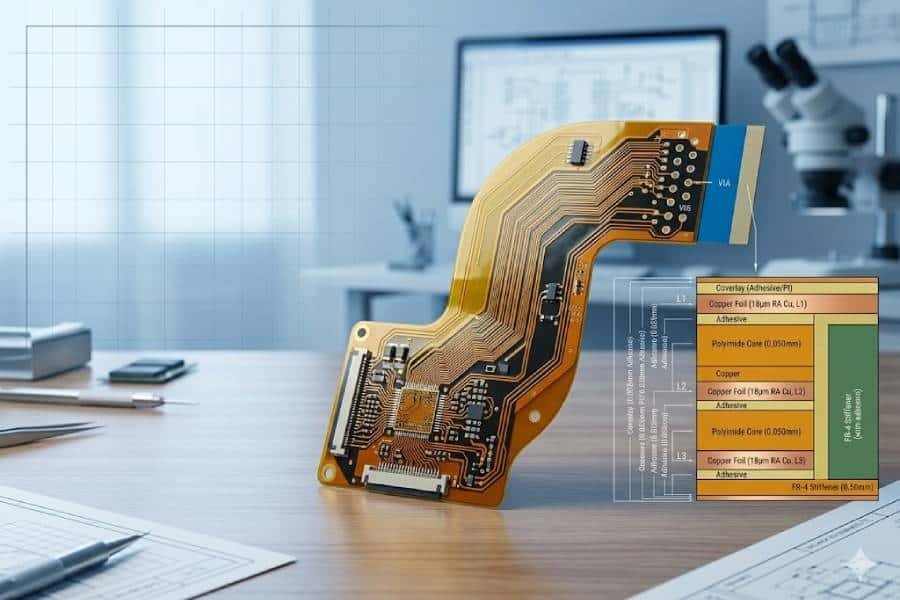
Coverlay helps protect flex PCB traces while maintaining bending performance and electrical insulation. To better understand material combinations, see our overview of flexible PCB materials, coverlay, and adhesives.

Surface Finish Options

We offer flexible PCB surface finish options such as ENIG, OSP, and Immersion Tin to support solderability, assembly performance, and storage requirements. The right finish depends on your assembly process, product use environment, and reliability expectations.

Stiffeners and Reinforcement

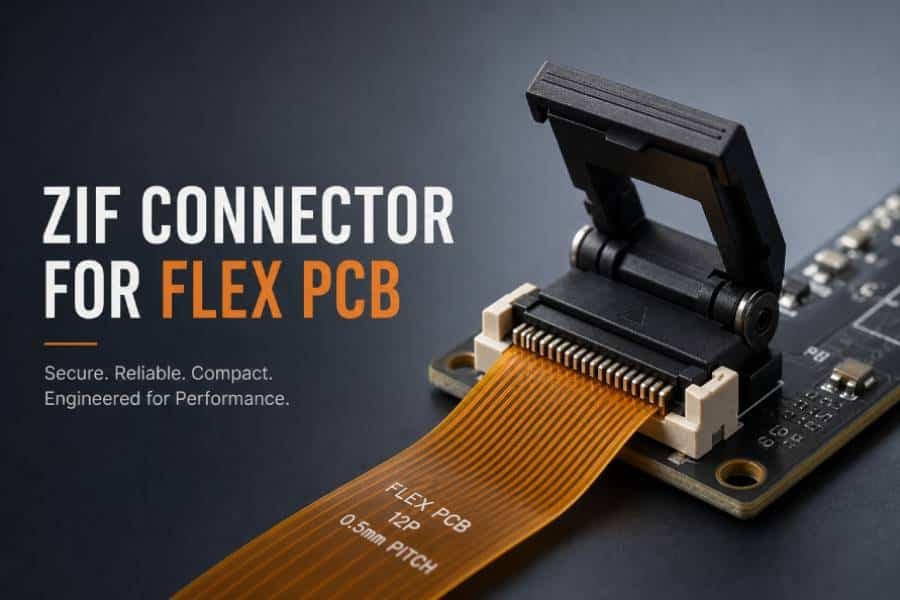
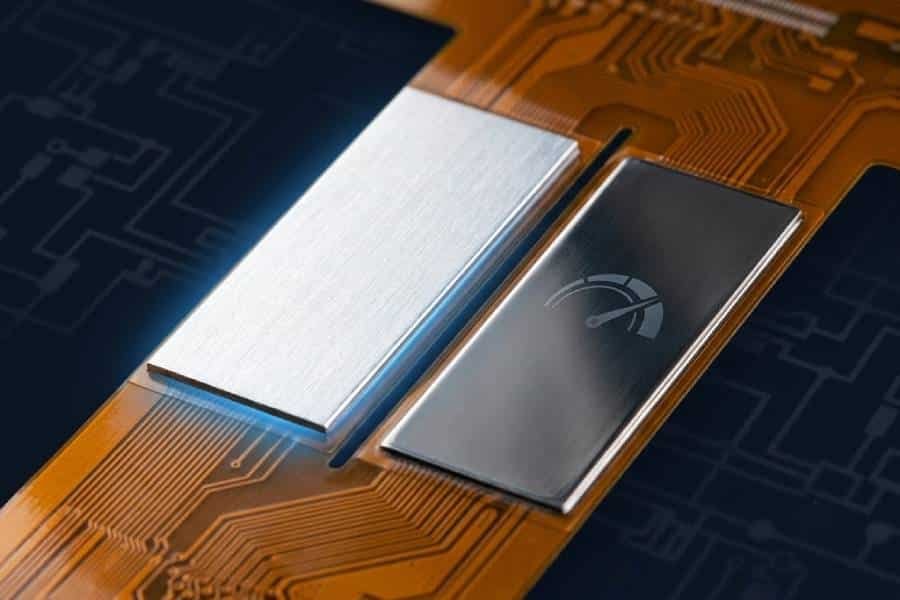
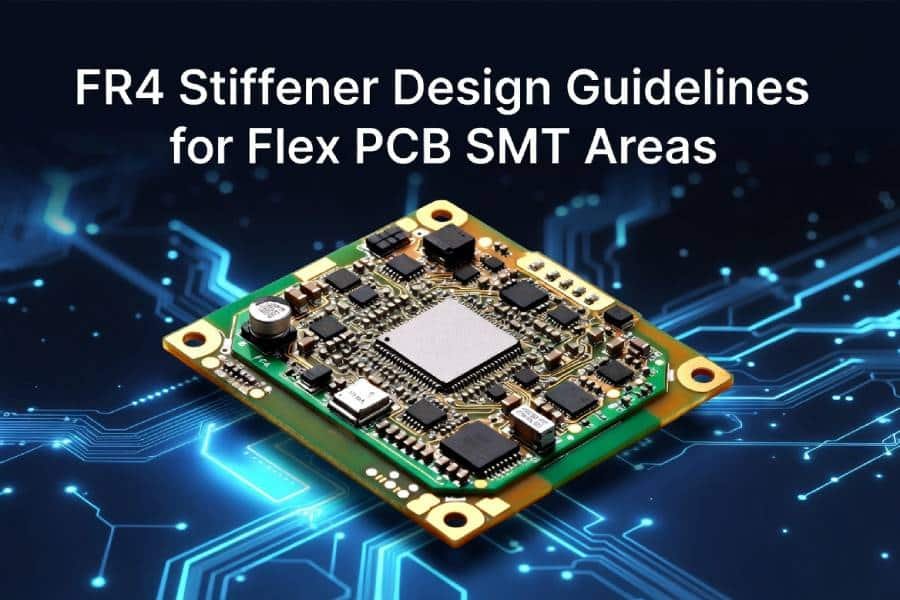
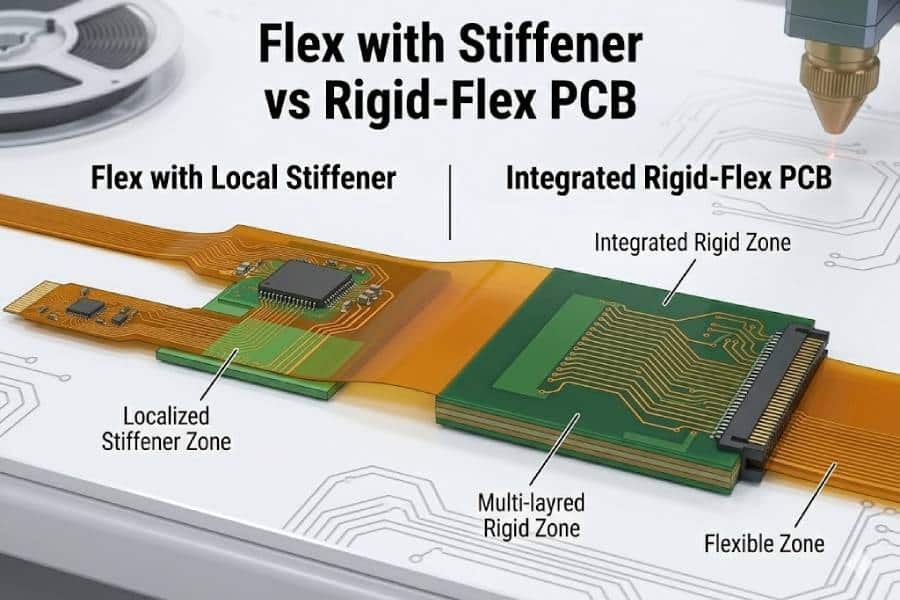
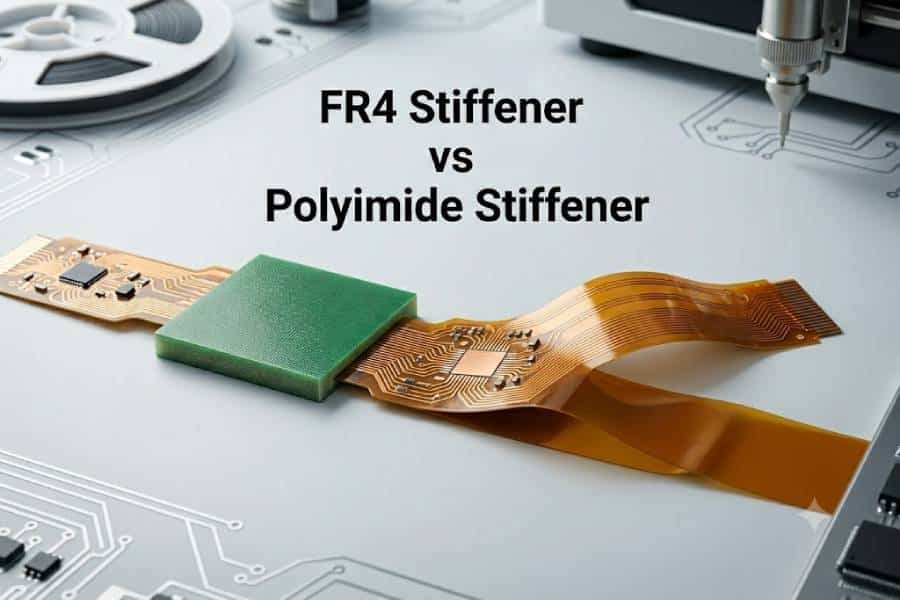
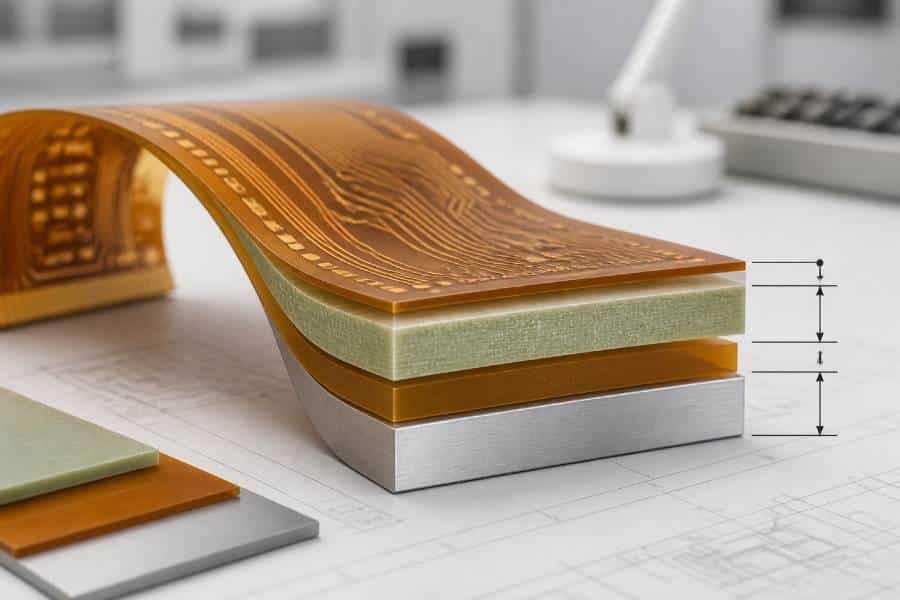
Stiffeners are commonly added to connector areas and component locations that need extra support during assembly and use. For more detail, read our article on flex PCB stiffener bonding methods.

Adhesive and Custom Constructions

Different applications may require different adhesive systems or adhesiveless constructions depending on flexibility, thickness, and reliability targets. For a deeper comparison, see adhesive vs. adhesiveless flex PCB constructions.

Types of Flexible PCBs We Manufacture

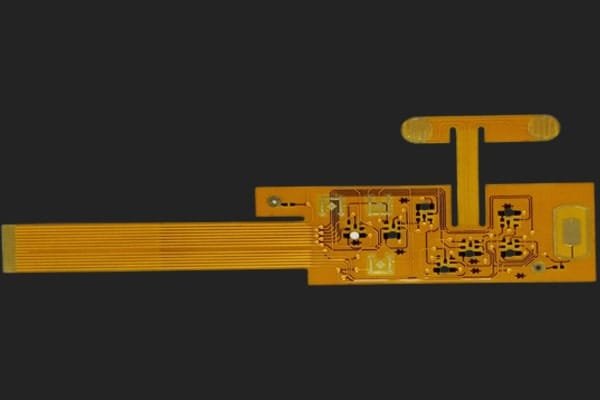
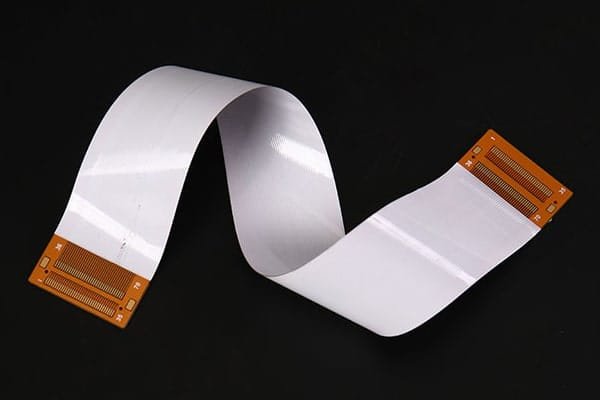
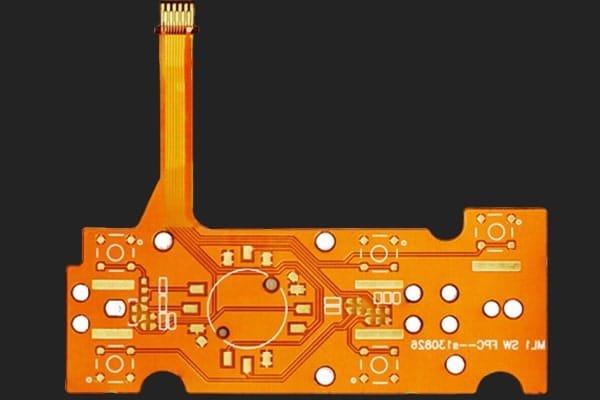
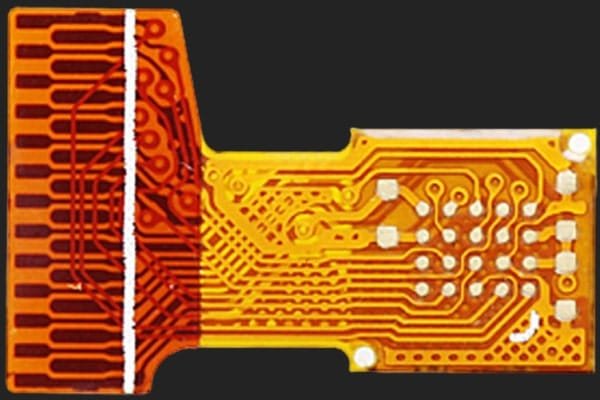
Whether you need a single-layer flex prototype for quick validation or a multilayer rigid-flex PCB for high-reliability production, JHYPCB supports over 200+ flex PCB designs each month with stable lead times and consistent quality. From simple single-layer flex PCB to complex multilayer flexible PCB and rigid-flex PCB solutions, our flexible PCB manufacturing services cover a wide range of applications.

Single Layer Flexible PCB

Single-Layer Flex PCB

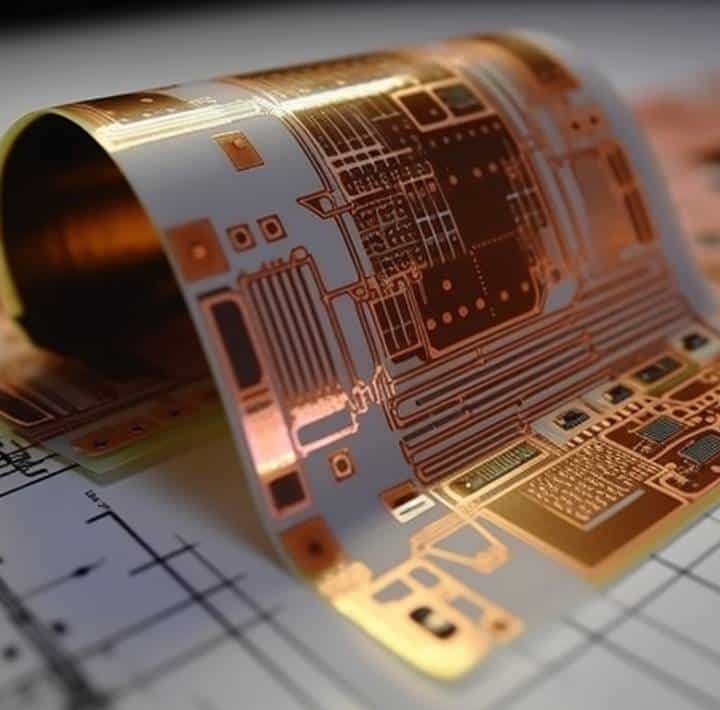
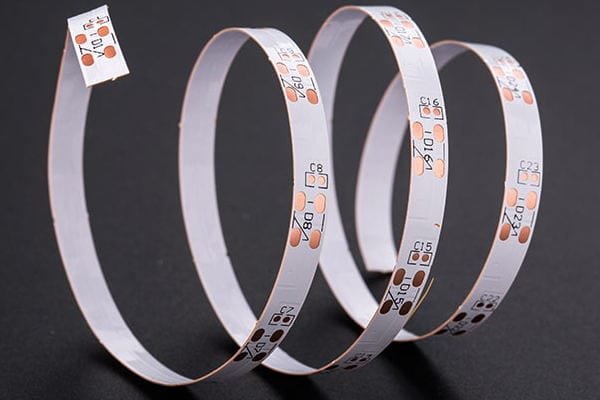
Single-layer flexible PCBs use one copper layer on a flexible polyimide base and are ideal for simple interconnections, LED strips, and cost-sensitive applications. JHYPCB offers single-layer flex PCB prototypes and production with stable flexible PCB fabrication quality.

Double Sided Flex PCB

Double-Sided Flex PCB

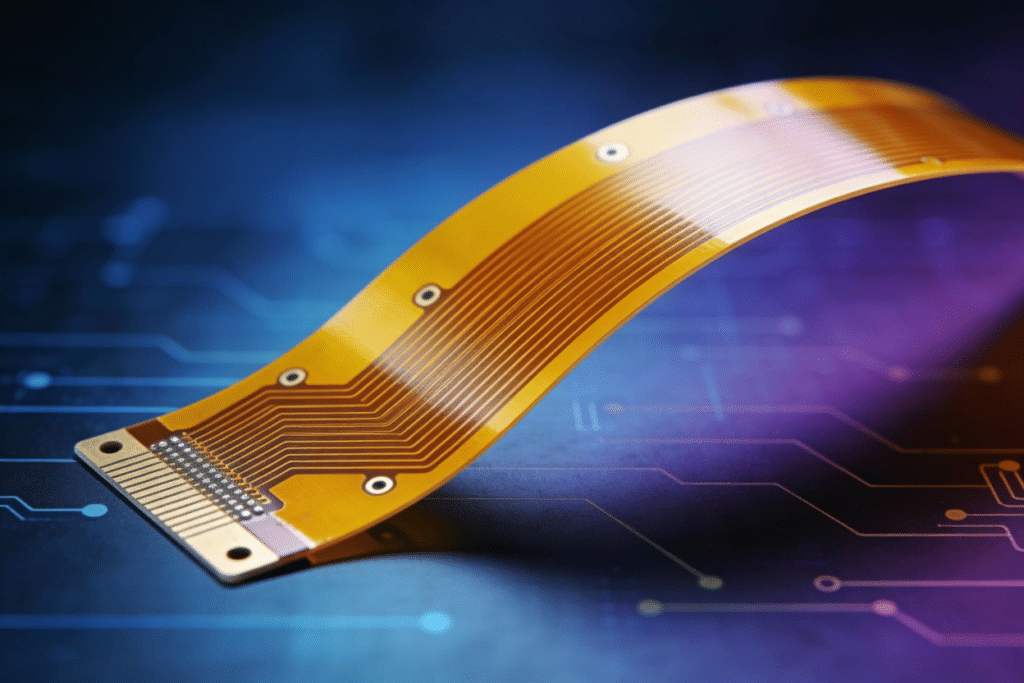
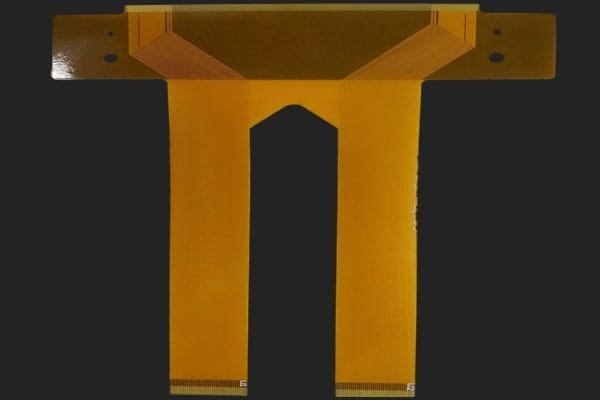
Double-sided flex PCBs have copper on both sides of the flexible substrate and plated-through holes to connect the circuits, enabling more complex layouts and higher component density. Our double-sided flexible PCB manufacturing supports quick-turn prototypes and small to medium production runs.

Multilayer Flex PCB

Multilayer Flexible PCB

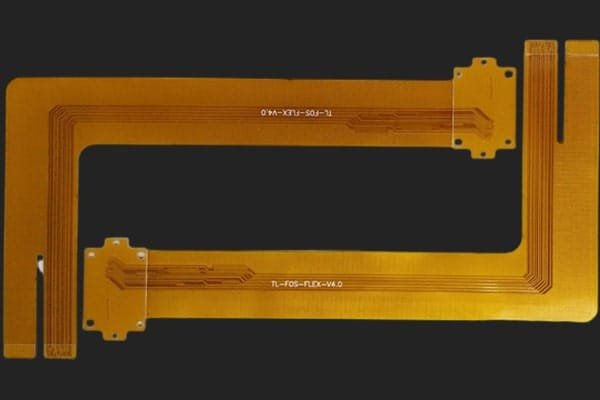
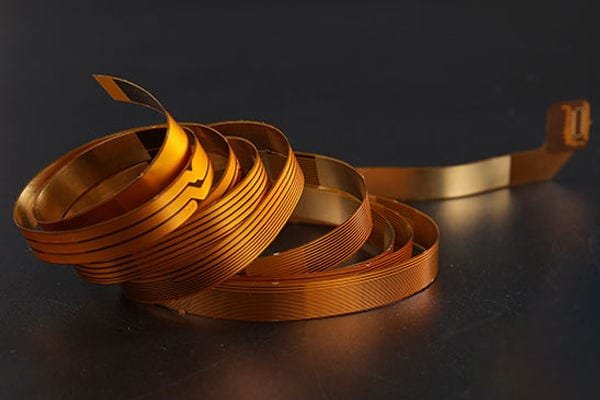
Multilayer flexible PCBs stack three or more conductive layers separated by insulating films, providing high routing density for compact and complex electronics. JHYPCB’s multilayer flexible PCB fabrication is suitable for advanced devices that require controlled impedance and reliable dynamic bending performance.

Rigid-Flex PCB

Rigid-Flex PCB Solutions

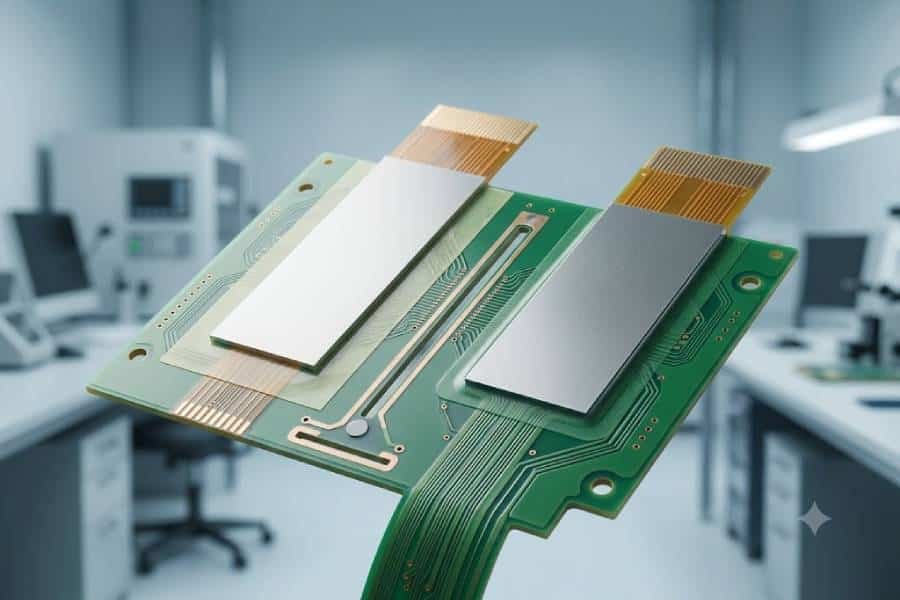
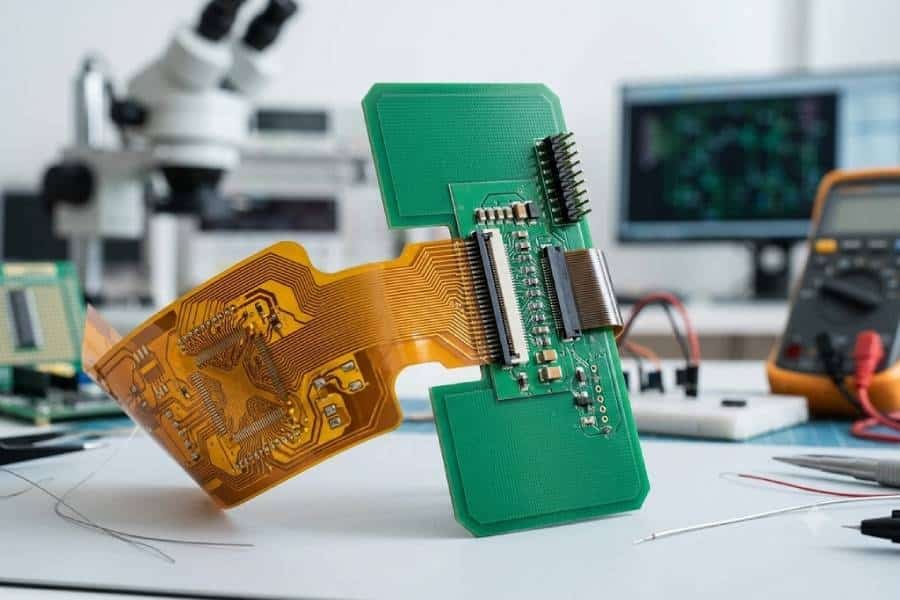
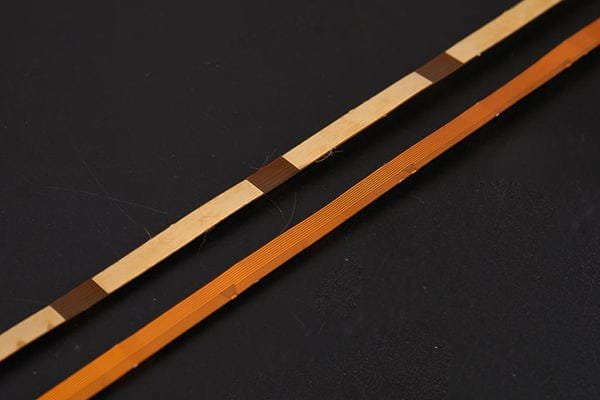
Rigid-flex PCBs combine rigid FR4 sections with flexible PCB layers to create a single, robust interconnect structure, reducing connectors and improving reliability. As a flexible PCB manufacturer with rigid-flex PCB capabilities, JHYPCB supports 1–12 layer rigid-flex PCB designs for space-constrained and mission-critical applications.

Flexible PCB Applications

Flexible PCBs are widely used in compact, lightweight electronic products where space efficiency and dynamic bending capabilities are essential. Below are key industries where our flexible PCB manufacturing solutions excel.

Flexible PCB used inside consumer electronics such as smartphones and cameras, showing bending flex circuits for compact interconnections.
Consumer Electronics
Our flexible PCB designs are ideal for smartphones, tablets, cameras, and smart home devices that demand ultra-thin, lightweight, and highly reliable interconnections in space-constrained layouts. These flex PCB solutions maintain excellent signal integrity while enabling sleek, slim product forms that modern consumers expect.
Flexible PCB applied in wearable and medical devices, with bending flex circuits suitable for body-worn sensors and compact medical electronics.
Wearable & Medical Devices
Flex PCB technology enables compact, comfortable wearable and medical devices that can bend and conform to the human body's natural shape. From body-worn health sensors and fitness trackers to portable medical monitoring equipment, our flexible circuit boards support the strict biocompatibility and reliability requirements of healthcare applications.
flexible pcb automotive industrial electronics
Automotive & Industrial Electronics
Flexible PCBs for automotive and industrial use are engineered to withstand harsh operating conditions including continuous vibration, extreme temperature cycling, and long-term mechanical stress. Typical applications include instrument clusters, control modules, sensor arrays, and in-vehicle infotainment systems where reliability is non-negotiable.
flexible pcb telecom data communication
Telecom & Data Communication
In telecom infrastructure and data centers, flex PCB interconnects play a critical role in routing high-speed signals through tight spaces and complex three-dimensional structures. Our flexible printed circuits support antennae, communication modules, and high-density interconnect (HDI) designs that demand precise impedance control and minimal signal loss.

Flexible PCB Manufacturing Process & Quality Control

Flexible PCB manufacturing follows a precise process from material preparation and circuit imaging to surface finish and final testing. JHYPCB applies strict process control and comprehensive inspection at each key step to ensure reliable flexible PCB and rigid-flex PCB performance.

Flexible PCB Manufacturing Process

Step 1

Material Preparation & Cutting

Flexible copper-clad laminates and coverlay materials are inspected and cut to size according to the flex PCB design requirements.

Step 2

Drilling & Hole Metallization

Precision drilling creates vias and holes, followed by copper plating to form reliable interlayer connections for single, double-sided, and multilayer flexible PCBs.

Step 3

Circuit Imaging & Etching

Photoresist imaging transfers the circuit pattern to the copper, and controlled etching removes unwanted copper to form accurate flex PCB traces and pads.

Step 4

Coverlay Lamination & Surface Finish

Coverlay is laminated to protect the flexible circuits, and surface finishes such as ENIG or OSP are applied for good solderability and long-term reliability.

Step 5

Profiling, Forming & Final Inspection

Flexible PCBs are routed or punched to final shape, formed if required, and then undergo electrical test and visual inspection before packaging and shipment.

Flexible PCB Quality Control

Step 1

Incoming Material Inspection

All flexible PCB base materials, coverlays, and chemicals are checked for thickness, adhesion, and appearance before entering production to prevent defects from the source.

Step 2

In-Process AOI & Electrical Test

Automated optical inspection verifies trace width, spacing, and registration after circuit etching, followed by 100% electrical testing to detect opens and shorts.

Step 3

Reliability & Bending Performance Checks

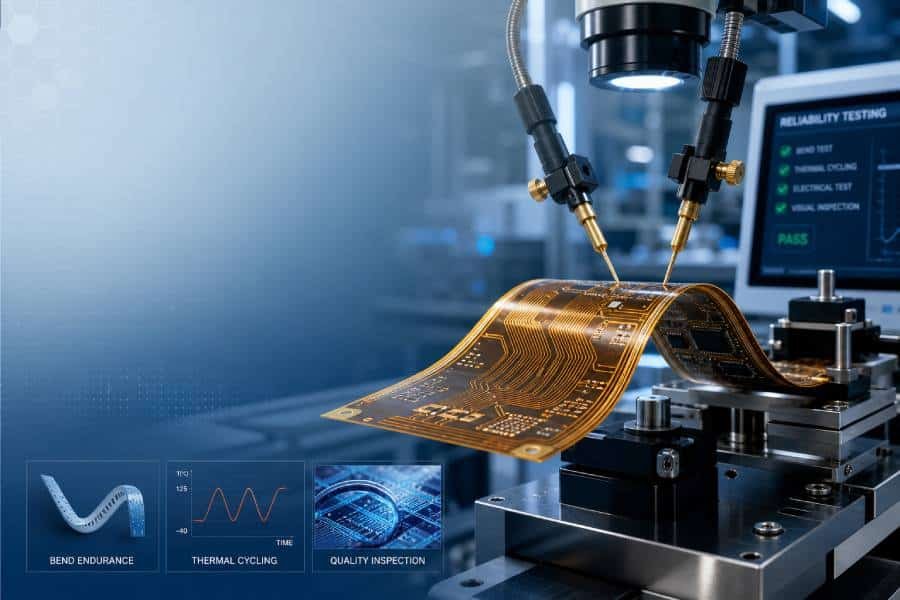
All flexible PCBs undergo dynamic bending tests to verify circuit integrity after repeated flexing — typically ranging from 10,000 to 100,000 bending cycles depending on the application. Additional reliability tests include thermal shock cycling (-40°C to +125°C), solderability verification, and peel strength measurement for coverlay and copper adhesion. These checks ensure our flex PCBs meet IPC-6013 Class 2 and Class 3 quality standards for automotive, medical, and industrial applications.

Step 4

Final Inspection & Packaging

Before shipment, flexible PCBs undergo final visual inspection and sampling tests, and are packed with moisture and ESD protection for safe global delivery.

Why Buyers Choose JHYPCB
for Flex PCB Manufacturing

From quick-turn flex PCB prototypes to stable volume production, JHYPCB helps buyers reduce sourcing risk with responsive engineering support, controlled manufacturing processes, and dependable delivery. We support single-layer, double-sided, multilayer flex PCB, and rigid-flex PCB projects for customers who need both quality and speed.

Quick-Turn Prototype Support

We provide fast flexible PCB prototype service to help you validate designs, shorten development cycles, and respond quickly to project changes. For urgent flex PCB projects, our team reviews files quickly and confirms manufacturability before production.

Stable Manufacturing Quality

Our flexible PCB manufacturing process follows strict control from incoming material inspection to AOI, electrical testing, and final inspection. This helps ensure consistent flex PCB quality for both prototype and repeat production orders.

Engineering Support for Flex and Rigid-Flex

Our engineers assist with stack-up suggestions, material selection, and DFM review for flexible PCB and rigid-flex PCB projects. Early technical support helps reduce redesigns, improve reliability, and avoid avoidable production issues.

Flexible Capability Range

We support single-layer, double-sided, and multilayer flexible PCB fabrication, as well as rigid-flex PCB solutions for compact and demanding applications. This gives buyers one manufacturing partner for a wider range of flex circuit requirements.

Cost-Effective China Manufacturing

As a flexible PCB manufacturer in China, JHYPCB combines scalable production capacity with competitive pricing and practical process control. Buyers can balance cost, lead time, and product reliability without compromising core requirements.

Reliable Communication and Quote Review

We review Gerber or ODB++ files together with your specifications to provide clearer quotation feedback and production guidance. Better pre-production communication helps reduce misunderstandings on material, thickness, surface finish, and special flex PCB requirements.

Prototype to Production Workflow

From initial quotation to volume delivery, JHYPCB follows a clear flex PCB project workflow to help customers move faster with fewer communication gaps. Our team supports each stage with manufacturability review, production coordination, and quality control to keep your flexible PCB project on schedule.

Step1:
Send Files and Project Requirements

Share your Gerber, ODB++, or PDF files together with key flex PCB specifications such as layer count, material, thickness, quantity, and surface finish. Clear project information helps us review your flexible PCB requirements more accurately from the beginning.

Step 2:
DFM Review and Quotation Confirmation

Our engineering team reviews your files for manufacturability and checks important details before production. This step helps confirm the flex PCB structure, identify possible issues early, and provide a clearer quotation with the right manufacturing options.

Step 3:
Prototype Fabrication

After quotation approval, we start flexible PCB prototype production based on your confirmed files and specifications. Quick-turn prototype service helps you validate the design, test assembly compatibility, and reduce development risk before larger orders.

Step 4:
Sample Approval and Process Validation

Once prototypes are received, customers can verify fit, function, and assembly performance in the target application. Feedback from this stage helps finalize production details and reduce the chance of delays or changes during mass production.

Step 5:
Volume Production and Delivery

After prototype approval, we move your project into stable flex PCB production with controlled manufacturing processes and final inspection. JHYPCB supports repeat orders and volume delivery with consistent quality, lead time management, and export-ready packaging.

What We Need to
Quote Your Flex PCB

To provide a fast and accurate flex PCB quotation, please share your design files together with the key manufacturing specifications. Clear project information helps our engineering team review manufacturability, confirm material and process requirements, and respond with a more precise quote in less time.

features icon img 1.png

Design Files

Please send Gerber, ODB++, or PDF files for your flexible PCB project. Complete and readable design data helps us review the structure, circuit details, and manufacturing requirements more efficiently.

features icon img 2.png

Layer Count and PCB Type

Let us know whether your project is single-layer, double-sided, multilayer flex PCB, or rigid-flex PCB. This helps us evaluate stack-up complexity, process flow, and manufacturing feasibility from the beginning.

features icon img 3.png

Board Size and Quantity

Please provide the board dimensions and required order quantity for quotation. These details affect material usage, panelization, production planning, and overall flex PCB manufacturing cost.

features icon img 1.png

Material and Thickness

Please specify the base material, board thickness, and copper thickness if available. Material and thickness requirements are essential for selecting the right flexible PCB fabrication process and confirming performance expectations.

features icon img 2.png

Surface Finish and Special Requirements

Tell us your preferred surface finish, such as ENIG, OSP, or Immersion Tin, along with any special requirements. If your design includes stiffeners, impedance control, shielding, or other custom features, adding them early helps avoid quotation delays.

features icon img 3.png

Application Notes or Project Details

If possible, include a short message about the end application, bending needs, or key reliability expectations. This gives our team better context for reviewing your flex PCB requirements and offering more practical production suggestions.

Have your files ready? Submit your flex PCB RFQ below and our team will review it within 24 hours.

Get Your Flexible PCB Quote in 24 Hours

Share your flexible PCB design files and key specifications to receive a fast and accurate quotation. We accept Gerber, ODB++, or PDF files — simply upload your design, fill in board size, layer count, quantity, material, and surface finish, and our engineering team will review your files and respond within 24 hours. All design files are kept strictly confidential.

Flexible PCB FAQs

Find quick answers to common questions about flexible PCB manufacturing, design options, lead times, and quotation requirements. These FAQs help you understand how JHYPCB supports your flex PCB and rigid-flex PCB projects from prototype to production.

A flexible PCB, or flex PCB, is a printed circuit board built on a bendable polyimide (PI) or similar flexible substrate instead of rigid FR4 material. It allows the circuit to bend, fold, or twist to fit compact 3D spaces while maintaining reliable electrical connections. Flex PCBs are commonly available in single-layer, double-sided, and multilayer configurations, with layer counts typically ranging from 1 to 8. They are widely used in smartphones, wearable devices, medical equipment, automotive electronics, and telecom modules where space, weight, and reliability are critical.

A flex PCB is made entirely from flexible materials and is used mainly as a bendable interconnect between components or boards. A rigid-flex PCB combines rigid PCB sections with integrated flexible layers, forming a single structure that replaces separate rigid boards and cables or connectors. Flex PCBs are ideal for applications requiring continuous dynamic bending, such as camera modules or hinge-mounted devices. Rigid-flex PCBs are better suited for designs needing both stable mounting areas (for components) and compact interconnect zones, commonly found in aerospace, medical, and industrial equipment.

For an accurate flexible PCB quotation, please provide Gerber or ODB++ files, layer count, board dimensions, material type (PI or PET), surface finish, copper thickness, quantity, and any special requirements such as impedance control or stiffeners. Clear application and reliability requirements also help our team recommend suitable flex PCB manufacturing options and pricing. You can upload your design files directly through our online quote form or send them to our sales team for a detailed review and feedback within 24 hours.

Typical lead times for flexible PCB prototypes range from about 2 to 7 working days depending on layer count, complexity, and special processes such as impedance control or rigid-flex structures. For urgent projects, our quick-turn service can deliver single-layer and double-sided flex PCB prototypes within as fast as 24 to 48 hours after design file approval. For multilayer flex PCBs or rigid-flex orders, please contact us in advance so we can confirm the exact production schedule based on your specifications.

Key design points for flexible PCBs include selecting suitable polyimide materials, controlling bend radius, choosing appropriate copper thickness, and avoiding sharp corners or abrupt trace direction changes in flex areas. Proper stiffener placement, coverlay openings, and component layout also improve reliability and manufacturability in flex and rigid-flex PCB designs. For dynamic bending applications, we recommend using adhesiveless flex PCB construction and avoiding plated-through holes in bend zones. We also suggest reviewing our flexible PCB DFM checklist before submitting files to production to reduce iteration time.

We support flexible PCB orders from a single piece for prototyping purposes, making us suitable for R&D teams and startups that need quick-turn samples. For small-batch production, our typical MOQ starts at 5–10 pieces depending on layer count and complexity. Volume production pricing is available for orders of 100 pieces and above, with cost per unit decreasing significantly at higher quantities. Please contact us with your specific requirements so we can provide a customized quotation.

Our flexible PCB manufacturing process follows IPC-6013 Class 2 and Class 3 standards, ensuring reliable performance across consumer, industrial, automotive, and medical applications. All materials we use are RoHS compliant, and our production facility is ISO 9001 certified for quality management. For projects requiring UL certification or specific industry qualifications, please inform us during the quotation stage so we can confirm compliance with your target standards.

The most common substrate material for flexible PCBs is polyimide (PI), which offers excellent thermal stability, chemical resistance, and mechanical durability. PET-based flex PCBs are also available for cost-sensitive applications with lower temperature requirements. We support both adhesive-based and adhesiveless flex PCB constructions — adhesiveless designs provide better flex reliability for dynamic bending applications, while adhesive-based options are more cost-effective for static installations.

Related Reading

Scroll to Top