
Bare PCB Manufacturing for Energy Equipment
PCBs for Renewable Energy & Energy Storage
PCBELEC manufactures custom bare PCBs for renewable energy and stationary energy storage equipment. Define the board requirements for power conversion, control, measurement and communication functions, then match the construction and verification scope to your prototype or production project.
Share your board requirements: sales@pcbelec.com
Energy Equipment & Board Roles
Identify the Equipment and Board Function
For new energy projects, start with the actual equipment and board role. Separate power-conversion, control, measurement and communication requirements so the fabrication package describes the intended board.
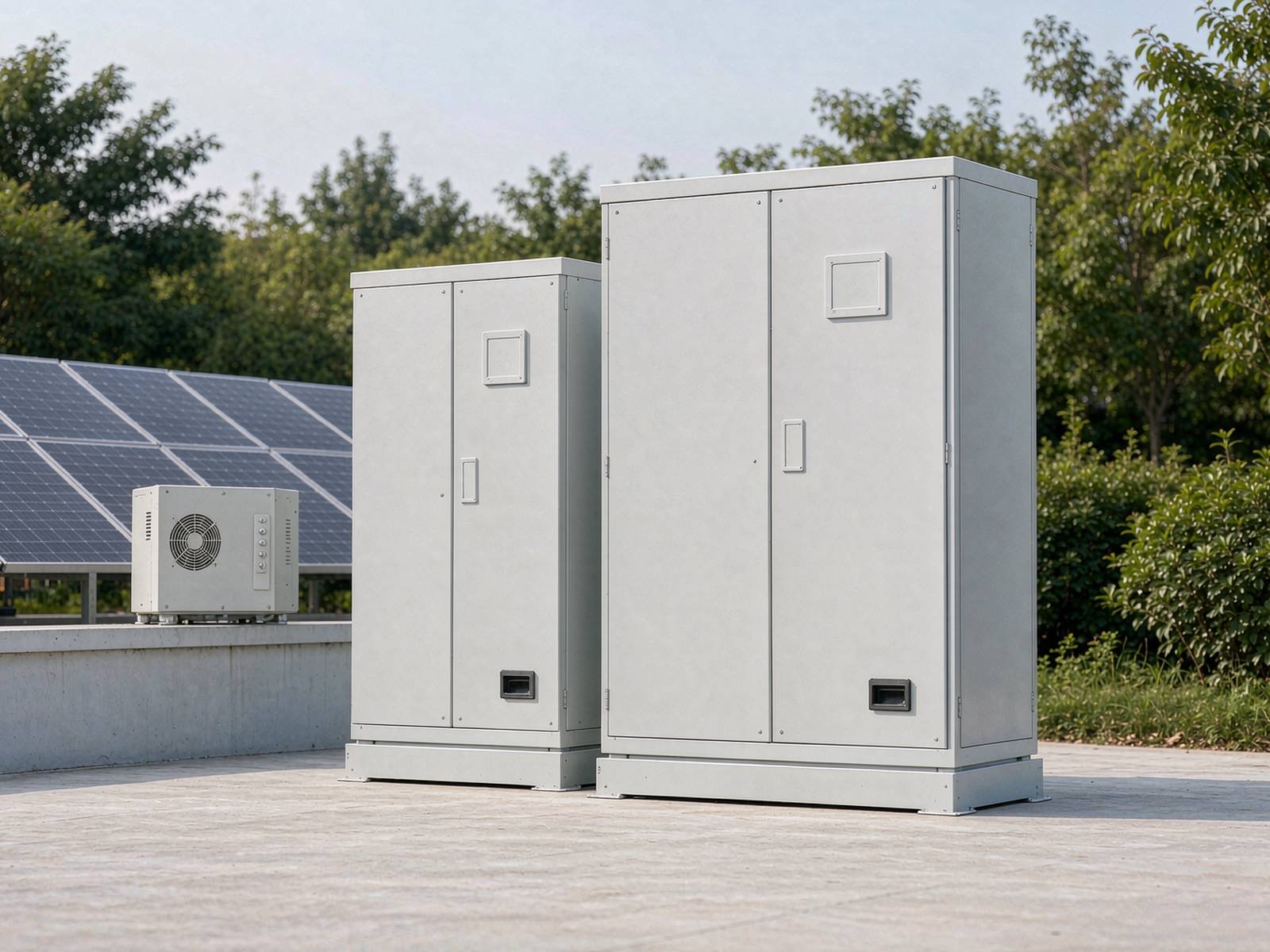
Custom Bare Boards for the Specified Build
PCBELEC reviews the submitted files and manufactures the agreed board construction, with inspection and delivery records defined for the order.
Review Manufacturing Capabilities →-
01
Solar Inverter & Monitoring Electronics
Board requirements within solar conversion and monitoring equipment, with power-related, control and interface functions identified separately.
Confirm: board role, construction, copper, connections and specified insulation requirements.
-
02
Stationary Energy Storage Electronics
Bare-board requirements for battery management, measurement, control and power-conversion electronics in stationary storage systems.
Confirm: the particular board, interfaces, installation conditions and customer acceptance criteria.
-
03
Wind Conversion & Control Equipment
Board constructions for specified conversion, control, sensing and connection functions in wind-energy equipment.
Confirm: materials, interconnects, mounting, critical dimensions and relevant environmental inputs.
-
04
Energy-System Monitoring & Communication
Boards for monitoring, data interfaces, communication and associated control electronics across energy equipment.
Confirm: stackup, routing density, interfaces and any specified impedance or material requirements.
-
05
External Charging & Related Energy Infrastructure
Board requirements for external charging equipment and related control or interface electronics. Identify the equipment and circuit function in the inquiry.
Confirm: power-related or control role, connections, mechanical format and specified electrical criteria.
Engineering Inputs for the Energy PCB Build
Define Electrical, Thermal and Installation Requirements
Translate the approved circuit and installation conditions into clear fabrication instructions. Identify critical features, applicable limits and the verification required for the particular board.
Swipe horizontally if needed to view all project requirements.
| Requirement Area | Information to Provide | Manufacturing Scope to Confirm |
|---|---|---|
| Insulation & Separation | Customer-defined electrical spacing, slots, material and insulation requirements, with the governing drawing, criteria and requested verification conditions. | Fabricated geometry, tolerances, material conditions and the agreed method and limits for any specified verification. |
| Conductors & Copper | Inner- and outer-layer copper, conductor geometry, connection features and critical plated holes or interconnect requirements. | Compatibility of the complete construction, critical dimensions and applicable acceptance conditions for the specified features. |
| Thermal Interfaces & Construction | Required material system, layer structure, copper and any specified thermal-interface dimensions or mounting conditions. | The board features and material properties required by the design, with additional evaluation identified in the accepted scope. |
| Interconnects & Signal Requirements | Hole and via definitions, layer spans, filling requirements, interfaces and any specified impedance targets and tolerances. | Stackup consistency, feature compatibility, test structures and required electrical verification or reporting. |
| Installation Environment | Board location, enclosure and mounting conditions, relevant temperature, humidity or mechanical inputs, and customer evaluation requirements. | Material and construction conditions entering the order, plus the object, method and responsibility for any additional evaluation. |
| Materials & Restricted Substances | Approved grades or measurable criteria, substitution conditions, specified finishes and any substance-related declarations required for delivery. | The accepted material definition, permitted alternatives and documentation included with the manufactured order. |
Include additional evaluation requirements during inquiry so feasibility, responsibility, acceptance limits and reporting can be agreed with the fabrication scope.
Prepare Your Manufacturing Files →Construction & Manufacturing Routes
Match the Construction to the Energy Electronics Design
Choose the fabrication route from the specified circuit, interconnects and mechanical format. Review materials, copper and process features together so the construction matches the intended board.
Swipe horizontally if needed to compare all manufacturing routes.
| Construction / Feature | When to Evaluate | What to Define | Related Capability |
|---|---|---|---|
| Rigid & Multilayer | Control, monitoring, interface or conversion designs with defined routing, reference and power-layer requirements. | Stackup, material grade, dielectric thicknesses, copper, finished thickness, hole structure and mechanical tolerances. |
Rigid PCB →
Multilayer PCB → |
| Heavy Copper, Where Specified | Designs that explicitly call for increased copper within a defined conductor and connection arrangement. | Finished copper by layer, conductor geometry, spacing, plated features and acceptance requirements. | Heavy Copper PCB → |
| Metal-Base & Specified Thermal Constructions | Boards with a customer-defined material system and thermal-interface arrangement. | Base material, dielectric, copper, finished construction, interface dimensions and required verification conditions. |
Metal Core PCB →
PCB Materials → |
| HDI for Defined Dense Interconnects | Compact layouts specifying microvias, build-up structures or defined fine features. | Build-up sequence, via spans, pad geometry, material system and any filling or capping requirements. | HDI PCB → |
| Flexible & Rigid-Flex | Specified flexible connections or integrated rigid and flexible regions for the required packaging arrangement. | Region definitions, thicknesses, bend conditions, coverlay, stiffeners and rigid-to-flex transitions where applicable. |
Flexible PCB →
Rigid-Flex PCB → |
Construction categories can overlap. Review their compatibility as a complete stackup rather than combining individual capability limits without checking the full design.
Use the capability resources to review the fabrication route, then submit the actual files and mandatory conditions for project-specific manufacturing review.
Review Manufacturing Capabilities →Quality, Critical Features & Acceptance
Verify Critical Features Against the Agreed Specification
Connect the required evidence to the actual board and approved revision. PCBELEC provides microsection reports with every order, offers 100% impedance testing and supports IPC Class 3 requirements.
-
01
Microsection Reports for Every Order
Each order includes a microsection report. Identify any additional sample locations, measurements, acceptance limits or customer report-format requirements.
-
02
100% Impedance Testing
Where impedance is specified, provide the targets, tolerances and structures. Confirm the test approach, coverage definition and required reporting for the accepted design.
-
03
IPC Class 3 Support
State the governing board standard, revision, acceptance class and customer additions. Class 3 is supported where specified rather than assumed for every energy PCB order.
Define the Evidence for the Features That Matter
Use the fabrication drawing and accepted specification to identify critical features, applicable limits and required inspection records before manufacturing release.
-
01
Copper, Holes & Mechanical Features
Identify finished copper, plated-hole requirements, outline, thickness and connection features, with the dimensions and records required for critical characteristics.
-
02
Electrical & Insulation Verification
State the verification object, method, test conditions, acceptance limits and reporting for customer-specified electrical or insulation requirements.
-
03
Revision, Identification & Reports
Align board and revision references, required markings, lot identification and delivery records with the accepted manufacturing package.
-
04
Approved Materials & Changes
Keep approved material, stackup and feature conditions visible. Record accepted substitutions, deviations and engineering answers before release.
Confirm additional inspection, evaluation and documentation requirements with the order so the delivered evidence matches the accepted scope.
Explore Testing & Inspection →Prototypes, Production & Project Inquiry
Prepare the Project from Prototype to Repeat Production
Give each build a clear fabrication package and acceptance scope. Keep the approved construction and project conditions aligned as evaluation boards move into subsequent production orders.
-
01
Identify the Board and Project Stage
State the equipment, board role and current revision. Mark preliminary information and identify mandatory electrical, mechanical or documentation requirements before quotation.
-
02
Define the Evaluation Build
Confirm prototype quantity, materials, construction and critical features. Identify the inspection records and any separately agreed evaluation required for this stage.
-
03
Establish the Approved Construction
Carry accepted engineering answers and evaluation changes into the released files. Align the drawing, stackup, material definition and acceptance requirements.
-
04
Confirm Repeat Orders and Changes
Reference the approved board and revision for each order. Confirm quantity, delivery format and records, with substitutions or construction changes reviewed under the agreed approval conditions.
Include These Details with Your Inquiry
Equipment & Board Role
Application, circuit function and whether the project concerns development, evaluation or released production.
Files & Revision
Gerber and drill data, fabrication drawings and the required board revision.
Materials & Construction
Stackup, grades, copper, thickness, finish and specified interconnect or special construction details.
Critical Requirements
Customer-defined insulation, electrical, mechanical and installation requirements affecting the manufactured board.
Acceptance & Records
Governing criteria, verification, identification, reports and substitution or change-approval conditions.
Quantity & Delivery
Quantity, panel format, packaging, destination, target dates and planned repeat orders.
Renewable Energy PCB Application FAQ
Clarify the Requirements for Your Energy PCB Build
Practical answers about board functions, construction, electrical requirements and preparing an energy electronics project for fabrication.
Need a project-specific answer?
sales@pcbelec.comWhat are PCBs used for in renewable energy equipment?
PCBs provide circuit interconnections for specified functions such as control, measurement, communication and power-related electronics within energy equipment.
Identify the particular board in the system. A controller, interface board and conversion-related board may have different constructions and acceptance requirements.
How do stationary energy storage and EV board requirements differ?
Similar function names can appear in both systems, but they do not establish identical board requirements. Define the actual equipment, installation, circuit and governing project conditions.
This page focuses on renewable energy and stationary storage equipment. For vehicle battery management, onboard charging and electric-drive electronics, review our EV PCB manufacturing overview .
Do all energy PCBs require heavy copper?
No. Copper requirements follow the actual design, not the energy application label. Control, monitoring and power-related boards should be specified for their own functions.
Where increased copper is required, define the finished copper by layer together with conductor geometry, spacing, holes and acceptance requirements.
Can copper thickness alone define current capacity?
No. Current and temperature rise depend on the conductor geometry, board construction, thermal conditions, mounting and operating environment as well as copper thickness.
Provide the customer-defined conductor and copper requirements for fabrication. Confirm any additional verification rather than treating one copper value as a universal current rating.
What should be specified for insulation and electrical spacing?
Provide the customer-defined spacing, slots, materials and insulation requirements in the fabrication drawing, with the applicable criteria and critical tolerances.
If verification is required, identify the test object, method, conditions, acceptance limits and report format. Include these requirements during inquiry.
When should metal-base or special material constructions be evaluated?
Evaluate them when the approved design calls for a defined material system or construction to meet its electrical, thermal or mechanical requirements.
Provide the base material, dielectric, copper, thicknesses, interface dimensions and relevant acceptance criteria. Review the complete construction, not only a material name or isolated property value.
What information is needed for an energy PCB prototype inquiry?
Submit the board role, project stage, Gerber and drill data, fabrication drawing, revision and specified stackup. Include materials, copper, critical features and acceptance requirements.
State quantity, panel format, packaging, destination and target dates. Mark preliminary information and identify any required evaluation structures or delivery records.
Does PCBELEC provide assembly or complete energy-system validation?
PCBELEC focuses on custom bare PCB manufacturing, including the agreed fabrication, inspection and delivery records. Component sourcing, assembly, system design and equipment-level validation are separate activities.
For assembly inquiries, use the PCBJHY referral in the site footer. Any additional bare-board evaluation must be defined and accepted with the project.