
Material Selection for Custom Bare PCB Manufacturing

PCB Materials & Selection Guide

Compare PCB material options against the electrical, thermal and mechanical requirements of your board. PCBELEC connects specified grades, open material choices and proposed alternatives with the stackup and fabrication needs of your project.

  • Specified Materials Bring your approved grade and construction requirements
  • Performance-Led Selection Start with the targets and constraints already defined
  • Material Alternative Review Compare proposed changes against the project requirements

Requirements First · Material Grade Second

Choose a Material Starting Point

Match the electrical, thermal, mechanical and reliability requirements with a suitable board construction. Then compare specific grades, copper and stackup options for fabrication.

Start with what is fixed: board structure, signal-performance targets, operating environment, thermal path, mechanical limits and any approved material specification. A familiar brand or one headline property is not a complete selection rule.

Swipe horizontally to compare the material starting points.

Selection directions to narrow the material discussion
Project RequirementMaterial / Construction Starting PointWhat to Compare
General-purpose rigid circuitry FR-4 laminate systems Specific grade, stackup, thickness, copper, electrical requirements and manufacturing fit.
Processing heat, thermal cycling or interconnect reliability High-Tg or other thermal-reliability laminates Tg, Td, expansion, moisture behavior and resistance to delamination under the relevant conditions.
RF, microwave or high-speed signal performance Low-loss material systems , including suitable Rogers grades Dk and Df at comparable test conditions, dielectric stability, copper characteristics and the intended impedance construction.
Heat transfer from active regions Aluminum-base, copper-base or appropriate ceramic constructions Dielectric thickness, thermal impedance, circuit geometry, insulation and the complete mounting or cooling interface.
Installation bending or repeated flexing Flexible material systems , commonly polyimide-based Copper, film, bonding system, coverlay, reinforcement and required bending conditions.
Specialized insulation, dimensional or environmental requirements Suitable rigid, ceramic or specialty material systems Specific property targets, metallization, mechanical constraints and required verification—not a broad performance label.
Approved materials or combined requirements Customer-specified grades and compatible hybrid constructions Exact material identity, approved stackup, substitution restrictions, compatibility and fabrication feasibility.

These are starting points, not automatic material recommendations. Thermal reliability, heat transfer, electrical performance and mechanical behavior are different requirements and should be evaluated together.

Already have an approved grade or stackup? Keep those requirements visible. If the material is undecided, share the constraints that need to be resolved.

Discuss Your Material Requirements

Material Guides & Construction References

Explore PCB Material Types

Use these pages to explore the material direction relevant to your project. The categories overlap: compare the specific grade, properties and construction rather than choosing from a name alone.
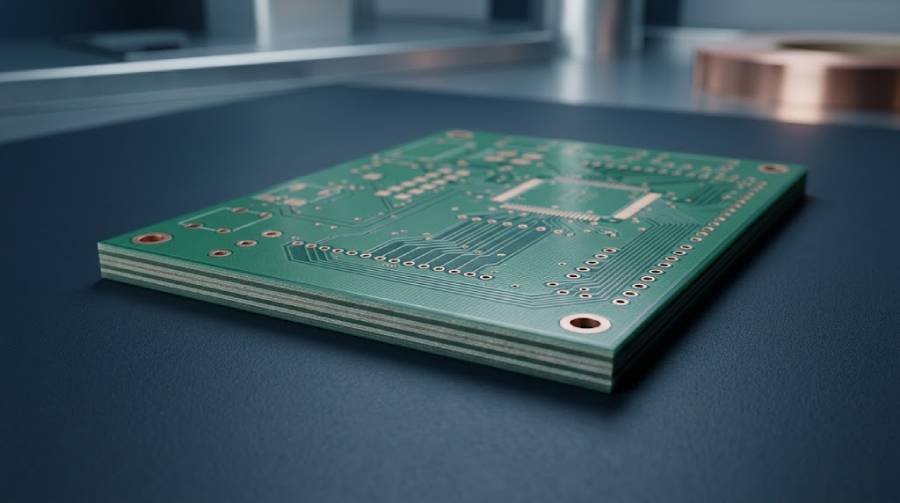
FR-4 PCB Material

Rigid Laminate Systems

FR-4 PCB Material

Glass-reinforced epoxy laminate systems for rigid boards. Compare specific grades, thermal and electrical properties, and the stackup needed for fabrication.

Explore FR-4 Materials
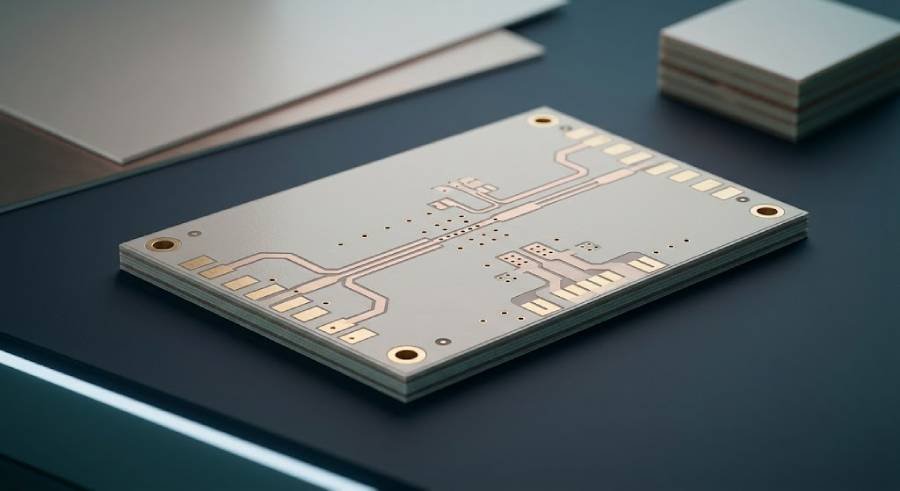
Rogers PCB Material

Supplier-Specific Material Families

Rogers PCB Material

Explore Rogers laminate options for RF, microwave and signal-sensitive designs. Product families use different material systems; selection follows the required grade and construction.

Explore Rogers Materials
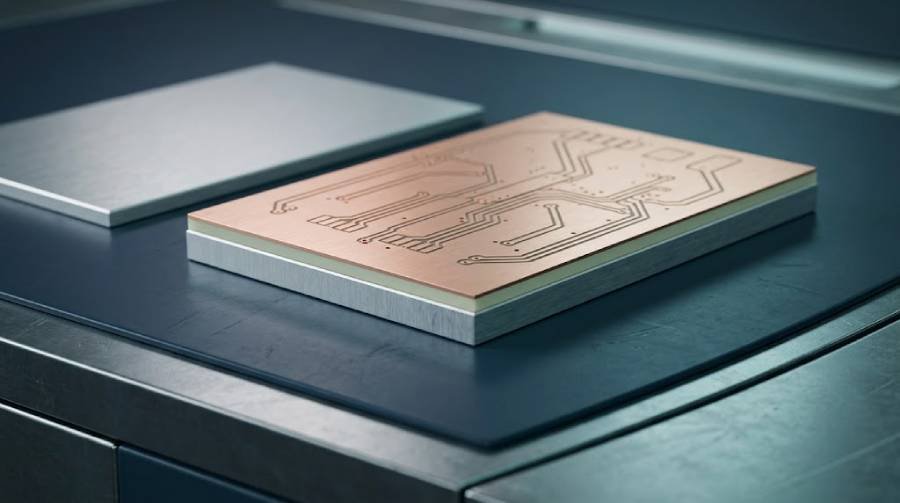
Aluminum PCB Material

Metal-Base Construction

Aluminum PCB Material

Review aluminum alloys, thermal dielectrics and metal-base construction details for projects with defined heat-transfer, insulation and mounting requirements.

Explore Aluminum Materials
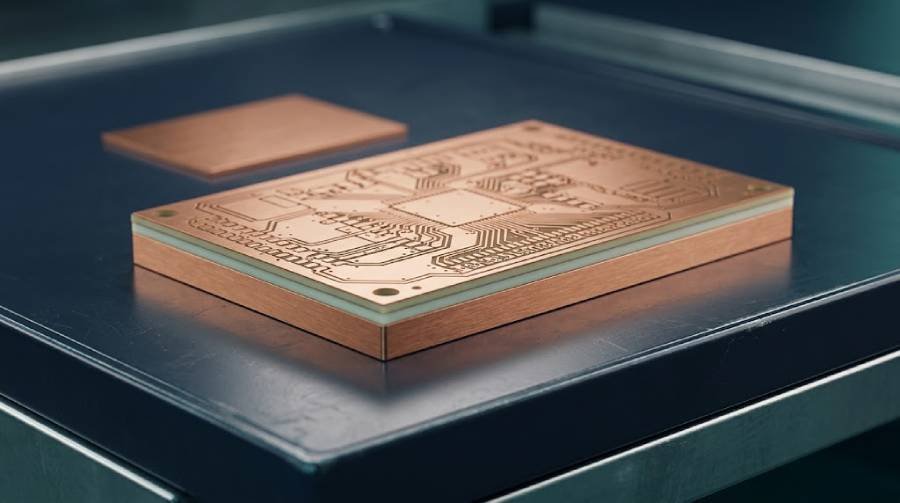
Copper Core PCB material

Copper-Base Thermal Structures

Copper Core PCB Material

Explore copper-base constructions and their thermal, insulation and mechanical requirements. Define the intended structure rather than assuming every copper-based board uses the same heat-transfer path.

Explore Copper Core Materials
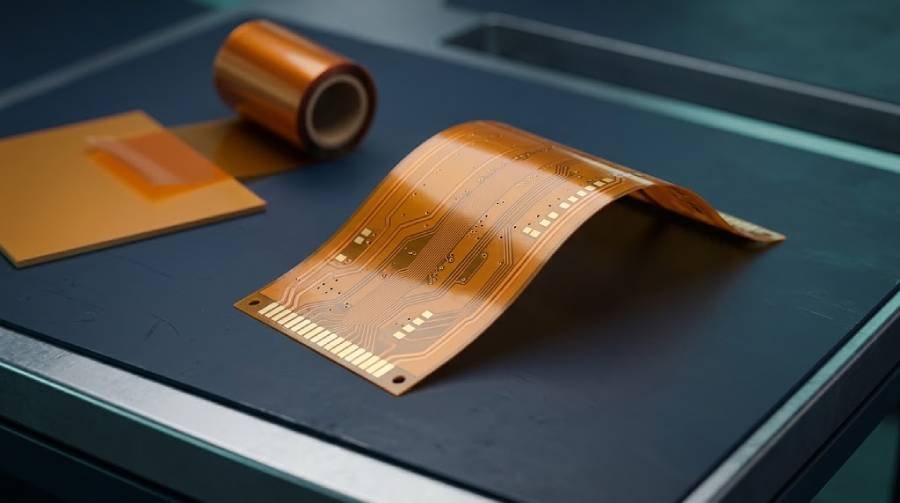
Polyimide PCB material

Flexible Material Systems

Polyimide PCB Material

Review flexible material systems, copper, protection and reinforcement. Installation bending and repeated flexing are evaluated with the complete construction, not the film name alone.

Explore Polyimide Materials
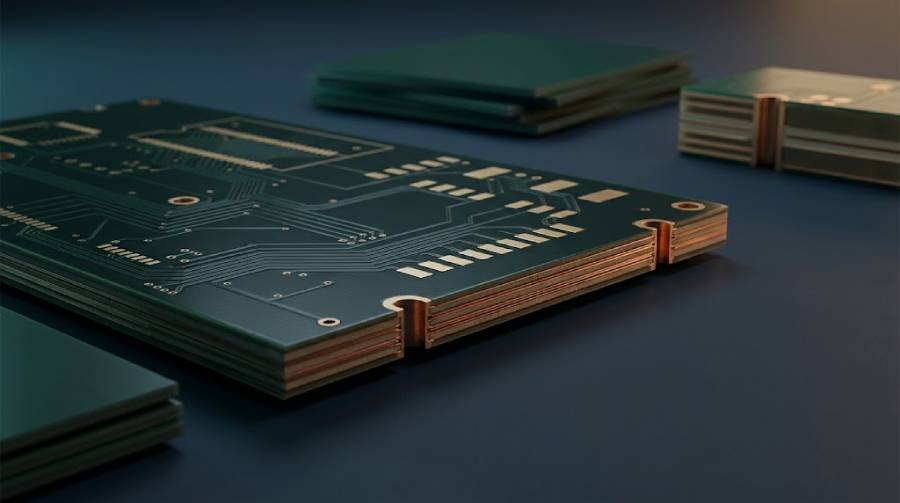
High Tg PCB Material

Thermal-Reliability Selection

High Tg PCB Material

Compare high-Tg laminates alongside decomposition temperature, expansion and other relevant properties. Tg alone is not a maximum operating-temperature or heat-dissipation rating.

Explore High-Tg Materials
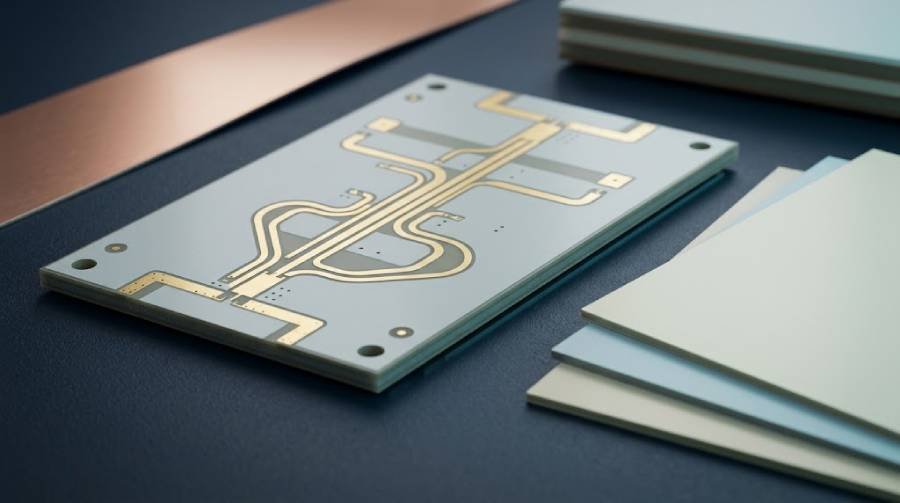
RF / High Frequency PCB Materials

Electrical Performance Requirements

RF / High Frequency PCB Materials

Compare low-loss systems using the electrical targets, test conditions, copper configuration and impedance structure relevant to the design.

Explore RF Material Systems
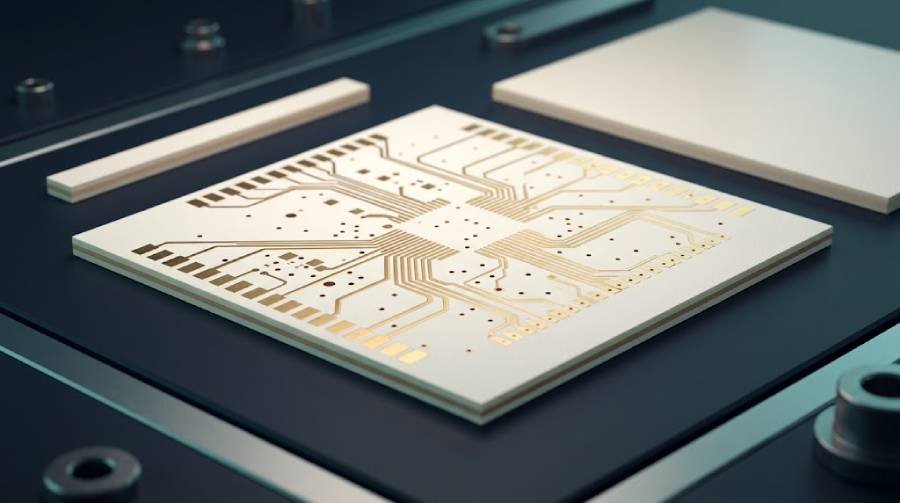
Ceramic PCB Materials

Substrate & Metallization

Ceramic PCB Materials

Explore ceramic substrates and metallization for specified thermal, electrical and dimensional needs. Review the material, conductor system and mechanical constraints as a combined construction.

Explore Ceramic Materials
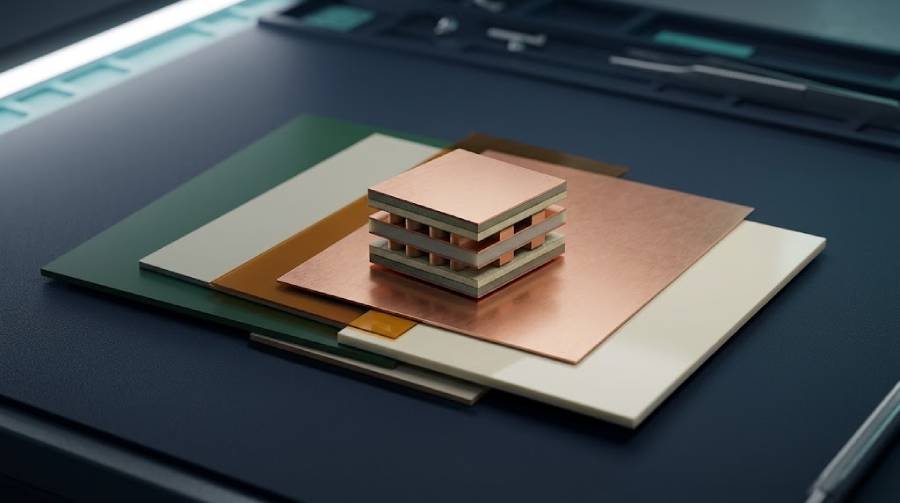
Specialty / Customer-Specified Materials

Approved Grades & Hybrid Requirements

Specialty / Customer-Specified Materials

A project-specific path for approved grades, hybrid stackups and unusual property requirements, including material identity, compatibility and substitution controls.

Explore Specified Material Support

Navigation Categories, Not Mutually Exclusive Classes

A high-Tg laminate may also be FR-4. Rogers is a supplier with several material families, while RF describes a performance direction. Use the specific grade and construction to complete the material definition.

Have an approved material that is not shown here? Include the exact grade, applicable specification and construction requirements with the project inquiry.

Discuss a Specified Material

Compare Properties on the Right Basis

Key Material Parameters to Review

A material category narrows the search; the grade and construction complete the specification. Use these parameters to compare options and identify what belongs in the manufacturing requirements.

01 · Electrical Performance

Dielectric Properties: Dk & Df

Review the dielectric behavior, loss and stability needed by the design. Compare values at relevant frequencies and compatible test conditions. The lowest Dk is not automatically the right design choice.

Compare Together

Target properties, frequency, test method, conditioning, copper and impedance construction.

Review RF Material Selection

02 · Thermal Reliability

Tg, Td & Expansion

Glass transition, decomposition temperature and thermal expansion describe different material behaviors. Evaluate them with processing exposure, thermal cycling, moisture and interconnect requirements.

Keep the Meaning Clear

Tg alone is not a continuous operating-temperature limit or a complete reliability rating.

Review High-Tg Materials

03 · Heat Transfer

More Than Thermal Conductivity

Review conductivity with dielectric thickness, thermal impedance and the intended heat path. Circuit geometry, metal-base construction and mounting or cooling interfaces also affect the application.

Keep the Meaning Clear

A W/m·K value alone does not predict the finished product temperature.

Review Metal-Base Material Factors

04 · Conductors & Dimensions

Copper & Thickness Definition

Specify circuit copper separately from dielectric, metal-base and finished-board thickness. Copper type and surface characteristics may also matter to the electrical and fabrication requirements.

Define for Fabrication

Copper by layer, starting or finished thickness, dielectric dimensions and the finished-board requirement.

Review Circuit Copper Requirements

05 · Flexible Construction

Mechanical Use & Local Support

Review the base film, copper, bonding system, coverlay and reinforcement as one construction. Identify installation bends or repeated flexing, with the relevant use conditions.

Define by Region

Bend areas, flexible-zone thickness, contact regions and local stiffeners.

Review Flexible Material Systems

06 · Grade & Process Compatibility

Material Identity & Manufacturing Fit

Record the manufacturer, grade and applicable specification. Review compatibility with drilling, plating, bonding and the required construction, together with documentation and sourcing needs.

Keep Changes Controlled

Similar names or headline properties do not establish material interchangeability.

Review Specified Material Support

Connect the Property to a Grade and Construction

“High Tg,” “low loss” or “thermally conductive” is a useful direction, not a complete manufacturing specification. Identify the required property, its measurement basis and the material construction that must deliver it.

Need help defining a dimension? The PCB thickness guide explains board, material and local thickness requirements. Share the targets already fixed for your project.

Discuss Your Material Targets

Specified Grades · Open Choices · Proposed Alternatives

PCB Material Support for Your Manufacturing Project

PCBELEC supports material selection as part of custom bare PCB manufacturing. Start with an approved grade, a set of performance requirements or a proposed alternative.

Our review connects the material request with stackup, copper, thickness, hole structure, impedance, protection and finish. The goal is a clear construction basis for quotation and fabrication—not simply a name chosen from a list.

Choose the starting point that matches your project. Scroll horizontally on smaller screens.

Three ways to begin the material and construction review
Your Starting PointWhat to ShareManufacturing Review FocusWhat the Review Helps Define
An Approved Material or Stackup Manufacturer, exact grade, datasheet or approval reference, stackup, copper and substitution restrictions. Material identity, specified construction, feature requirements and the information needed for fabrication. The material and construction baseline for quotation and production release.
Performance Requirements without a Final Grade Board type, electrical targets, operating environment, thermal path, mechanical constraints, quantity and delivery priorities. Suitable material directions, construction options and decisions that need further clarification. Candidate manufacturing options and the specifications needed to complete the selection.
A Proposed Substitution or Optimization Original grade, proposed alternative, approved requirements and the reason for the change. Relevant electrical, thermal, mechanical and processing differences, plus required approval or validation. A documented proposal for review—not an assumed like-for-like replacement.
  1. Share What Is Fixed

    Identify approved materials, drawings and mandatory performance requirements. Mark the choices that remain open.

  2. Review the Open Decisions

    Discuss material availability, construction compatibility and the manufacturing details needed for a meaningful quotation.

  3. Confirm the Build Definition

    Align the agreed grade, stackup, copper and documentation requirements with the relevant manufacturing release.

Keep Approved Requirements and Alternatives Distinct

Fixed material requirements do not need to be reopened to begin a quotation. Where an alternative is proposed, identify the change and follow the applicable customer approval and validation requirements. Confirm the selected material and construction before use.

Explore our pre-production engineering support and manufacturing file guide when preparing the project information already available.

Start Your Material Review

Material Review · Fabrication Planning · Quotation Support

Request a PCB Material Review

Send the requirements already available for your project. Share an approved grade, performance targets or a proposed alternative, together with the construction details needed for review.

Include the Information You Have

  • Board structure: rigid, multilayer, HDI, flexible, rigid-flex, metal-base or ceramic.
  • Material status: approved grade, performance requirements or proposed alternative.
  • Design data: Gerber files, stackup, copper, thickness, impedance and feature requirements.
  • Operating conditions: temperature, environment, thermal path and mechanical constraints.
  • Project details: quantity, delivery needs, documentation and any sourcing or approval limits.

If some details are not yet available, include what is fixed and mark the remaining decisions as open.

Email Template

Material Requirements for PCB Fabrication

Copy this template into your email and replace the bracketed fields. Include drawings or datasheets where available.

Subject: PCB Material Requirements for FabricationDear PCBELEC Team,We are reviewing material requirements for a custom bare PCB project.Project status: [New design / prototype / production / material change]Board structure: [Rigid / multilayer / HDI / flexible / rigid-flex / metal-base / ceramic]Material status: [Approved grade / performance requirements / proposed alternative]Required material or targets: [Manufacturer, grade, datasheet, Dk/Df, Tg/Td, thermal path, mechanical or compliance needs]Stackup and construction: [Layer count, copper, thickness, impedance, dielectric, metal base, coverlay or stiffeners]Operating requirements: [Temperature, environment, thermal load, bending or mechanical conditions]Project details: [Quantity, delivery, documentation, substitution restrictions]Please review the material and construction requirements for fabrication feasibility and quotation.Thank you, [Name] [Company]

Include confidential files only through your preferred secure transfer method. Review our privacy policy for more information.

Selection Questions & Clarifications

Frequently Asked Questions About PCB Materials

These answers clarify common material-selection questions. They are starting points for project review, not substitutes for the approved grade, stackup and manufacturing requirements.

FR-4 is widely used for rigid PCBs because it provides a practical balance of insulation, mechanical strength, availability and cost for many general applications. The appropriate grade still depends on the stackup, thermal requirements and manufacturing needs.

Consider high-Tg materials when processing exposure, thermal cycling or reliability requirements make standard FR-4 unsuitable. Tg describes a transition region, not a maximum operating temperature or heat-dissipation rating.

FR-4 is a general category of epoxy-glass laminate systems, while Rogers is a supplier with several material families. Rogers options are often considered for RF, microwave and signal-sensitive designs, but the required grade and construction determine the selection.

PTFE-based materials may be considered for demanding RF or high-frequency applications where low loss and dielectric performance are central requirements. Review the grade, fabrication process and project constraints before selecting a material.

Both can be considered for thermal-management applications, but they differ in construction, thermal path, mechanical characteristics, cost and fabrication requirements. The heat load, board design and application constraints determine the appropriate option.

Polyimide is commonly used for flexible and rigid-flex PCBs that require bending capability, compact integration or elevated-temperature performance. Review the complete flexible construction, including copper, coverlay and reinforcement.

Ceramic materials may be appropriate for specialized projects requiring specific thermal, electrical, dimensional or environmental performance. Selection depends on the substrate, metallization, geometry and application requirements.

Yes. Some projects use hybrid stackups or customer-specified materials to balance electrical, thermal, mechanical and cost requirements. Review material compatibility, processing and approval requirements before production.

Yes. Include Gerber files, stackup details, performance requirements, application conditions and material information with the project inquiry. PCBELEC reviews material requirements as part of fabrication planning and quotation support.

Still deciding between material directions? Share the requirements already available and identify the decisions that remain open.

Request a Material Review
Scroll to Top