

How to Judge PCB Quality: 7 Expert Tips for Reliable Boards
Discover 7 expert tips to evaluate PCB quality, including PCB traces, decoupling capacitors, and testing methods. Ensure reliable boards for

Immersion Silver PCB Surface Finish: Benefits, Applications, and Cost Analysis
Discover why immersion silver PCB surface finish is ideal for high-speed electronics, automotive, and telecom applications. Compare its cost, performance,
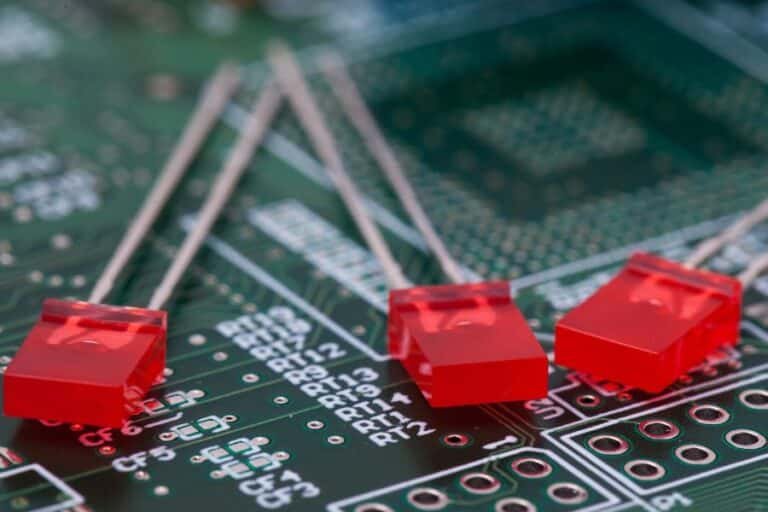
Prototipo de PCB: ¿Qué es? ¿Para qué sirve?
Los PCB (Placa de circuito impreso) son la columna vertebral de la electrónica y un PCB defectuoso significa una pérdida
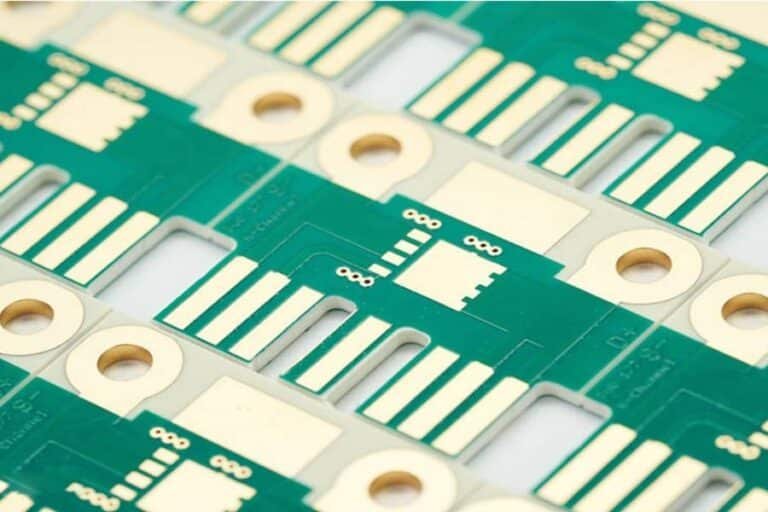
Rogers PCB: Ultimate Guide to High-Performance Circuit Boards
Discover Rogers PCB, the top choice for high-frequency electronics. This guide covers properties, types, benefits, and applications of Rogers materials,

HASL: Hot Air Solder Leveling for PCB Surface Finish
Hot Air Solder Leveling, abbreviated as HASL, is one of the surface finish processes of printed circuit boards. Hot Air

What Is PCB Immersion Gold (ENIG) Surface Finish? Benefits, Process & Cost Explained
Discover why PCB Immersion Gold (ENIG) is ideal for reliable, lead-free PCBs. Learn its benefits, drawbacks, and manufacturing process in

What Is PCB OSP Surface Finish? A Comprehensive Guide
OSP refers to Organic Solderability Preservative. It is the leading PCB surface finishing coating option used by the PCB industry

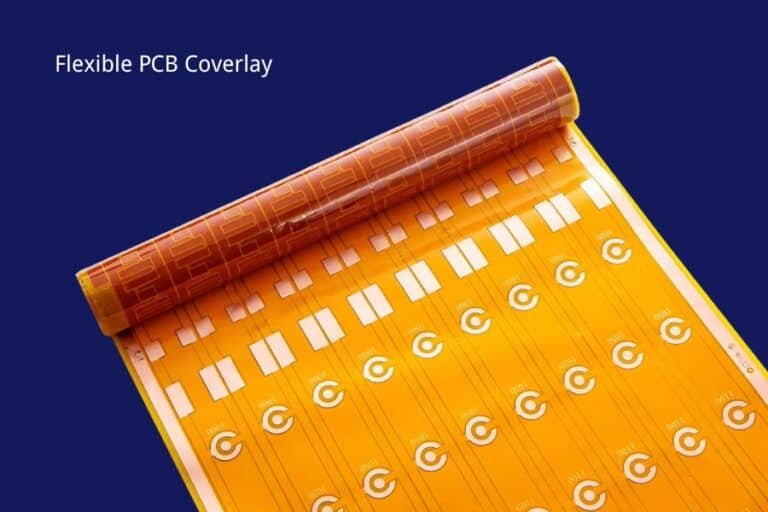
Flexible PCB Coverlay: What It Is & How It Works
A flexible PCB coverlay provides the same functionality as a solder mask used on rigid PCBs. However, a flexible PCB
Double-Sided Flexible PCB Coverlay Manufacturing Process: A Comprehensive Guide
Discover the step-by-step double-sided flexible PCB coverlay manufacturing process, from cost-effective silkscreen printing to precision photo coating. This guide covers
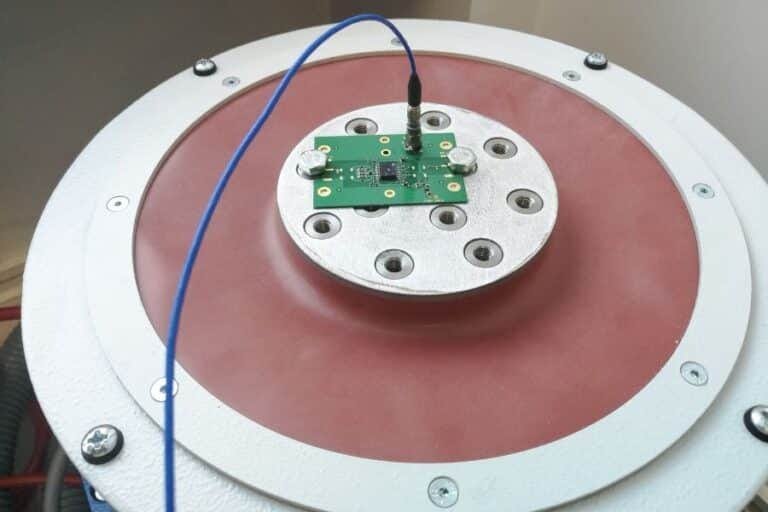
Why Should PCB Reliability Be Taken Seriously?
High-reliability PCB can play a stable carrier role and realize the long-term and stable operation of PCBA, thereby ensuring the
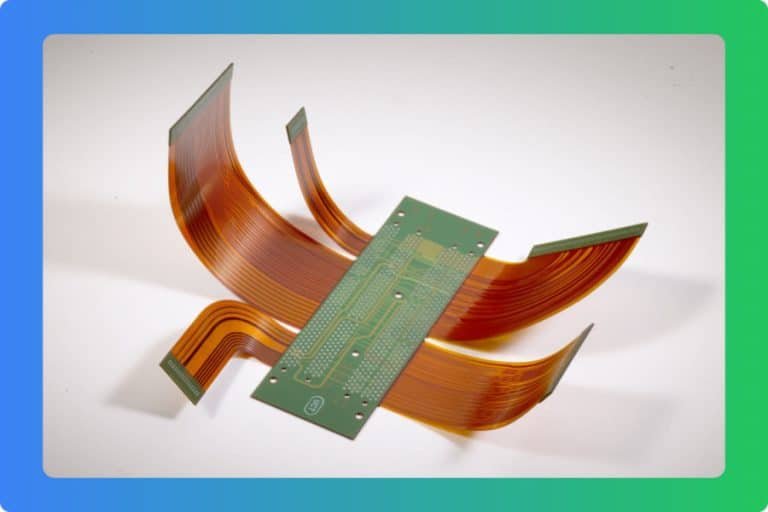
Rigid-Flex PCB Benefits and Applications Explained
Rigid-flex PCBs combine durability and flexibility, offering up to 50% cost savings and reliable performance for compact electronics. Discover their

Rigid PCB vs Flex PCB: What Is The Difference?
PCBs play a vital role in modern electronics, connecting components and creating functional devices. While rigid and flexible PCBs share

Flexible PCB Stiffeners Guide: Benefits & Uses
Flexible PCB stiffeners enhance durability and performance in modern electronics. This guide from PCBELEC explores their benefits, materials like FR4

The historical timeline and outlook of printed circuit boards
The origin of electronics can be traced back to 1897. Electromagnetic waves are the cornerstone of interconnection and communication between
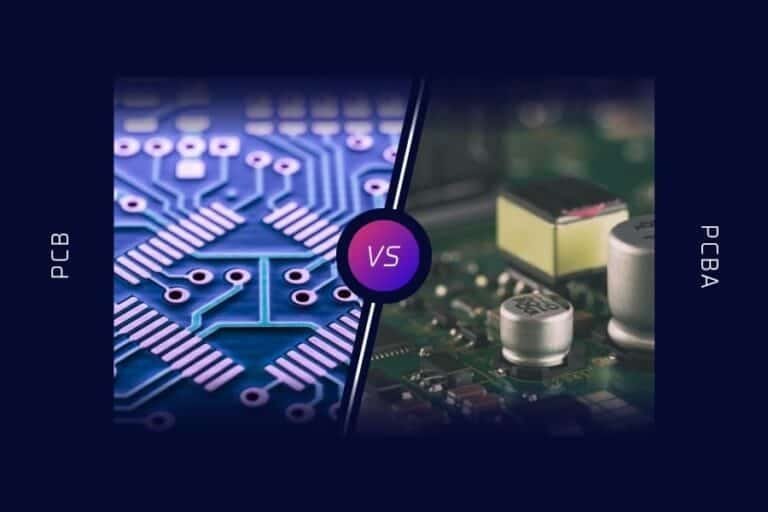
What is the defference between PCB and PCBA?
PCB and PCBA are two essential aspects of electronic circuit boards, which provide the functionality to printed circuit boards. In

Complete Introduction of Flexible Circuit Board Materials
Flexible printed circuit boards (FPCs) offer unique advantages like lightweight, high-density assembly and bendability. But what materials go into making
Big news! DuPont announces the acquisition of Rogers.
DuPont Announces The Acquisition Of Rogers.

How to Store PCB and PCBA?
After manufacturing, they store the final board or assembly with extreme precautions and take all necessary measures to keep them