

What is Single-Sided Double-Layer Aluminum PCB: A Complete Guide
Learn what a single-sided double-layer aluminum PCB is with this comprehensive guide. Explore its advanced design, superior thermal management, and

Why Copper Foil is Used in PCB Manufacturing
Copper foil plays a pivotal role in PCB manufacturing due to its excellent electrical and thermal conductivity. This article explains

Copper Foil for PCB: Types, Applications, and Importance in Manufacturing
Copper foil is the conductive heart of PCBs, enabling signal flow in everything from smartphones to industrial equipment. Explore its

High Tg PCB Materials: A Comprehensive Guide to High-Temperature Performance and Applications
High Tg PCB materials are essential for circuits that operate in extreme heat. This guide covers what High Tg means,

PCB Copper Foil Types for High-Frequency Designs: A Comprehensive Guide
Discover the key types of PCB copper foils for high-frequency applications, their manufacturing processes, and how surface roughness affects signal

The Essential Role of Copper Foil in PCB Manufacturing: A Comprehensive Guide
Copper foil is the foundation of PCB manufacturing, enabling efficient electrical flow and strong component connections. This guide covers its

The Role of Electrolytic Copper Foil in Flexible PCBs: Benefits, Manufacturing, and Selection Guide
Flexible PCBs are revolutionizing electronics with their adaptability and durability, and electrolytic copper foil is a key conductor material driving

Ultimate Guide to PCB Materials, Dielectric Strength, and Testing in 2025
Dielectric strength is critical for PCB reliability, ensuring insulation and safety in high-voltage and high-frequency applications. This guide dives into

What is an Advanced PCB? A Comprehensive Guide to High-Performance Circuit Boards
In the world of electronics, advanced PCBs power everything from smartphones to aerospace systems. This guide explains what makes a

What is Copper Foil in PCB Manufacturing? Essential Insights for Engineers
Uncover the essentials of copper foil in PCB manufacturing—its conductive importance, types like RA and ED, and practical design advice.

The Key Differences Between RA Copper and ED Copper in PCB Manufacturing: A Comprehensive Guide
In PCB fabrication, especially for flexible circuits, the choice between RA copper and ED copper can make or break your

What Are PCB Boards Made Of? A Comprehensive Guide to Materials and Their Roles
Wondering what PCB boards are made of? This in-depth guide covers key materials like FR-4, polyimide, Teflon, copper foil, and

Mastering the Art of Converting Circuit Diagrams to PCB Layouts: A Comprehensive Guide for Designers
Discover the essential steps to convert circuit diagrams into optimized PCB layouts. PCBELEC shares professional insights on tools, common pitfalls,

What is a PCB in Electronics? Your Ultimate Guide to Circuit Boards
Printed Circuit Boards (PCBs) are the heart of modern electronics, from smartphones to medical devices. This guide explains what a

What is IC Substrate? A Comprehensive Guide to Types, Manufacturing, and Applications
IC substrates are the backbone of modern integrated circuits, bridging chips and PCBs for seamless electrical and thermal performance. In

Choosing the Right PCB Surface Finish for Your Project
Discover the key factors in selecting a PCB surface finish, from HASL to ENIG, to optimize your project’s performance and
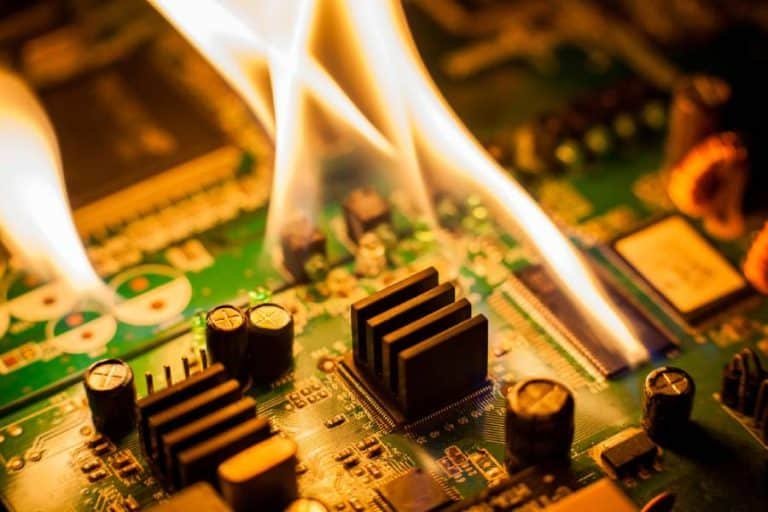
Heat Resistant Circuit Boards: Advanced Solutions for High-Temperature Applications
Discover the world of heat resistant circuit boards, including IMS PCB technology and high-temperature materials. Learn how PCBELEC’s advanced solutions
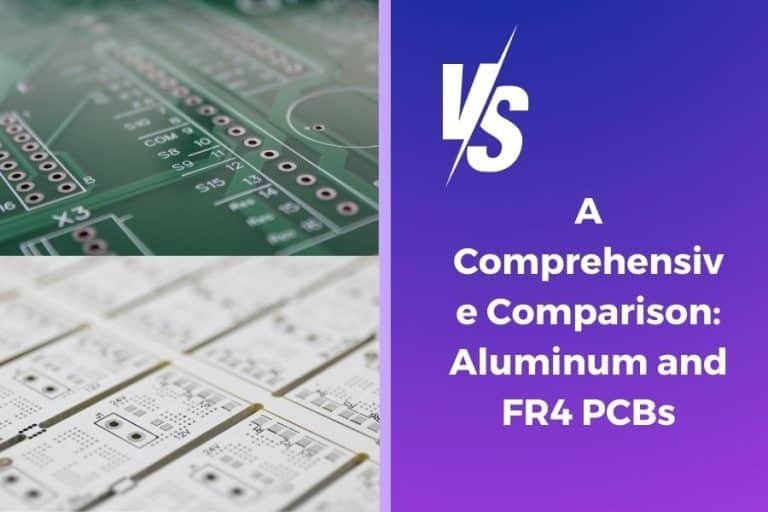
A Comprehensive Comparison: Aluminum and FR4 PCBs
Choosing the right PCB material between aluminum and FR4 is crucial for optimizing product performance, reliability and costs. This comprehensive