

LED PCB vs Standard PCB: 10 Key Differences You Need to Know (2026)
LED failures often stem from a fundamental mistake: using standard PCBs for applications requiring LED-specific boards. While both look similar,

6 Types of LED PCB Boards: Aluminum vs Copper vs FR4 vs Ceramic (2026)
Not all LED PCBs are created equal. The substrate material you choose—whether aluminum, copper, FR4, ceramic, flexible, or hybrid—fundamentally impacts
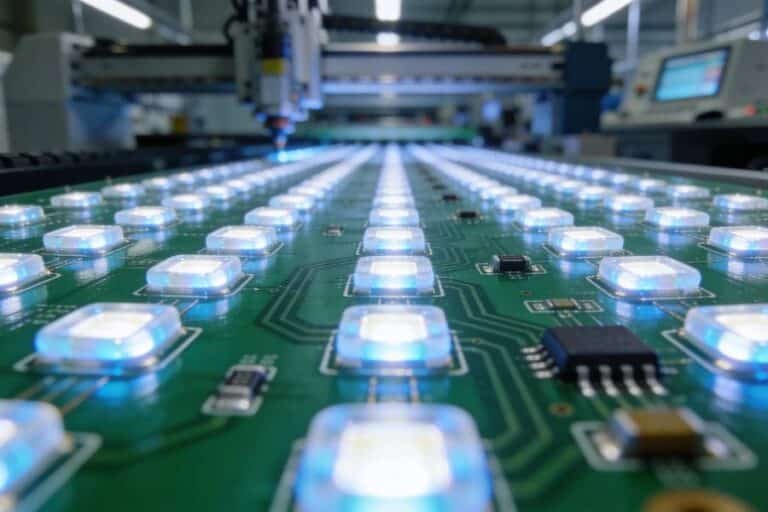
What is LED PCB? A Complete Guide for Beginners (2026)
LED PCBs have revolutionized modern lighting with their superior efficiency, longevity, and reliability. But what exactly is an LED PCB,

What Is a Flexible PCB? A Complete Guide to Materials, Design, and Applications
A flexible PCB (flex or FPC) is a thin, bendable printed circuit that can be folded, twisted, or shaped to
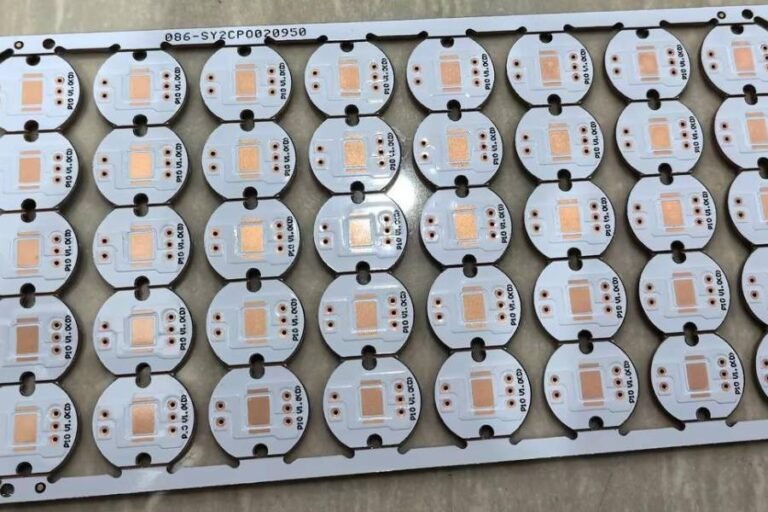
How to Choose: Conventional Copper Substrate vs. Thermoelectric Separation Copper Substrate for PCB Applications
Selecting the proper copper substrate is critical for high-performance PCB design, especially in demanding thermal management scenarios. In this guide,

Copper Core PCB Stackup: How to Optimize Layer Structure for Thermal and Reliability Performance
Learn the essentials of copper core PCB stackup—from material choices and layer layouts to thermal and electrical optimization. This guide

Copper Core PCB vs. Metal Core PCB: Understanding the Key Differences and Advantages
Copper Core PCBs offer superior heat dissipation and performance for high-power applications, while Metal Core PCBs provide a cost-effective solution

Copper Core PCB vs FR-4 PCB: Comprehensive Comparison for Electronics Designers
Copper core PCBs offer superior thermal conductivity and mechanical strength compared to standard FR-4 PCBs, making them ideal for high-power

Copper Core PCB FAQs: Comprehensive Answers for Design, Manufacturing, and Purchasing
A thorough FAQ guide for copper core PCBs, addressing key topics such as technical features, industry applications, design considerations, processing

Copper Core vs Aluminum Core PCBs: Key Differences, Pros & Cons, and How to Choose (2025 Guide)
This article provides a thorough, side-by-side comparison of copper core and aluminum core PCBs. We break down their heat performance,

What is Copper Core PCB? Comprehensive Overview, Advantages & Industry Insights
This guide gives a complete introduction to Copper Core PCBs, explaining their structure and unique advantages over standard FR4 and
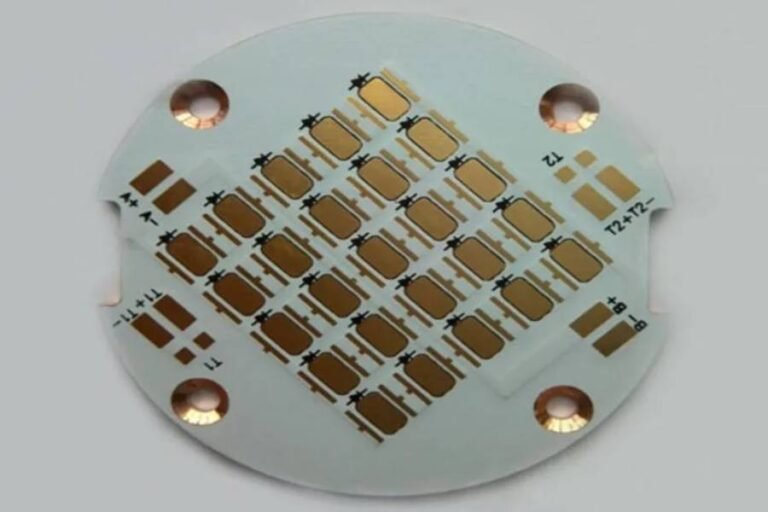
6 Types of Copper Core PCBs for High-Power LEDs: Ultimate Guide from PCBELEC Manufacturer
Copper core PCBs revolutionize heat dissipation in high-power applications like LEDs and igniters. From normal stack-up designs with 12 W/m.k

What is a PCB Test Coupon? Essential Guide for Reliable PCB Manufacturing
In the world of PCB manufacturing, catching defects early can save you time and money. Enter the PCB Test Coupon—a
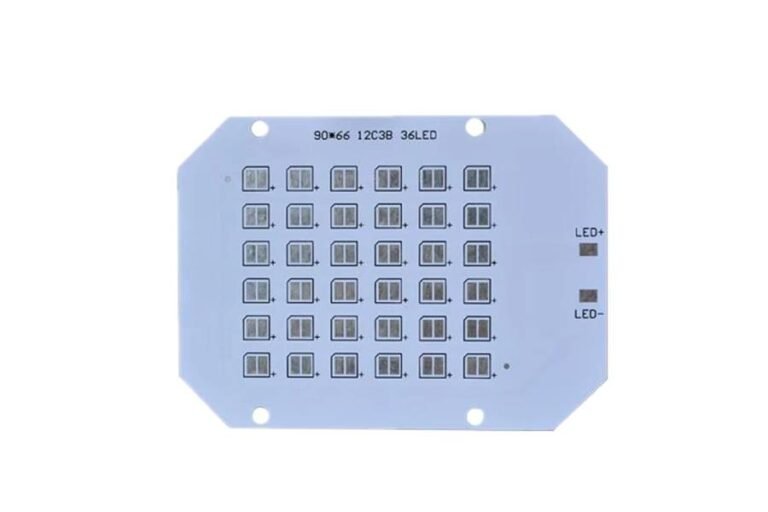
What is a Single-Sided Aluminum PCB? Unlock Its Power in 2025
Learn what a single-sided aluminum PCB is and how it powers 2025’s top electronics. Dive into its structure, heat management,

What is High Tg PCB? A Beginner’s Guide to Its Definition, Advantages, and Practical Uses
Discover what High Tg PCB means, why it’s essential for high-temperature environments, and explore its key advantages and applications in

High Tg PCB vs. Ordinary Tg PCB: Understanding the Key Differences
In the world of PCB manufacturing, Tg (Glass Transition Temperature) plays a crucial role in determining board performance under heat

What Is the Tg Value of PCB Substrate? A Complete Guide for 2025 Designs
The Tg value is a key parameter in PCB substrate selection, defining thermal resistance in FR-4 materials. This updated guide
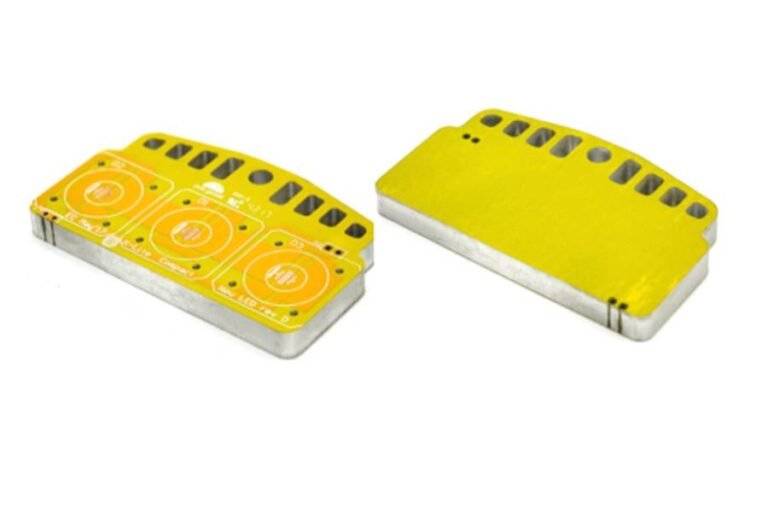
What is Single-Sided Insulated Hole Aluminum PCB?
Discover what a single-sided insulated hole aluminum PCB is with this guide. Dive into its unique design, manufacturing process, and