RoHS-Compliant PCB Assembly

frequently asked questions about lead free and rohs pcb assembly

Frequently Asked Questions About Lead-Free and RoHS-Compliant PCB Assembly

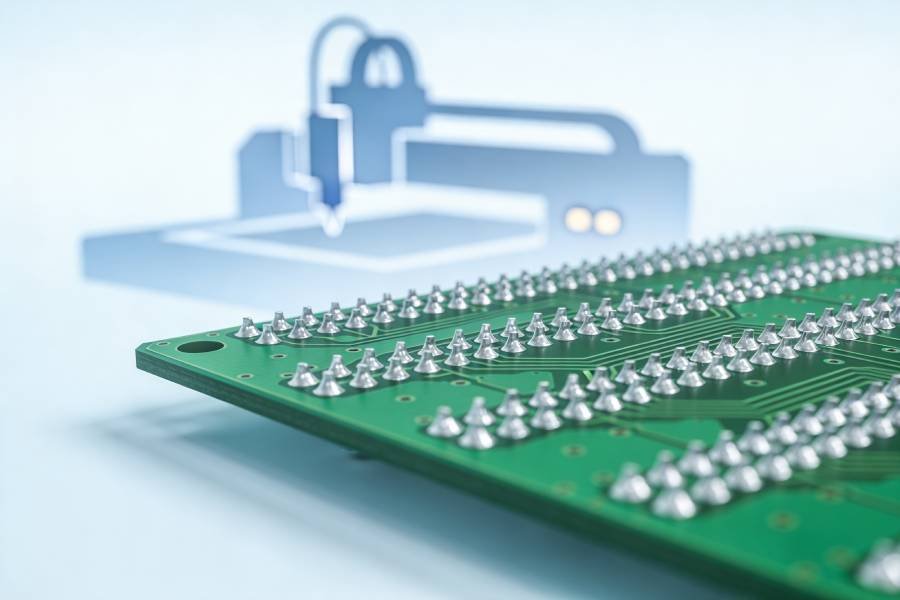
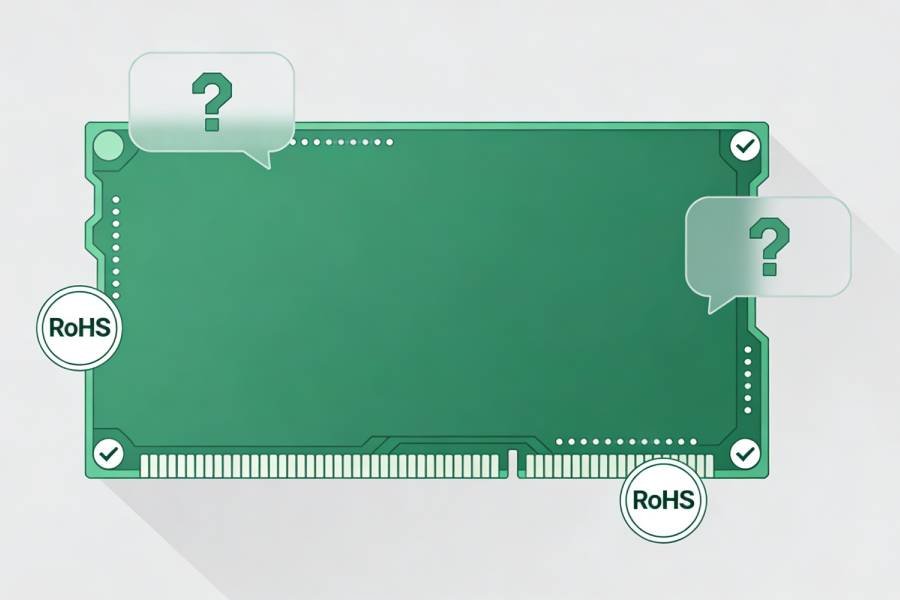
This FAQ-style guide answers the most common questions engineers and OEMs ask about lead-free and RoHS-compliant PCB assembly. It covers what “lead-free” and RoHS actually mean, how they affect solder choice, laminates, finishes, design rules, reliability, and test, plus what documentation and supplier practices you should expect when building RoHS-compliant boards.

Frequently Asked Questions About Lead-Free and RoHS-Compliant PCB Assembly Read More »

cost and lifecycle considerations when switching to lead free pcb assembly

Cost and Lifecycle Considerations When Switching to Lead-Free PCB Assembly

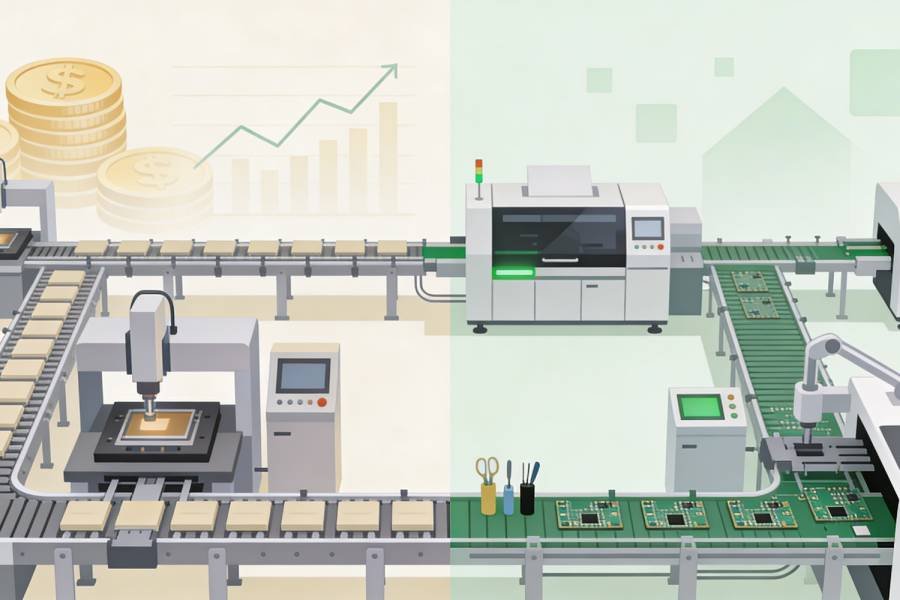
This article unpacks the cost and lifecycle implications of switching from traditional leaded to lead-free PCB assembly. It explains where costs really change—materials, equipment, process validation, defects—and how those changes play out over a product’s lifetime in terms of reliability, obsolescence, RoHS compliance, and supply-chain risk. It is written for engineers and sourcing teams planning a transition to lead-free manufacturing.

Cost and Lifecycle Considerations When Switching to Lead-Free PCB Assembly Read More »

lead free reflow soldering profiles vs traditional processes

Lead-Free Reflow Soldering Profiles: How They Differ from Traditional Processes

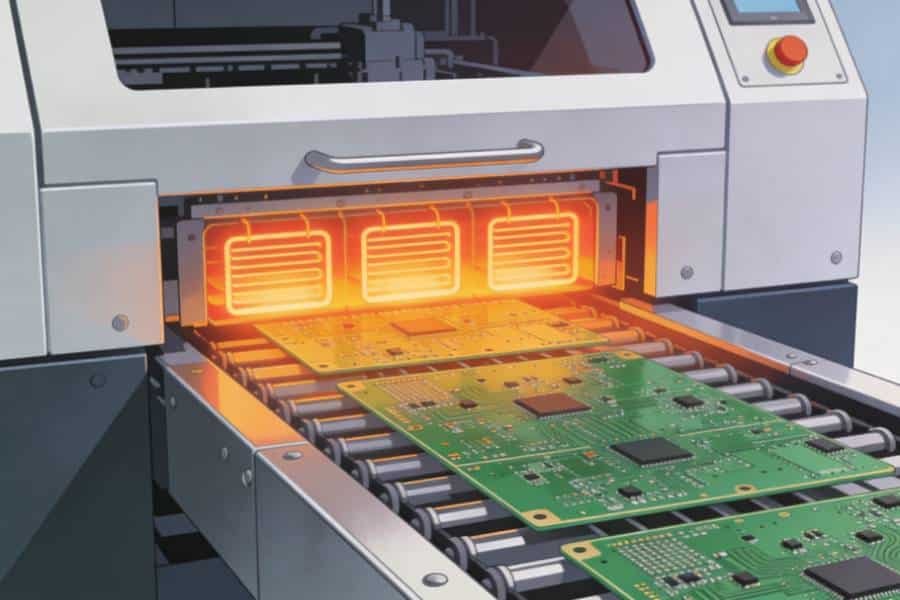
This article explains how lead-free reflow soldering profiles differ from traditional tin‑lead processes, from higher peak temperatures and tighter process windows to changes in wetting behavior, reliability, and oven setup. It is written for engineers and manufacturing teams tuning profiles for modern RoHS‑compliant assemblies.

Lead-Free Reflow Soldering Profiles: How They Differ from Traditional Processes Read More »

Scroll to Top