
High Frequency PCB

high frequency pcbs for 5g base stations and small cells design & manufacturing tips

High Frequency PCBs for 5G Base Stations and Small Cells | Design & Manufacturing Tips

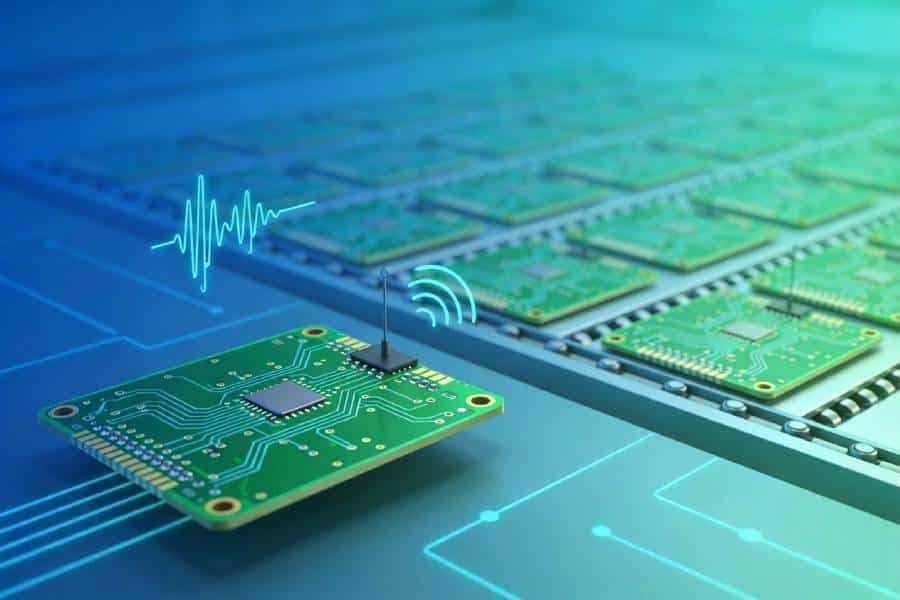
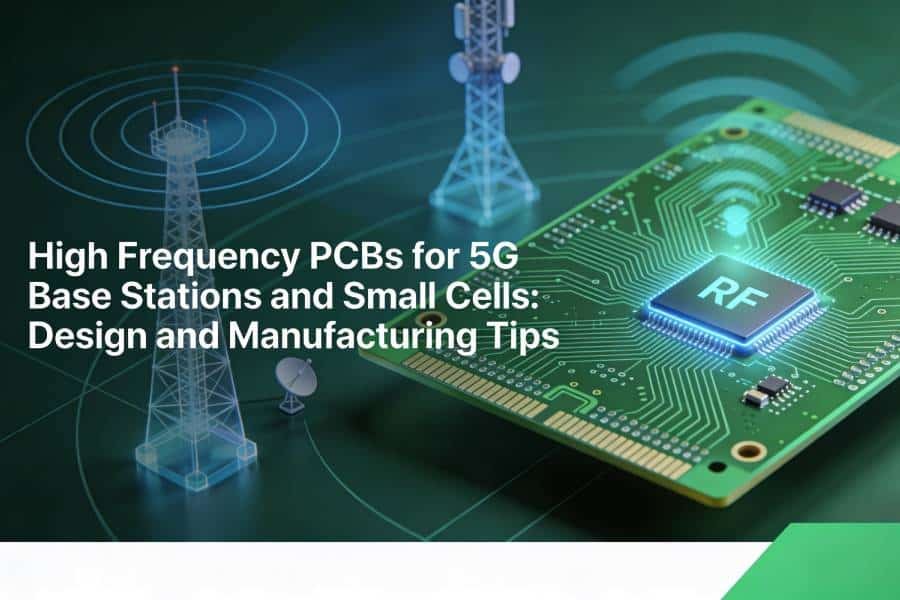
High frequency PCBs are at the core of 5G macro base stations and small cells, where Sub‑6 and mmWave signals demand low loss, tight impedance control, and robust reliability in harsh outdoor environments. This guide shares practical design and manufacturing tips—from material and stackup choices to RF layout, thermal, and DFM checks—to help you turn 5G concepts into stable, high‑volume hardware.

High Frequency PCBs for 5G Base Stations and Small Cells | Design & Manufacturing Tips Read More »

high frequency pcb material selection for 5g, radar and satellite applications

High Frequency PCB Material Selection for 5G, Radar and Satellite Applications

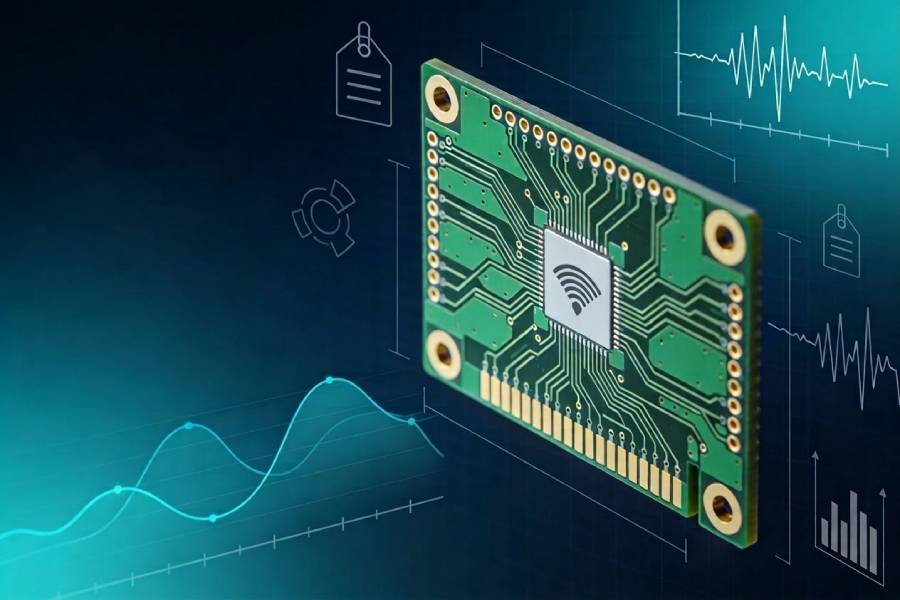
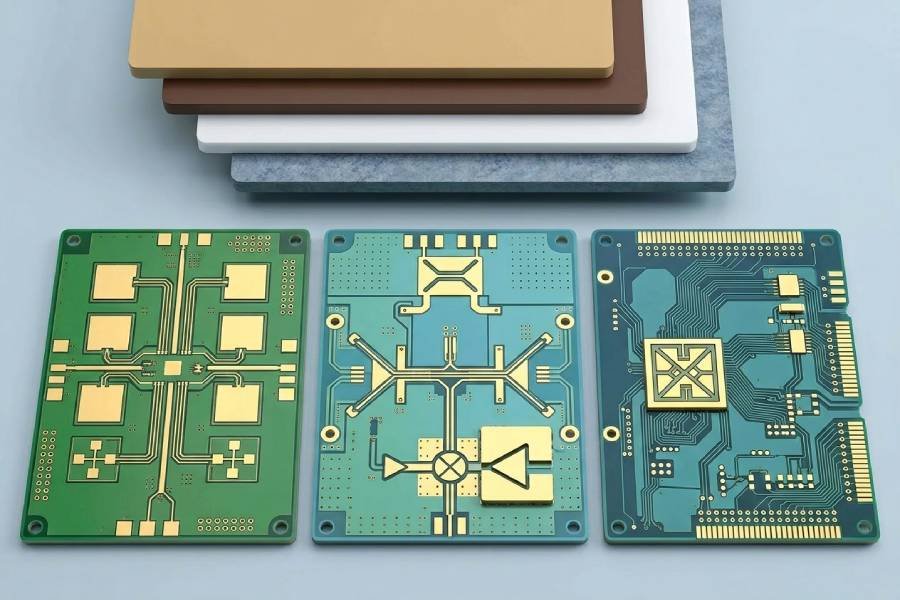
5G, radar, and satellite PCBs push into GHz and mmWave bands where material choice directly controls loss, phase stability, and reliability. This article explains key high frequency PCB material properties (Dk, Df, thermal and moisture behavior), then maps specific laminate families—FR‑4, Rogers, PTFE, ceramic composites, and LCP—to typical 5G bands, automotive radar, and satellite payload requirements.

High Frequency PCB Material Selection for 5G, Radar and Satellite Applications Read More »

Hybrid High Frequency PCBs: Combining Rogers and FR4 for RF and Digital Integration

Hybrid High Frequency PCBs: Combining Rogers and FR4 for RF and Digital Integration

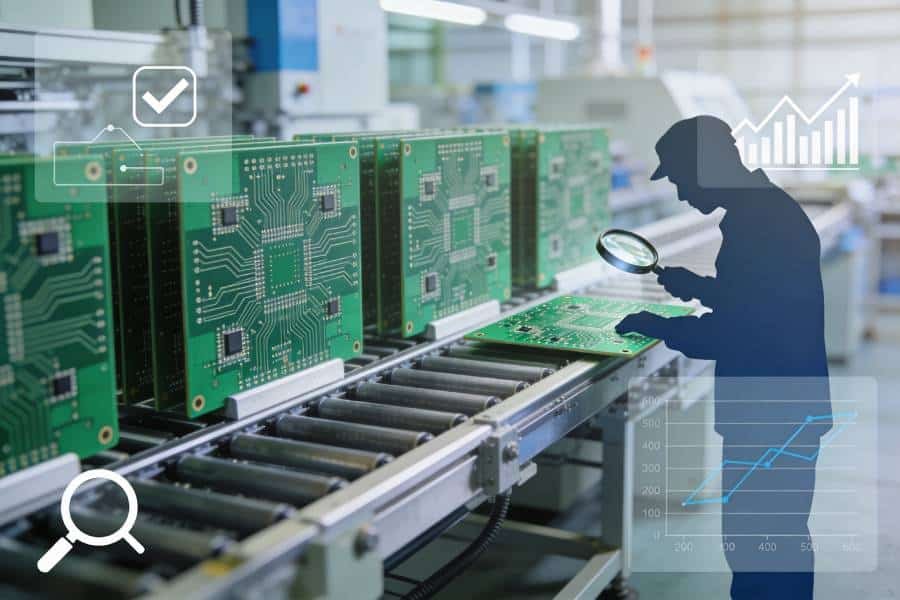
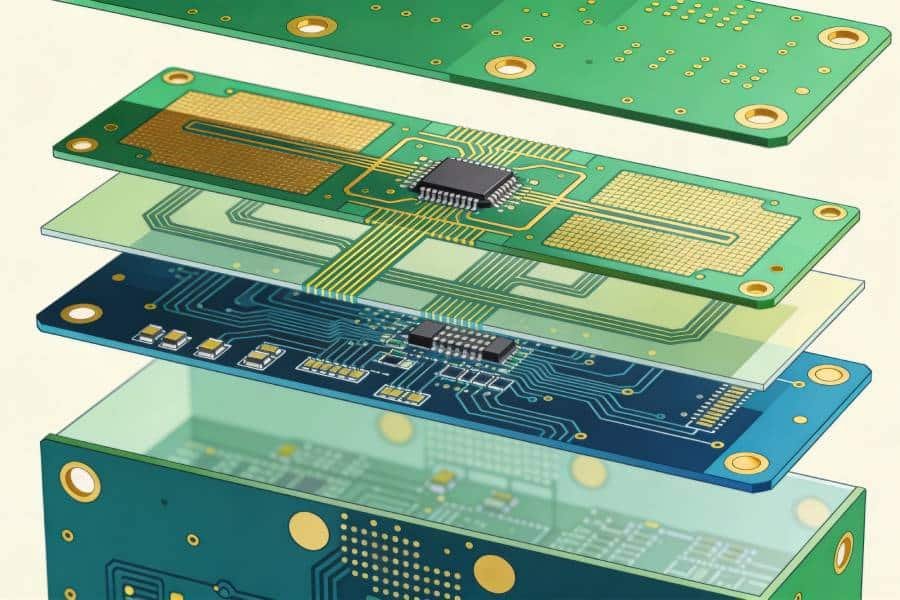
Hybrid high frequency PCBs use Rogers for critical RF layers and FR4 for digital, control, and power layers in a single stackup. This article explains why and when to choose a hybrid design, shows common Rogers+FR4 stackup patterns, and shares practical layout and manufacturing guidelines so your RF and digital sections work together without blowing up the budget.

Hybrid High Frequency PCBs: Combining Rogers and FR4 for RF and Digital Integration Read More »

High Frequency PCB Design Guidelines: Layout, Stackup and Impedance Control

High Frequency PCB Design Guidelines: Layout, Stackup and Impedance Control

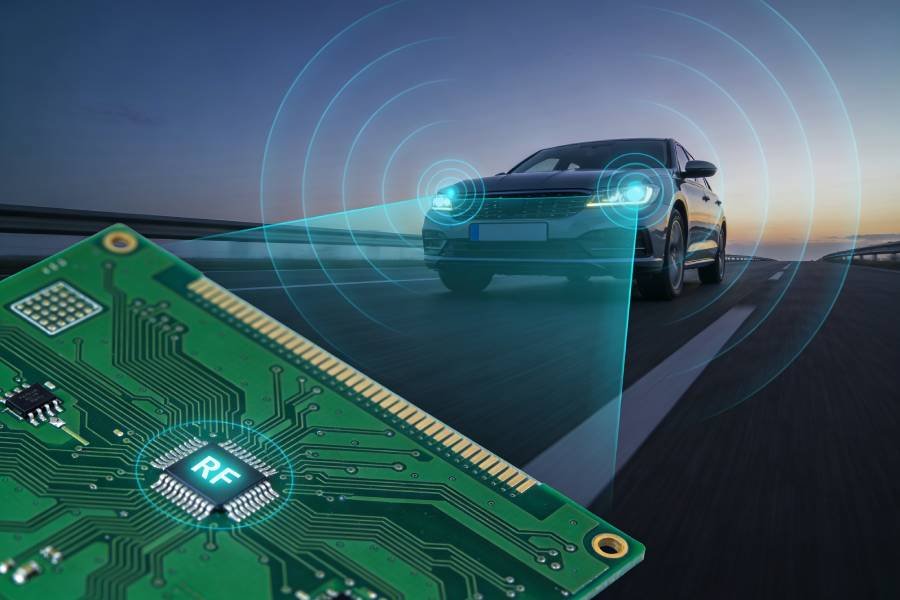
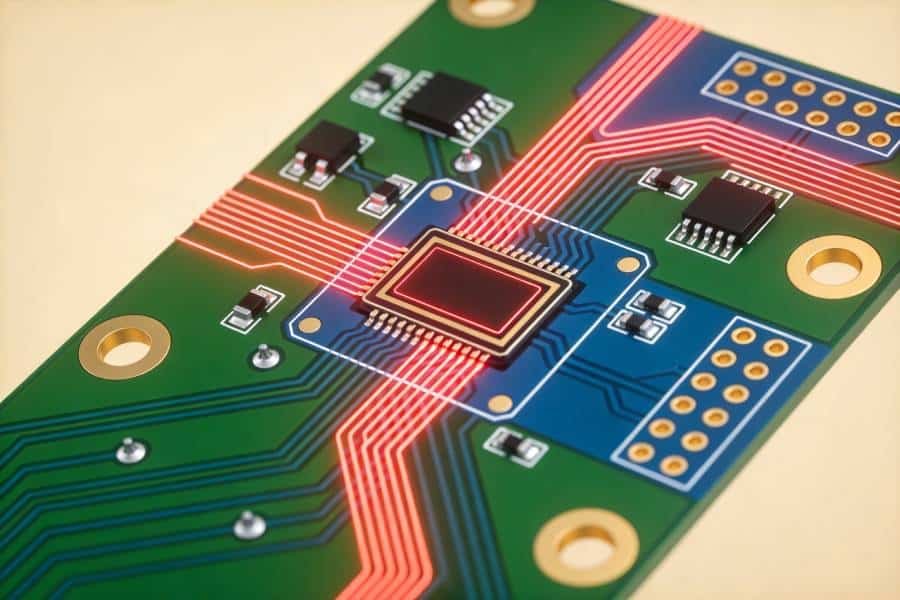
High frequency PCB design requires much stricter rules than low‑speed layouts. This guide explains practical high frequency PCB design guidelines for stackup planning, controlled impedance, routing, grounding and crosstalk control, so your RF and high‑speed boards can be manufactured reliably with stable signal integrity.

High Frequency PCB Design Guidelines: Layout, Stackup and Impedance Control Read More »

What Is High Frequency PCB? Definition, Materials & Applications

What Is High Frequency PCB? Definition, Materials & Applications

A high frequency PCB is a printed circuit board designed for RF and microwave signals, typically from hundreds of MHz to several GHz, using low-loss materials, controlled impedance routing and carefully engineered stackups to maintain signal integrity in demanding 5G, radar, satellite and high-speed digital applications.

What Is High Frequency PCB? Definition, Materials & Applications Read More »

Scroll to Top