
Table of Contents
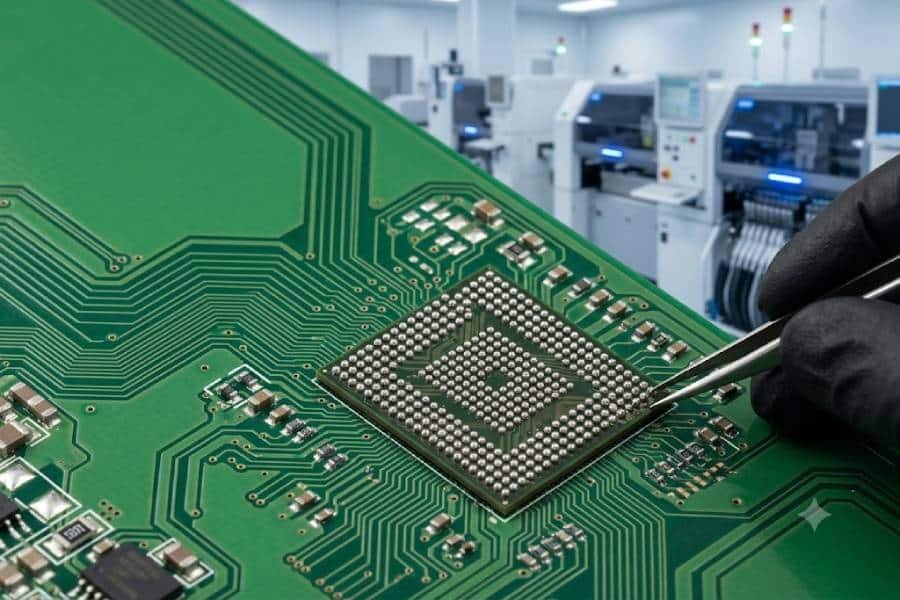
BGA rework and reballing are used to restore the function of Ball Grid Array components, but they are not the same process and are not needed in every repair case. The right choice depends on where the failure is happening, what condition the component is in, and whether the original solder balls can still support a reliable connection.
In many PCB assembly and repair situations, BGA rework is the better option when the problem is tied to solder joints on the board, while reballing becomes necessary when the solder balls on the component itself are damaged, missing, oxidized, or no longer fit for reuse. Understanding that distinction helps engineers and buyers avoid unnecessary rework, reduce risk, and choose a repair method that actually solves the root cause.
What Is BGA Rework?
BGA rework is the process of removing, repairing, or replacing a Ball Grid Array component on an assembled PCB so the board can function correctly again. It is a localized repair method used when the problem is tied to the BGA package or its solder joints, rather than the entire board assembly.
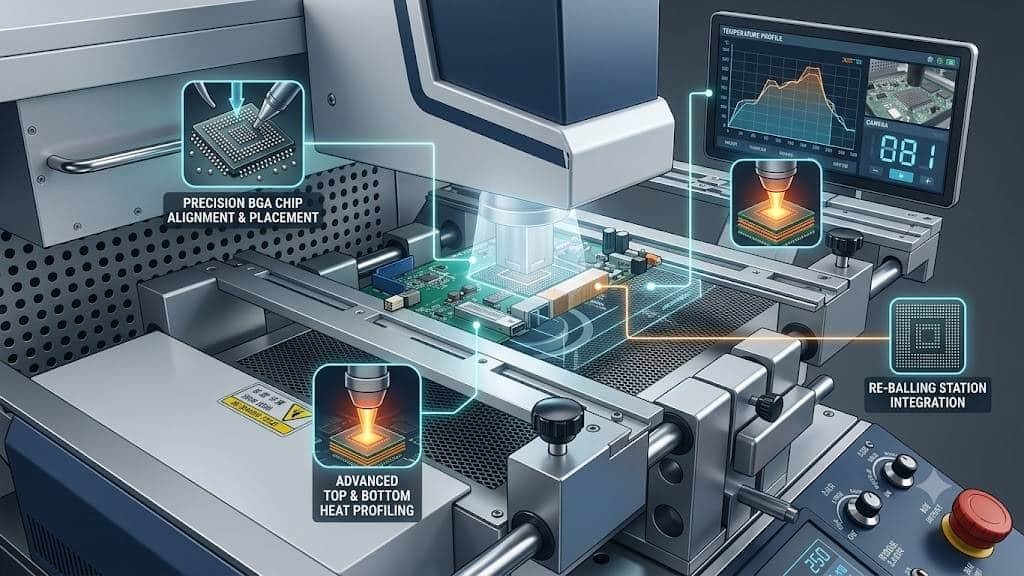
Because the solder connections are hidden underneath the package, BGA rework requires controlled heating, careful removal, pad cleaning, precise alignment, and reflow under a defined thermal profile. In practice, the goal is to restore reliable electrical and mechanical connection without damaging nearby components or the PCB itself.
In many cases, BGA rework is used when a device has poor solder joints, thermal-stress related failure, or assembly defects that can be corrected without discarding the whole board. It is different from mass production soldering because it focuses on a single suspect component and demands more precision and inspection after repair.
What Is BGA Reballing?
BGA reballing is the process of removing the old solder balls from a Ball Grid Array component and replacing them with new ones so the device can be reused or reinstalled reliably. It is typically used when the original solder balls are damaged, oxidized, contaminated, or no longer suitable for a dependable connection.
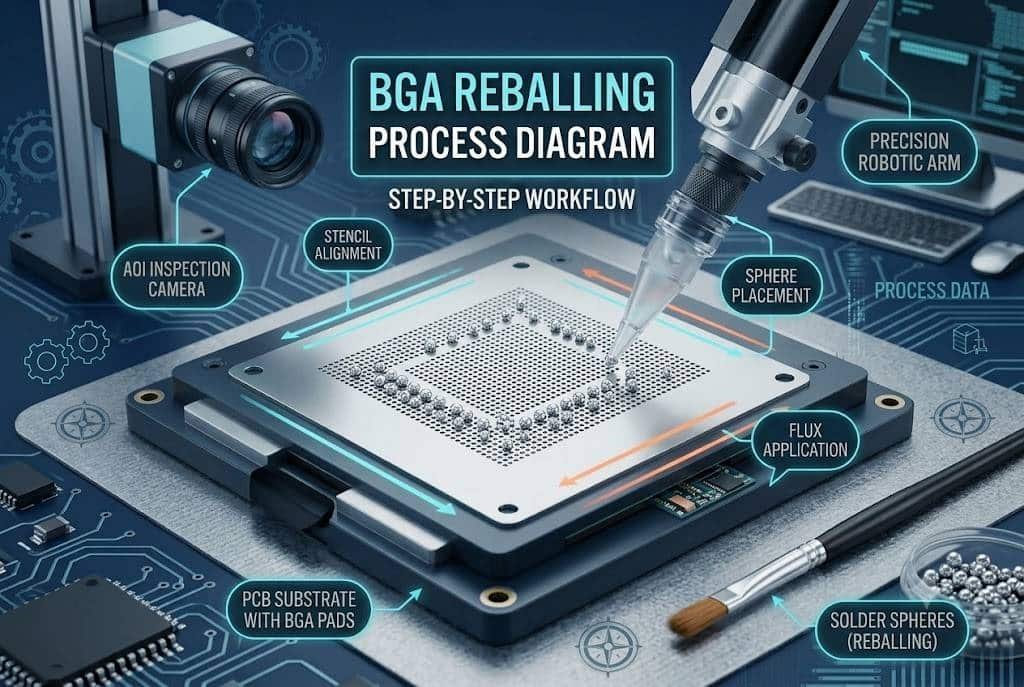
The process usually includes deballing, cleaning the BGA pads, applying flux, placing new solder balls with a stencil or similar fixture, and then reflowing the component under controlled heat. After that, the part is inspected to confirm the ball pattern is consistent and suitable for reinstallation.
In practical PCB repair work, reballing is often needed after a BGA has been removed from a board, or when the component itself needs to be restored before it can go back into service. Compared with general rework, reballing focuses specifically on rebuilding the solder interface on the underside of the component.
When Is BGA Rework Necessary?
BGA rework is necessary when the problem is on the PCB side of the connection and the component itself can still be salvaged. It is commonly used for solder joint failures, assembly defects, intermittent electrical issues, or board-level damage that affects only one BGA location.
Typical signs include random resets, boot failures, unstable communication, or faults that appear and disappear as the board heats up and cools down. These symptoms often point to cracked, open, or otherwise unreliable solder joints under the package, which is why targeted rework is often the most practical repair path.
Rework is also appropriate when inspection or test results show defects such as bridging, opens, excessive voiding, or poor wetting after assembly. In these cases, the goal is to remove the defective component, clean and prepare the pads, and reinstall the part with a controlled thermal profile so the board can return to service reliably.
If the PCB pads are damaged, the BGA is physically intact, or the failure is clearly tied to soldering quality rather than chip damage, rework is usually preferred over full replacement. A well-executed rework can restore function without unnecessary scrap or major redesign.
When Is Reballing Necessary?
Reballing is necessary when the problem is in the solder balls on the BGA component itself, not just in the board-level solder joints. It is commonly used after component removal, when the ball array is damaged, or when the original balls are oxidized, missing, contaminated, or otherwise no longer reliable.
A typical sign that reballing is needed is visible or inspected ball damage, such as deformed, dull, or shifted solder balls, as well as failures caused by overheating or repeated handling. Reballing is also used when a high-value or scarce component needs to be salvaged instead of replaced outright.
This process is especially important when a removed BGA must be reused, retested, or reinstalled with a fresh solder interface. In those cases, reballing restores the component’s ability to make a uniform, dependable connection during the next assembly cycle.
For prototype work and high-reliability applications, reballing can also be the preferred choice when board pads are intact but the component finish no longer meets the required standard. That makes it a practical option when the goal is to preserve the part and reduce unnecessary scrap.
How to Choose Between Rework and Reballing
The simplest way to choose is to locate the failure: if the issue is on the PCB side, choose rework; if the issue is on the component’s solder balls, choose reballing. Rework is usually the first choice for board-level solder joint problems, while reballing is the better fit when the BGA package itself needs a fresh solder interface.
Use rework when the BGA is still structurally sound, the board pads are intact, and the failure can likely be fixed by removing and reinstalling the component with a proper thermal profile. Use reballing when the ball array is damaged, oxidized, missing, or no longer trustworthy after removal or repeated handling.
If the device is high-value, obsolete, or difficult to replace, reballing is often worth the extra effort because it preserves the component while restoring connectivity. If the component is inexpensive or shows deeper damage such as warpage or internal failure, replacement may be more practical than either repair method.
A good decision process is to inspect the defect location, confirm whether the solder problem belongs to the board or the component, and verify the part condition before starting repair. That approach reduces unnecessary work and helps avoid choosing reballing when a simpler rework job would solve the problem, or choosing rework when the ball array clearly needs to be rebuilt.
Common Signs a BGA Needs Attention
A BGA usually needs attention when the board starts showing intermittent electrical behavior, visible assembly defects, or heat-related instability that points to hidden solder-joint problems. Because the solder connections sit underneath the package, many of these issues are not obvious without X-ray inspection or careful test data.
Common symptoms include random resets, boot failures, freezing, communication dropouts, and other faults that come and go as the board warms up or cools down. These patterns often suggest opens, weak joints, head-in-pillow defects, or other hidden connection problems under the device.
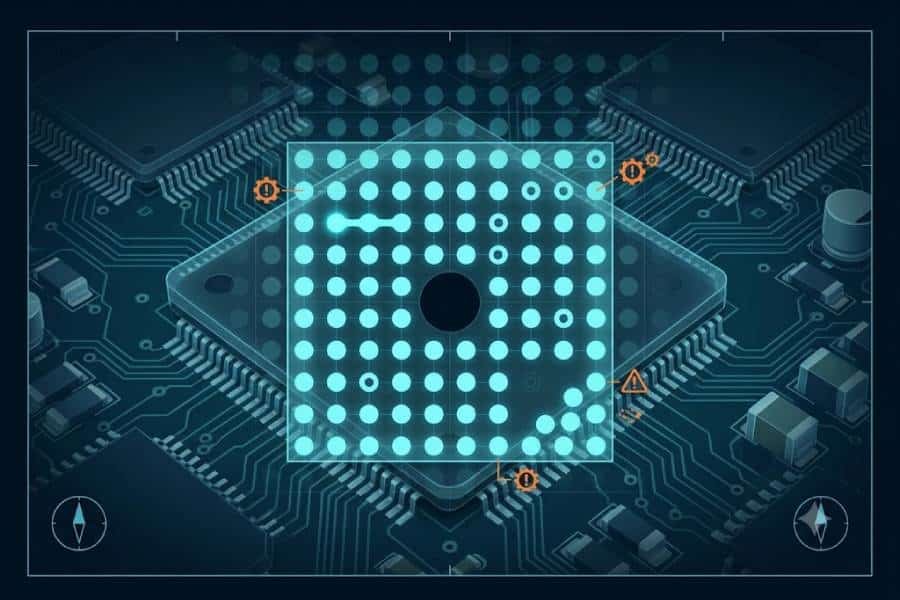
Inspection can also reveal physical or process defects such as missing balls, displaced balls, solder bridging, voiding, and misalignment. These defects are often visible through X-ray analysis even when the outer surface looks normal.
Another warning sign is unusual thermal behavior, such as excessive heat buildup around the BGA area or performance that changes under pressure or temperature. In high-reliability work, that kind of behavior is a strong indicator that the package needs rework, reballing, or further failure analysis before it can be trusted in service.
Risks and Best Practices
BGA rework and reballing carry real process risks, especially thermal damage, pad lifting, warpage, misalignment, and hidden solder defects that can survive visual inspection. If the heat profile is too aggressive or the handling is too rough, the repair can create new failures instead of fixing the original one.
The most important best practice is controlled thermal profiling with proper preheating, because sudden temperature changes can stress the PCB, adjacent parts, and the BGA package itself. Good process control also means using the right flux, matching the nozzle and fixture to the component, and verifying temperatures rather than relying on guesswork.
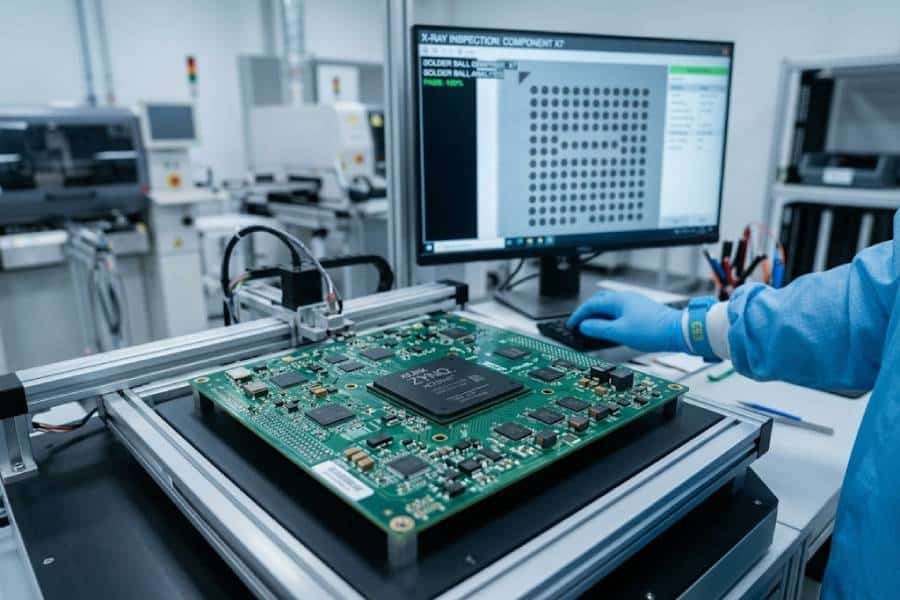
Alignment and inspection are equally important. A properly placed component should be checked after reflow, and X-ray inspection is commonly used to confirm that the hidden solder joints are free of bridges, opens, voiding, or other defects.
Moisture control and operator discipline matter as well, especially for high-reliability assemblies. Pre-baking moisture-sensitive parts, training technicians, and documenting each repair cycle help reduce latent failures and improve repeatability across jobs.
Conclusion
BGA rework and reballing are both specialized repair methods, but the right choice depends on where the failure starts and what condition the component is in. Rework is generally best for board-side solder joint problems, while reballing is necessary when the BGA’s solder balls themselves need to be rebuilt or replaced.
The main takeaway is simple: diagnose first, then repair. Careful inspection, controlled thermal profiling, and post-repair verification help prevent collateral damage and improve the chance of a reliable fix.
When a BGA begins showing intermittent faults, hidden solder defects, or physical ball damage, early action can save the board, reduce scrap, and avoid unnecessary replacement. In high-reliability PCB assembly, choosing the correct repair path is often the difference between a temporary fix and a long-term solution.